Looki and the wild animals
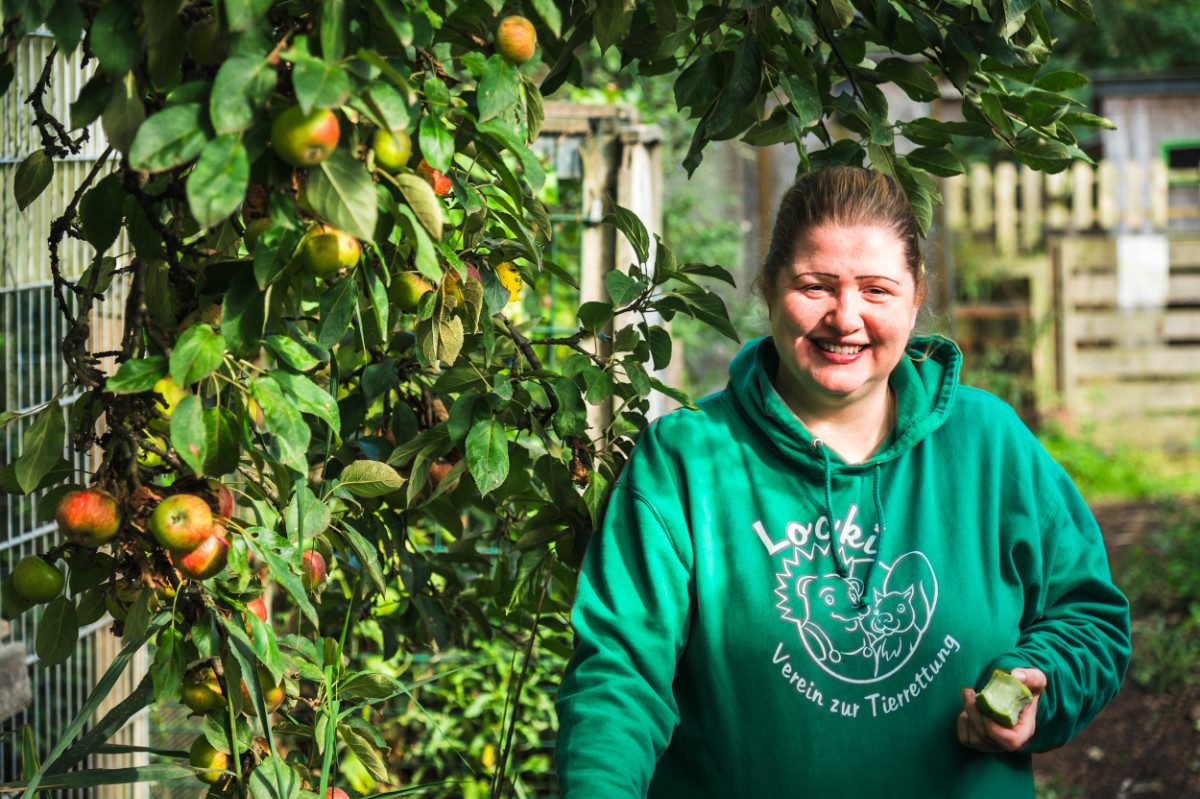
At its wildlife rehabilitation center in Hamburg’s Bergedorf district, the animal rescue organization Looki e.V. cares for wild animals in need and provides a sanctuary for sick farm animals. “We pick up the pieces when society has messed things up,” says Vanessa Haloui, the organization’s chair.
Text and photos: Michael Orth
There is a rustling sound. Shreds of paper tremble in the opening of a small cardboard box. Then a pointed black nose pokes out and sniffs the air. Something smells good out there: food.
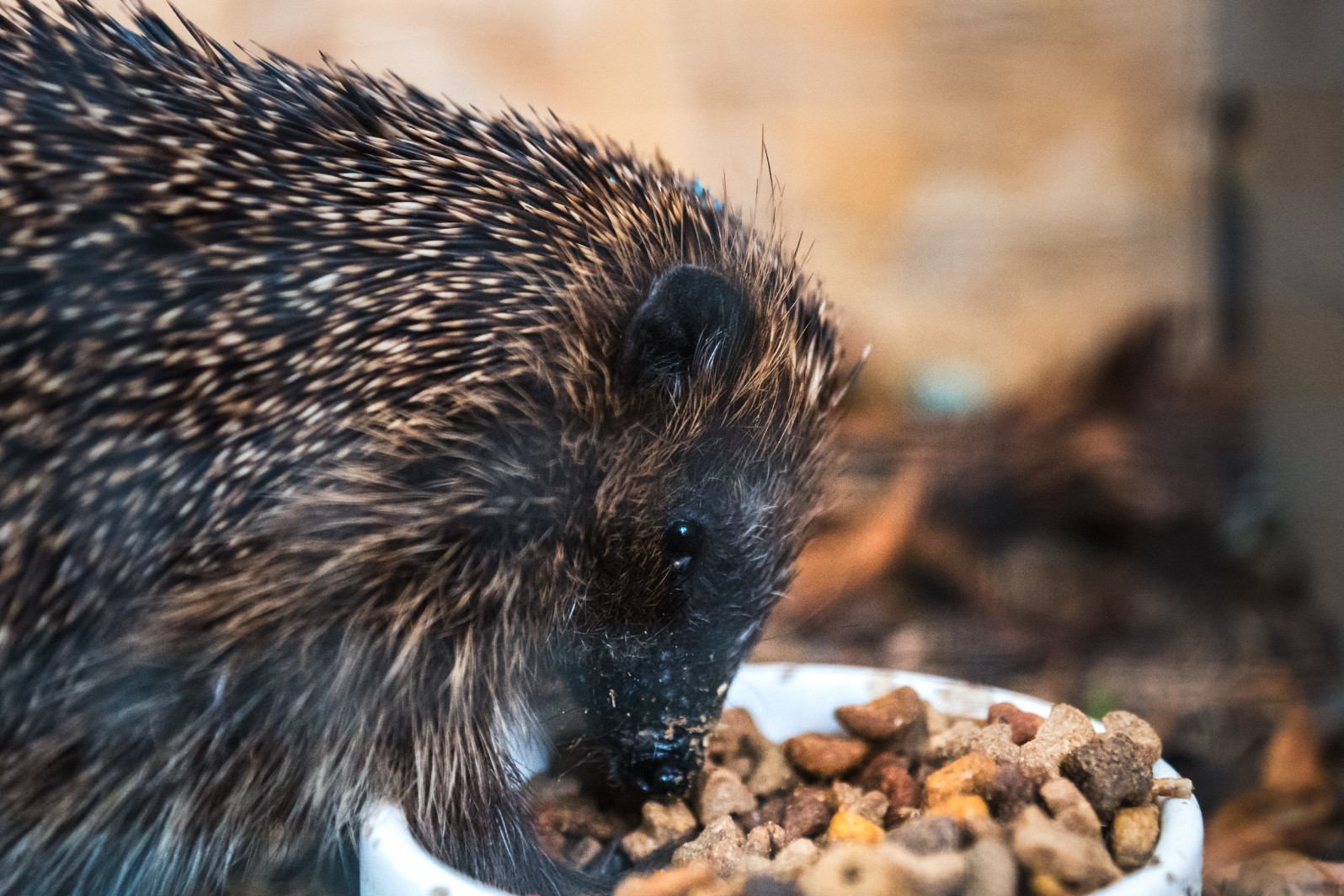
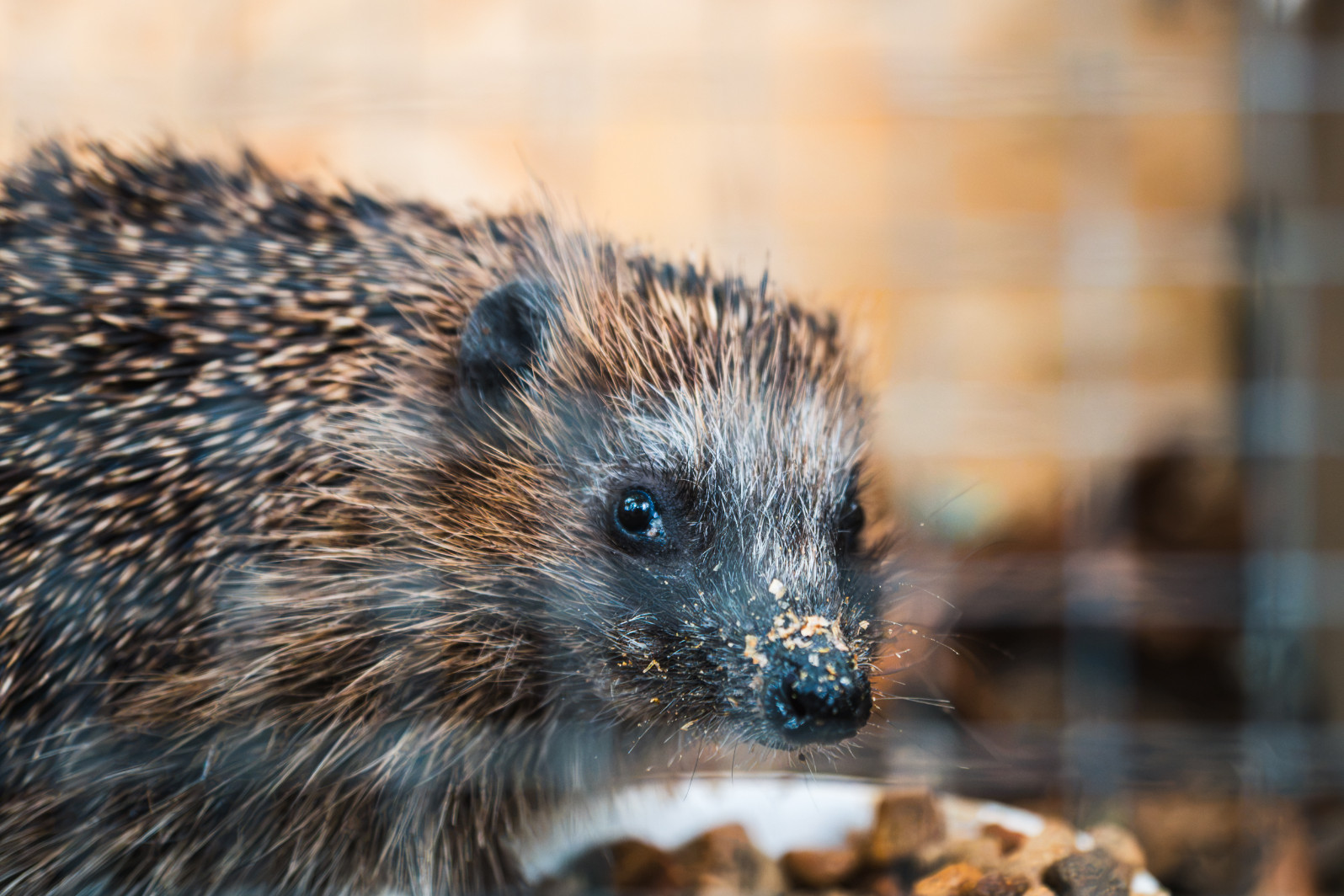
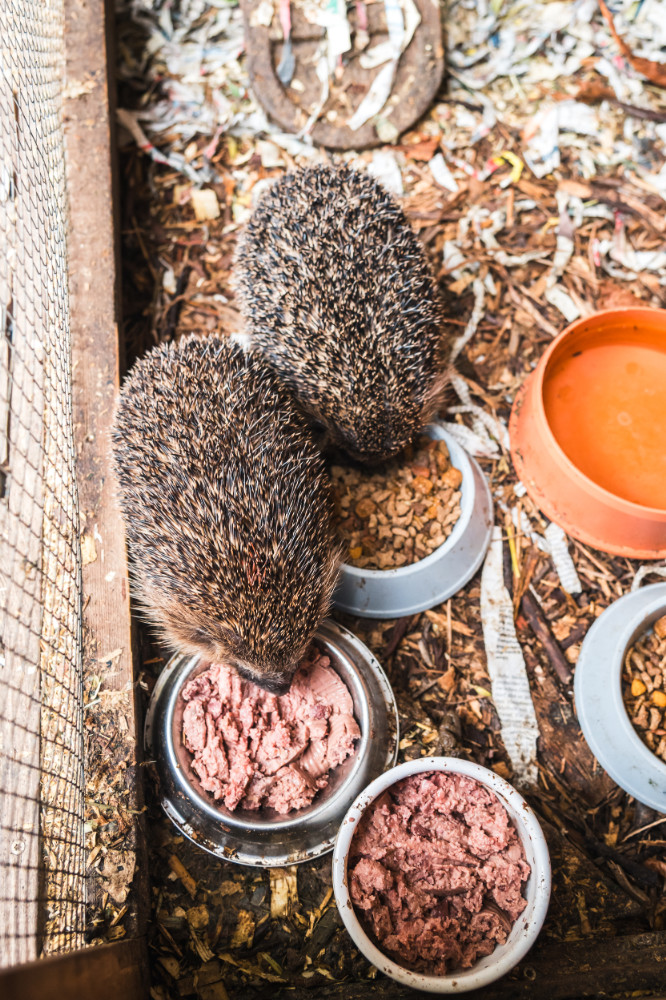
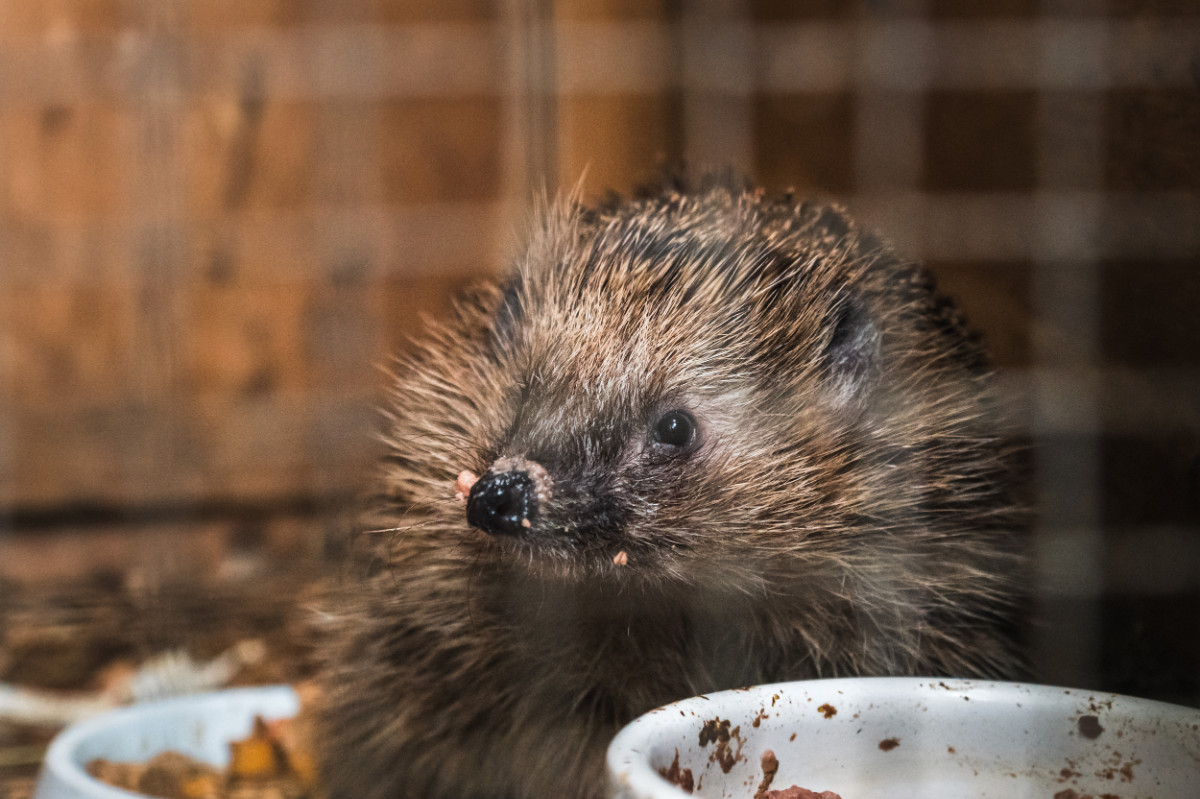
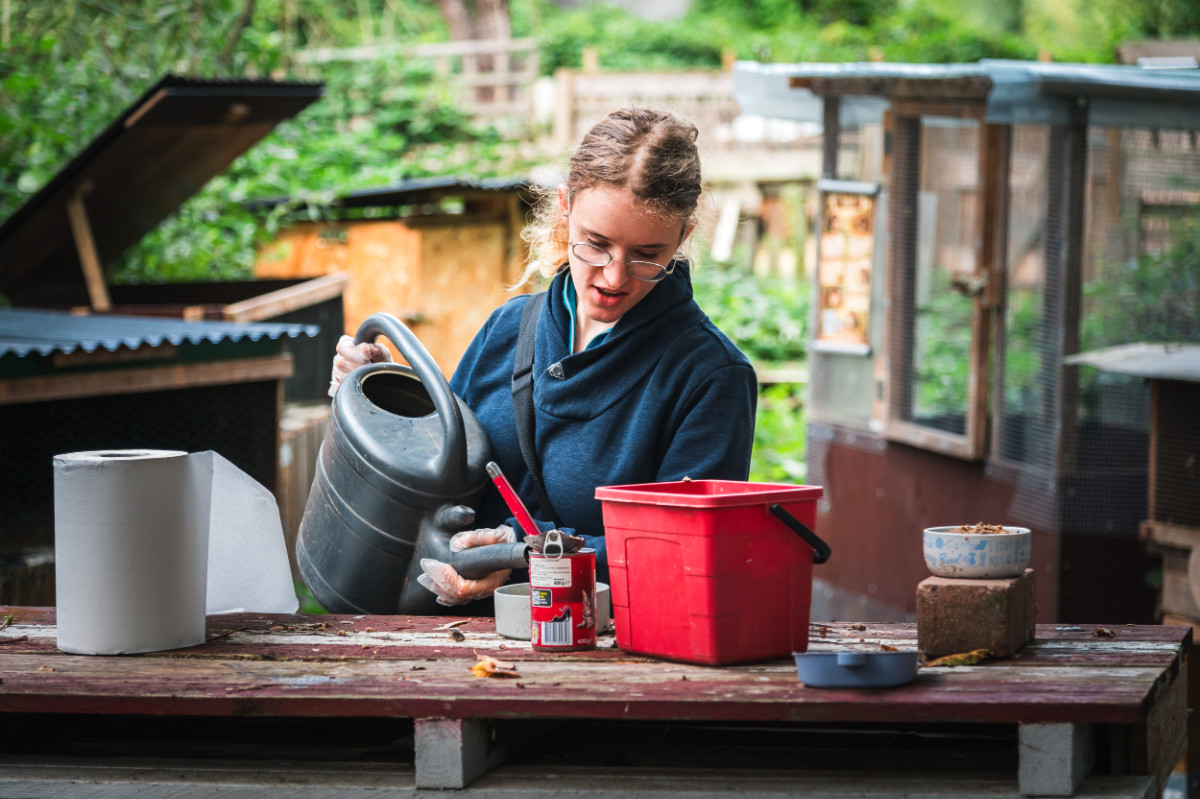
Nele and Robert have just set it down in the opposite corner of the enclosure. That is worth moving for. So the little hedgehog burrows out of the newspaper in his cardboard box home and carries his pudgy, prickly body over to the little bowls on crooked legs. He hoists himself over the rim and digs in, staying on guard. Eat, look around, pause, keep eating. Look up again, food on his wet nose, his dark, round eyes opened wide.
Every Animal Has a Name
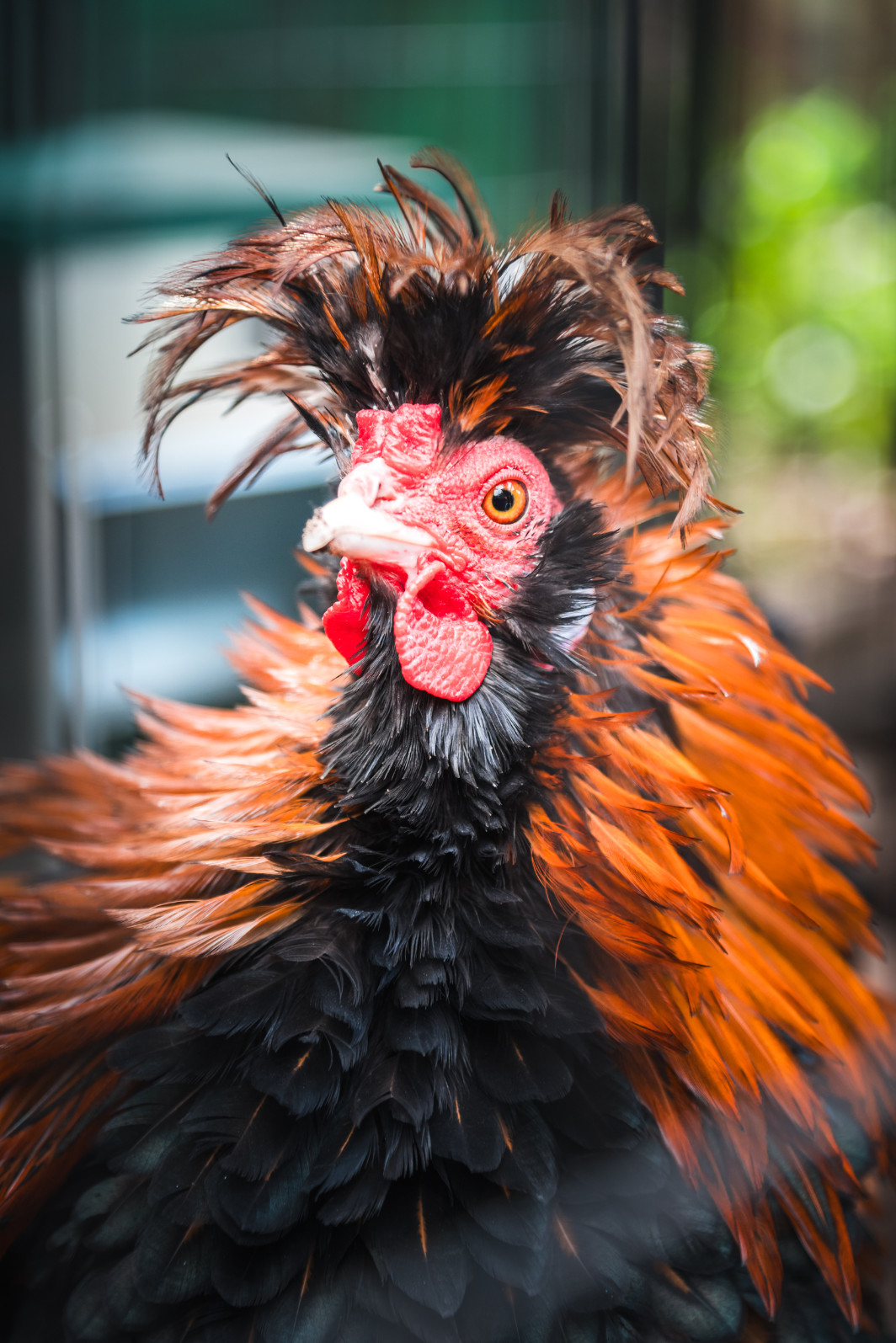
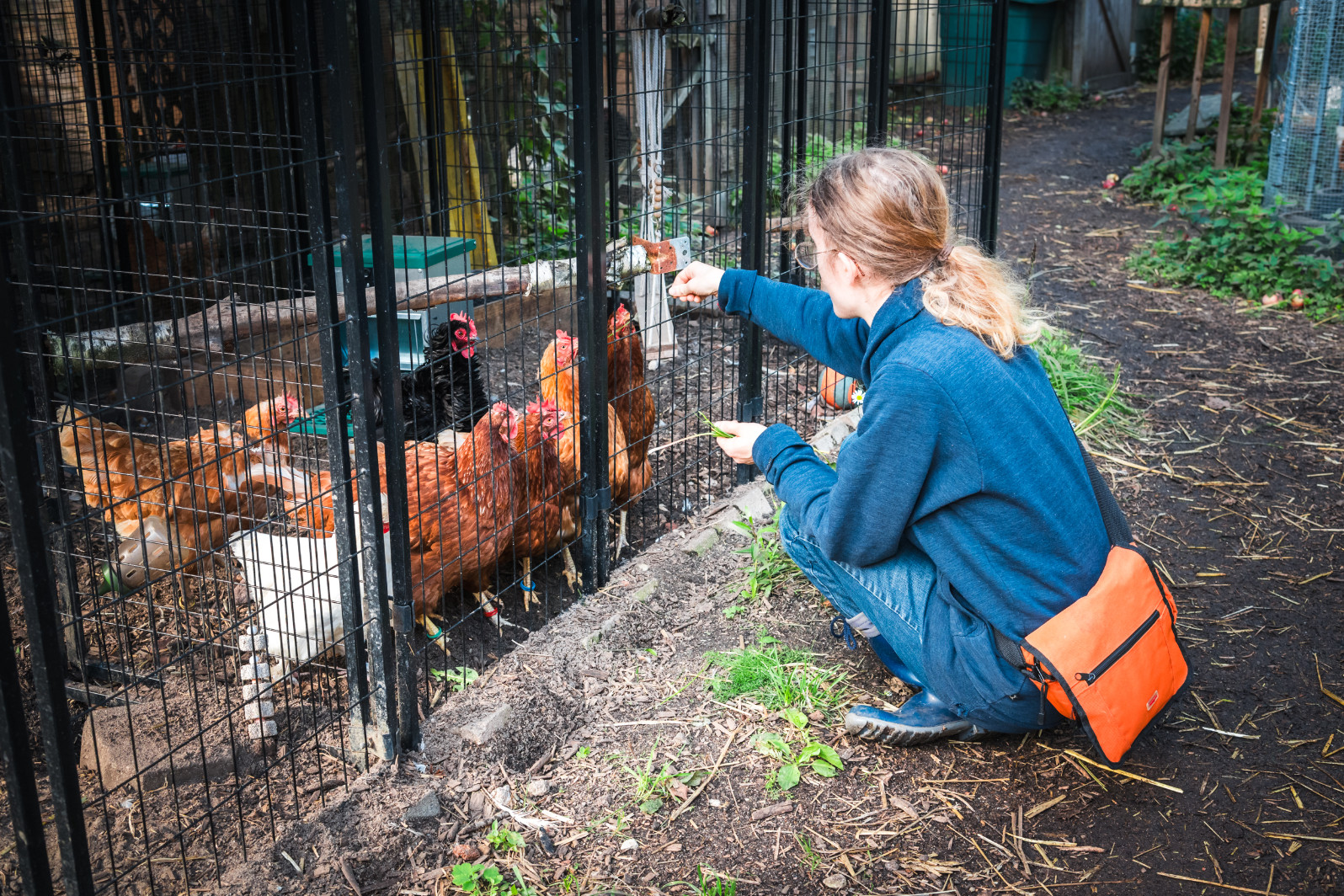
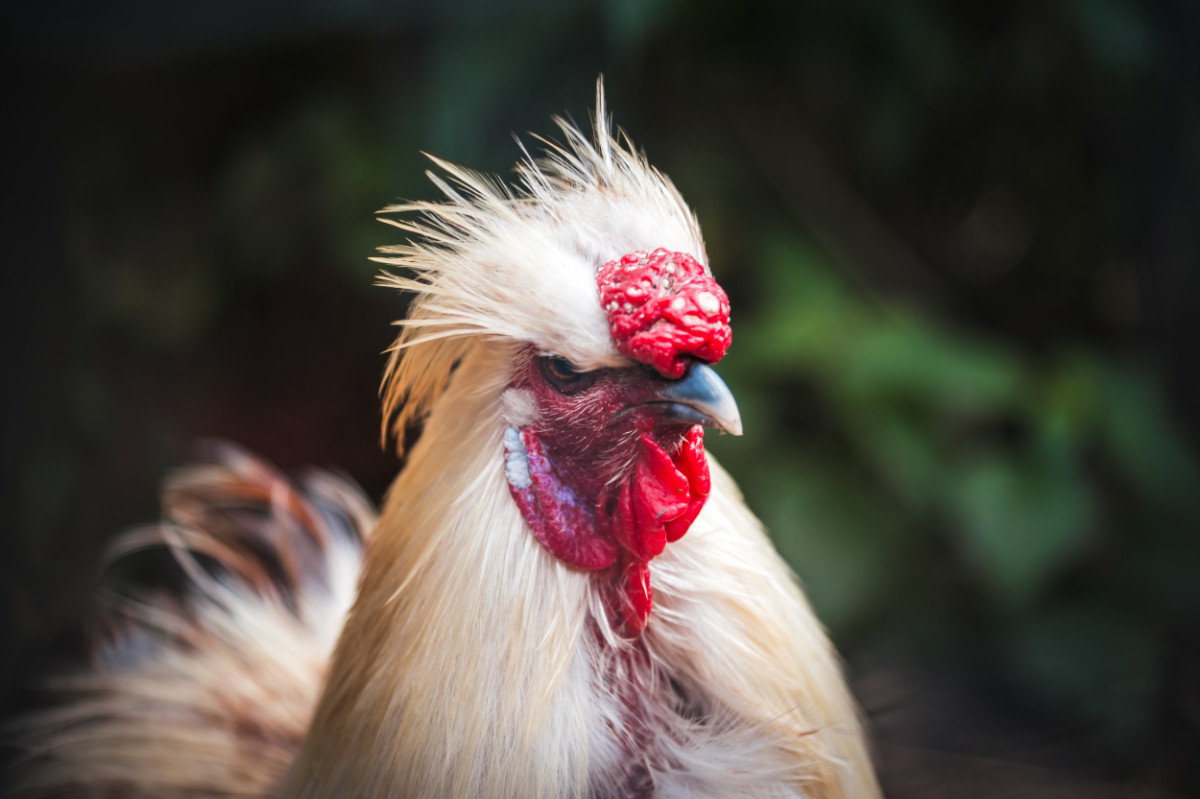
One of the roosters crows from across the yard. “That’s Stormy,” says Vanessa Haloui, the chair of Looki e.V. “He got his name because he hatched on a stormy night from an egg someone brought us. His sister arrived the next morning, when the sun was out again. So her name is Sunny. Every animal here has a name. Every single one.” Stormy has a lot of red around his beak and a wild feathered hairdo. As he struts back and forth, he stretches his neck and tilts his head, carefully watching everything that’s going on outside his coop.
A Wild Space for Wildlife
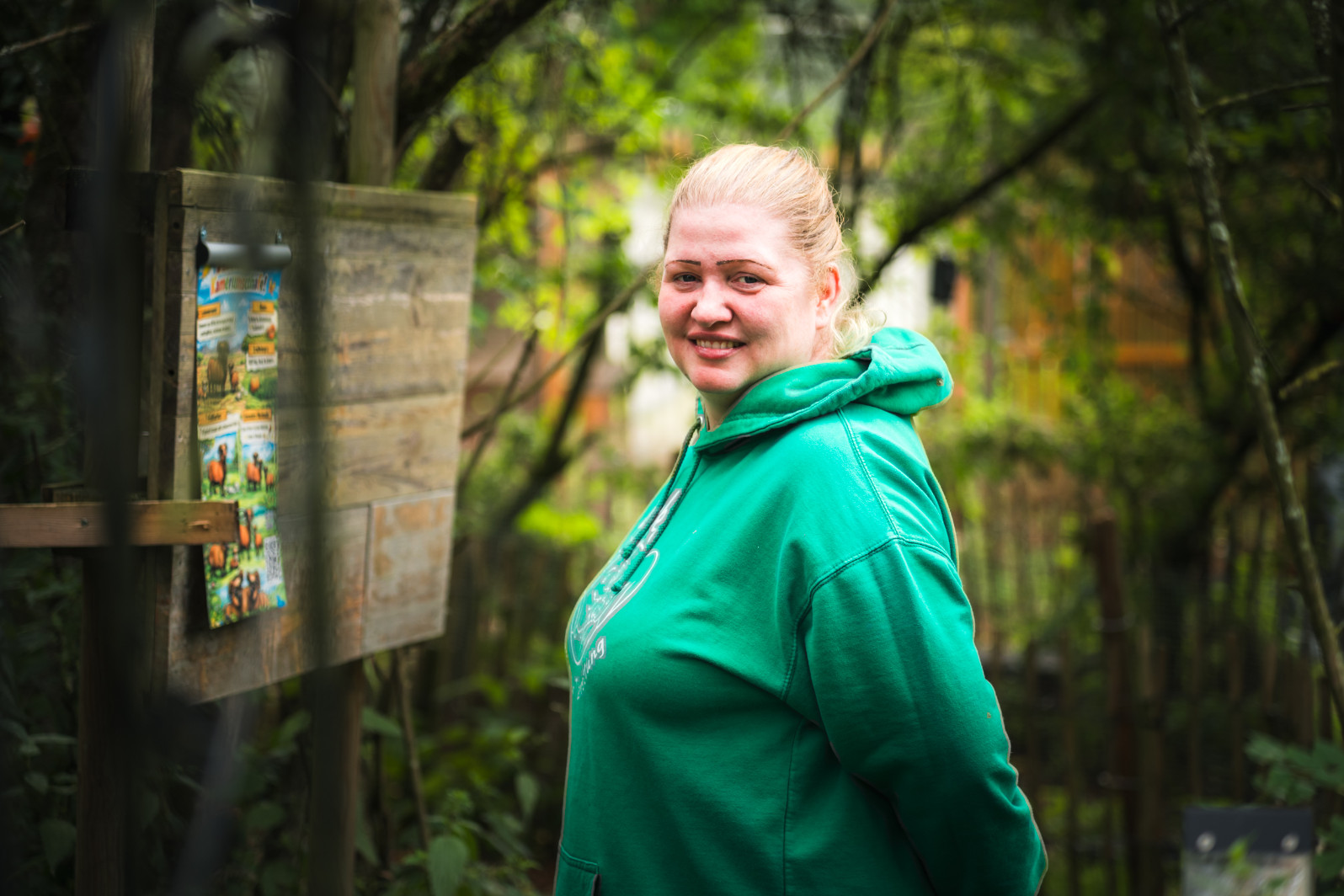
He sees Vanessa, sitting on a table, one leg tucked up, gesturing as she tells the story of how the wildlife center and animal sanctuary in Hamburg Bergedorf began. Looki e.V. was founded as an animal rescue in 2010, and “we broke ground here in 2016, after spending three years looking for a suitable piece of land.” They found it on the grounds of an old orchard, directly behind an Autobahn noise barrier.
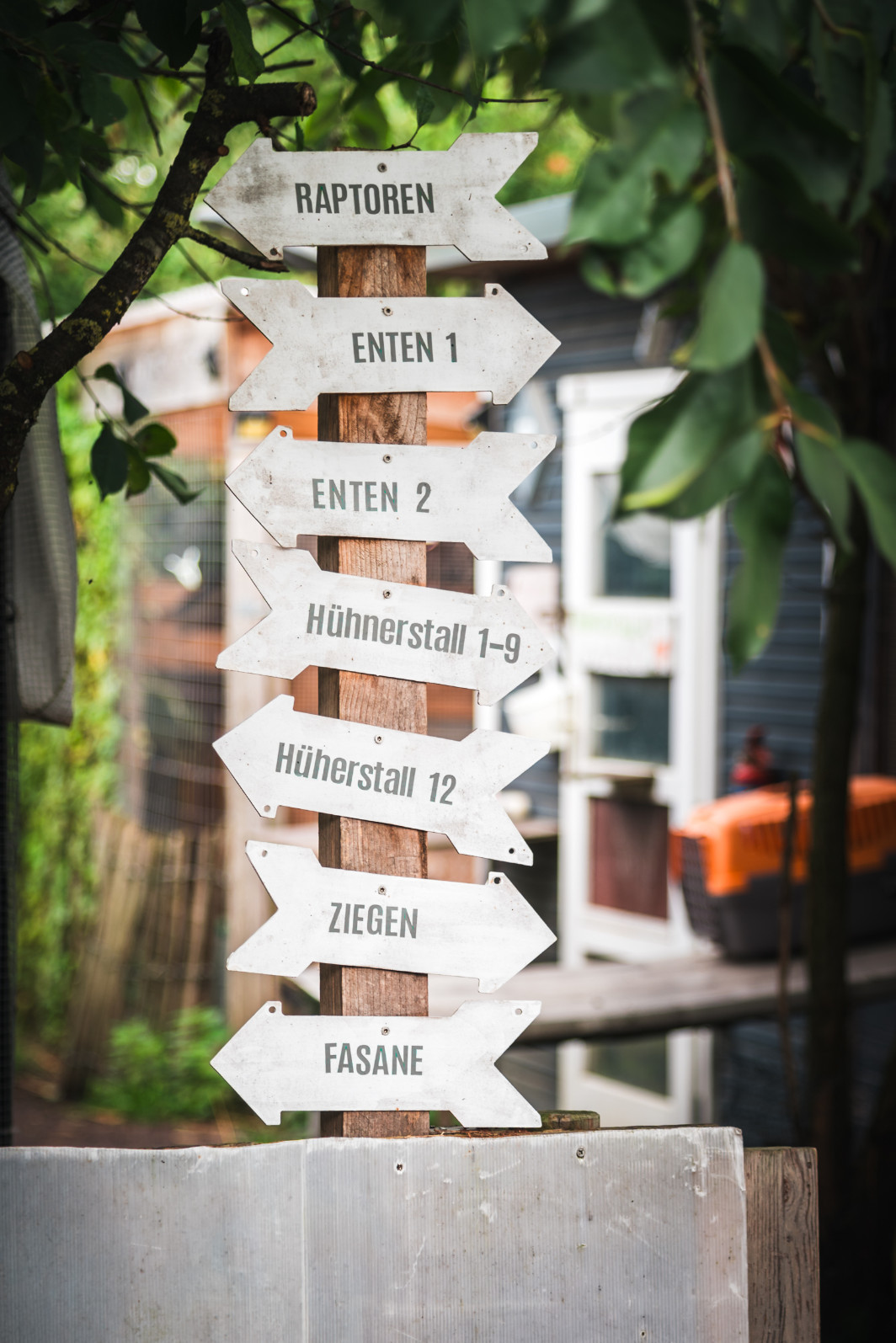
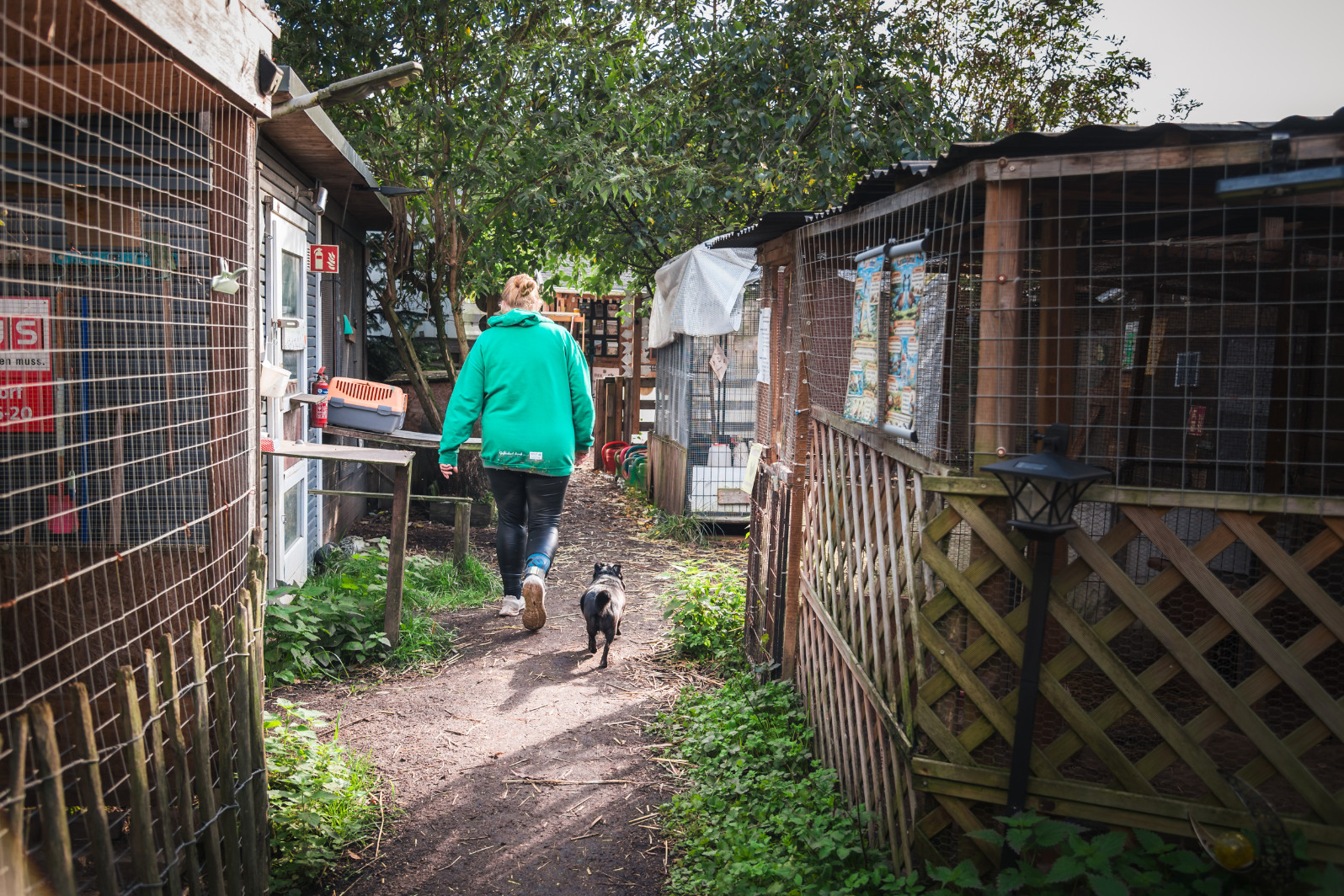
Vanessa and the organization’s volunteers built everything themselves: cages, enclosures, outdoor runs, shelters, tunnels, pools, and storage rooms. “Some people donated their old garden sheds. A home improvement store once gave us a shed a customer had returned. Shipping containers were converted into medical wards. Others brought boards, wire, and fencing, and that’s how all of this came together.” Among all the trees and shrubs, where spiders are allowed to spin their webs, they created a wild space for wildlife and sick or elderly farm animals that wouldn’t be able to survive anywhere else.
“There’s a hierarchy: pets, farm animals, wildlife. And wild animals are at the very bottom. The city simply can’t or won’t accommodate them. There are plenty of options for pets. But when it comes to farm animals and wildlife, especially invasive species like nutria or raccoons, there is just nothing for them here in Hamburg.” Except Looki’s wildlife center, where nearly 60 volunteers, organized into several groups, join Vanessa in caring for dozens of animals every day of the week.
Lady and the Tramp, Stocki, Screamy, and One Super Rad Animal Rescue Family
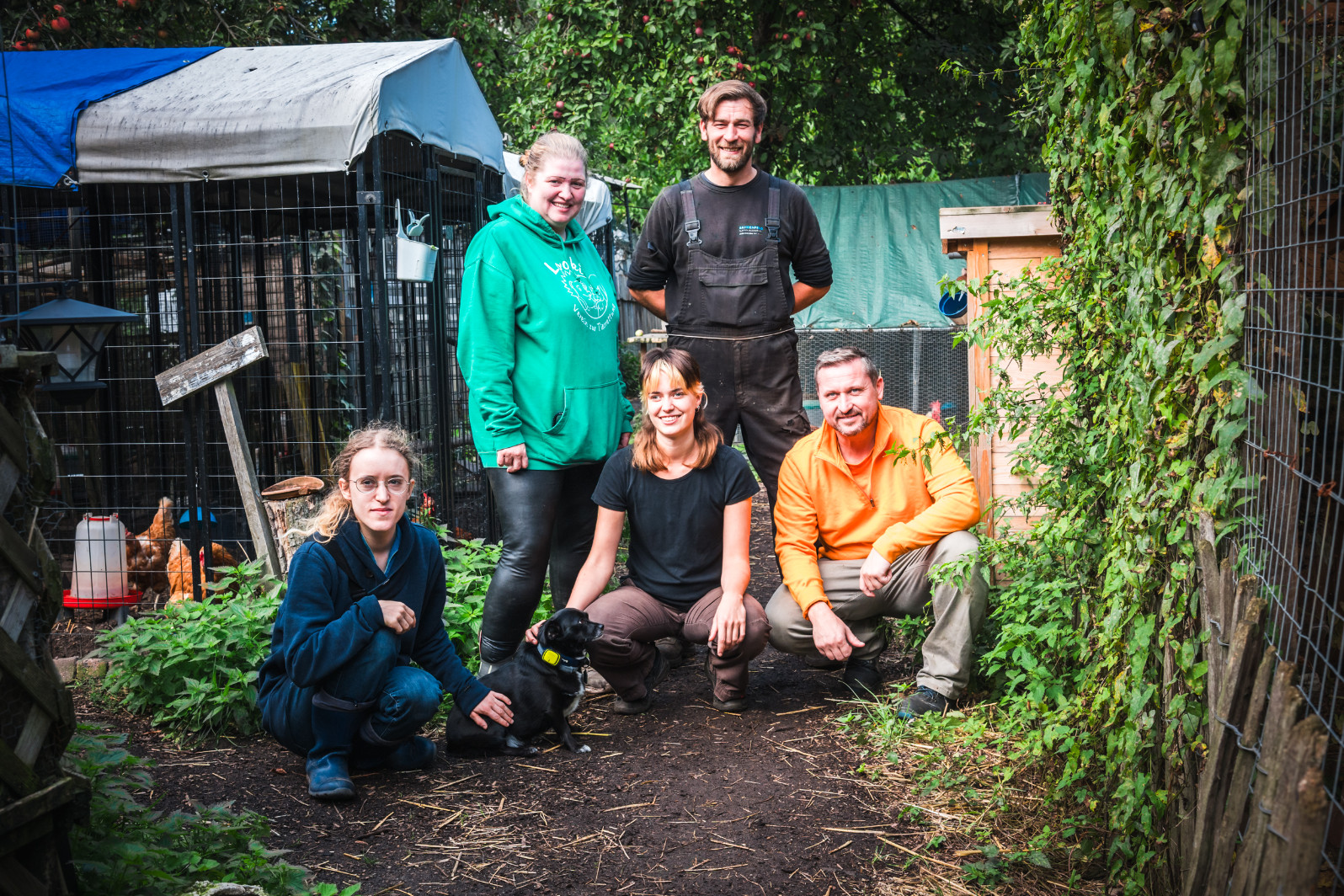
“I have a super rad animal rescue family here,” says Vanessa. “Many people on our team have been here for nine or ten years and, like Annette, helped build the place from the ground up. Anne has been here for ages and knows every animal inside out (musste hier raten was FF heißt, stimmt das so?). She’s so loving with the chickens, and Mareike is so sweet with the wood pigeons. Then there is Conni and her raccoons: she buys salmon and mussels and cooks them for them.
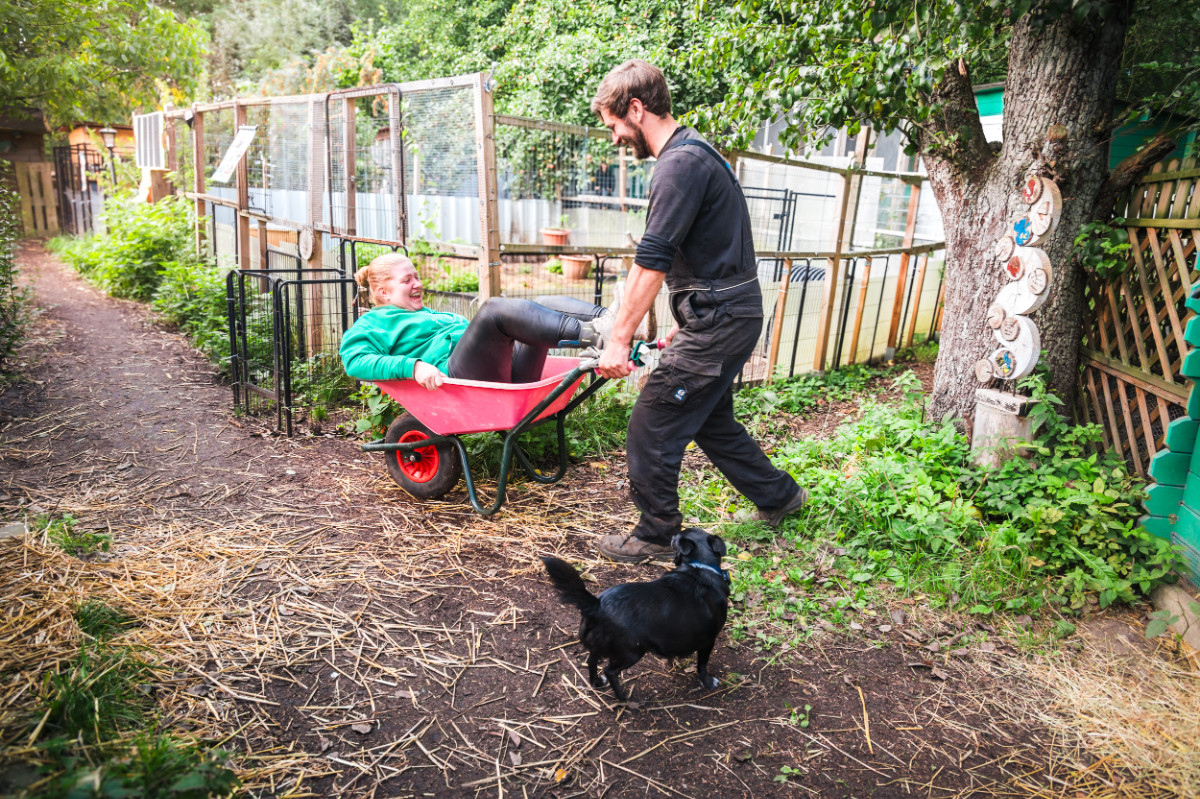
Martin is our sheep whisperer. He could spend hours brushing the sheep and talking to them. You can choose what you want to do here. Either you do everything, or you say, ‘I’m into chickens,’ and then you take care of the chickens. Or you build things and garden, like our Basti Fantasti or our man of all trades, Heiko.”
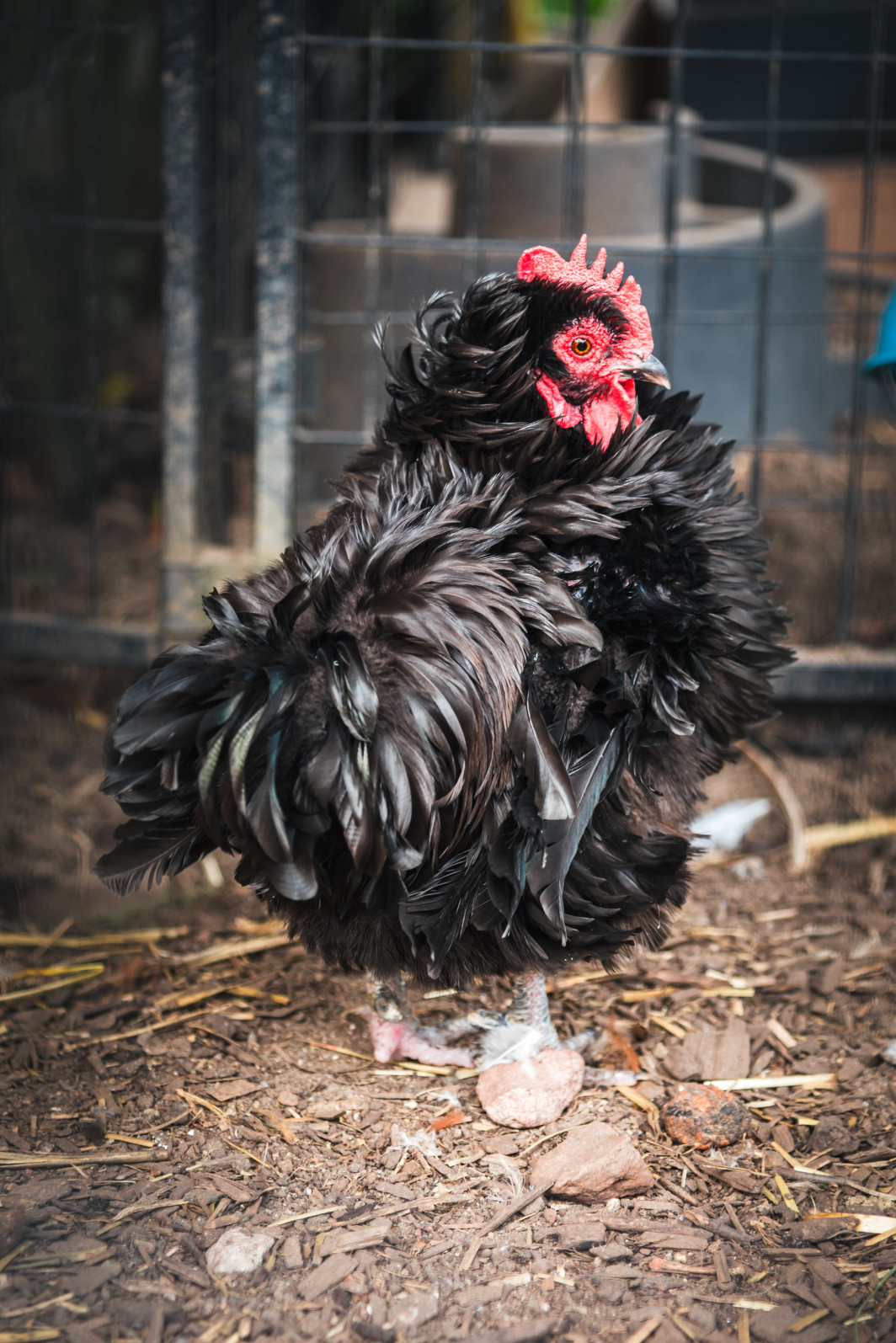
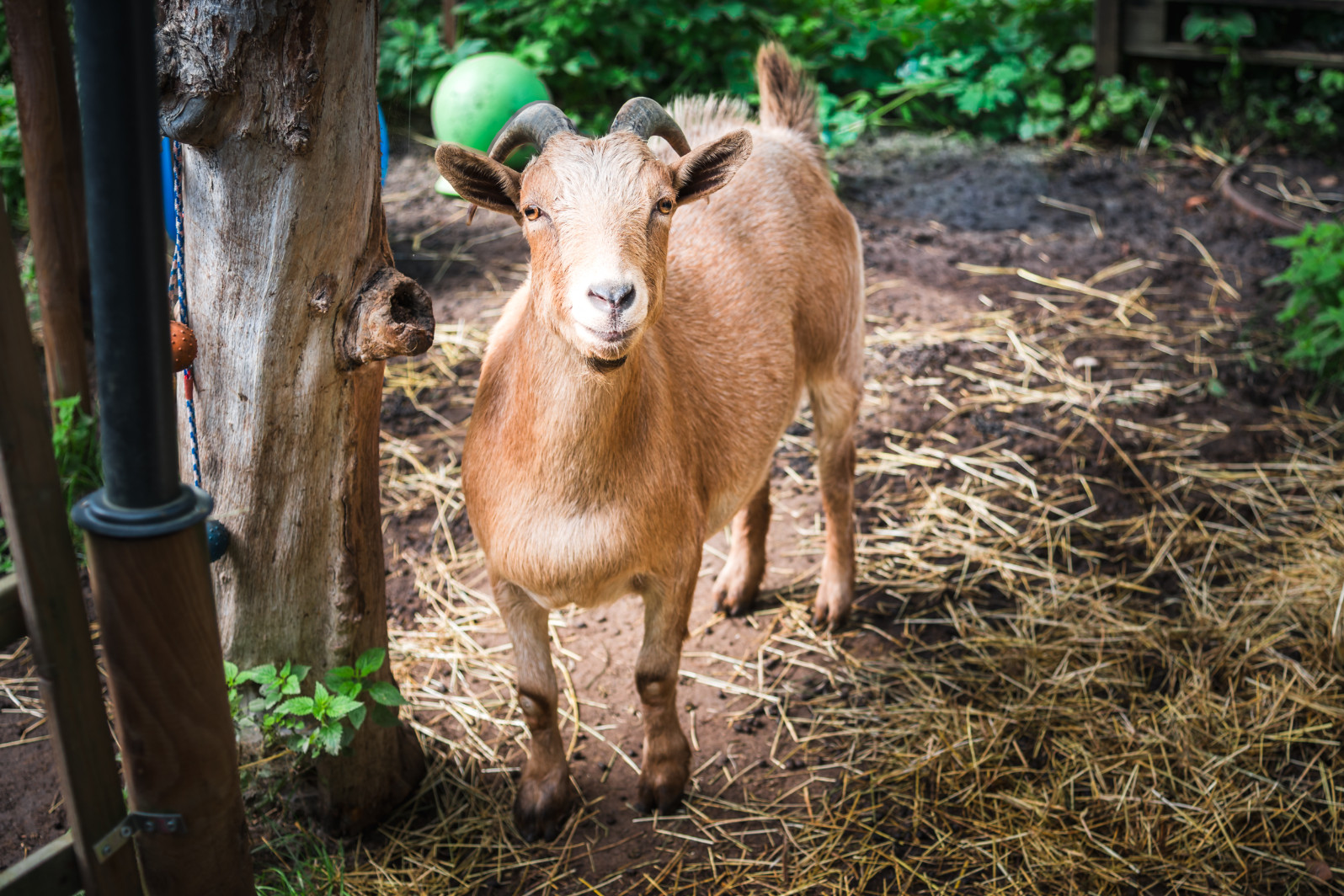
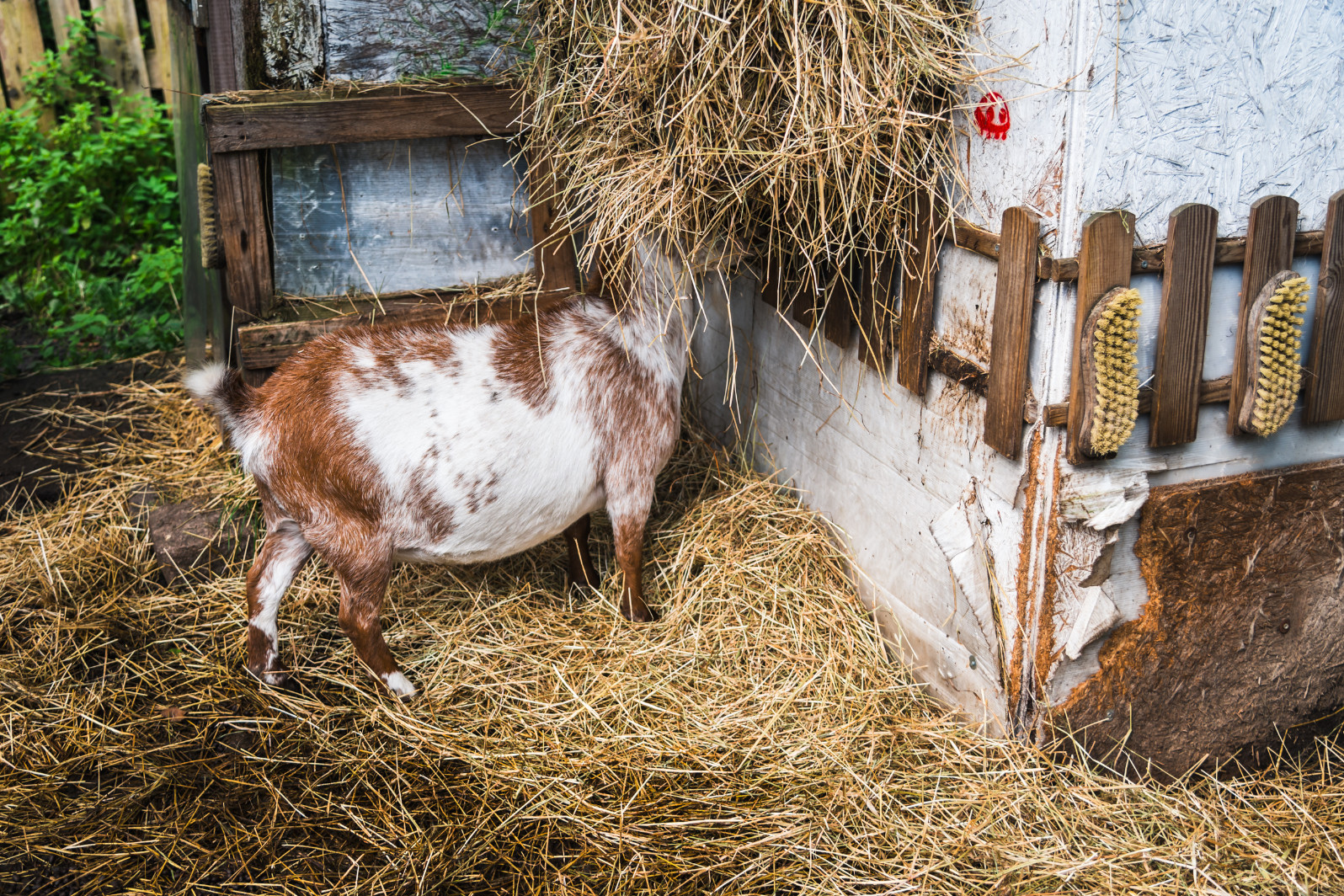
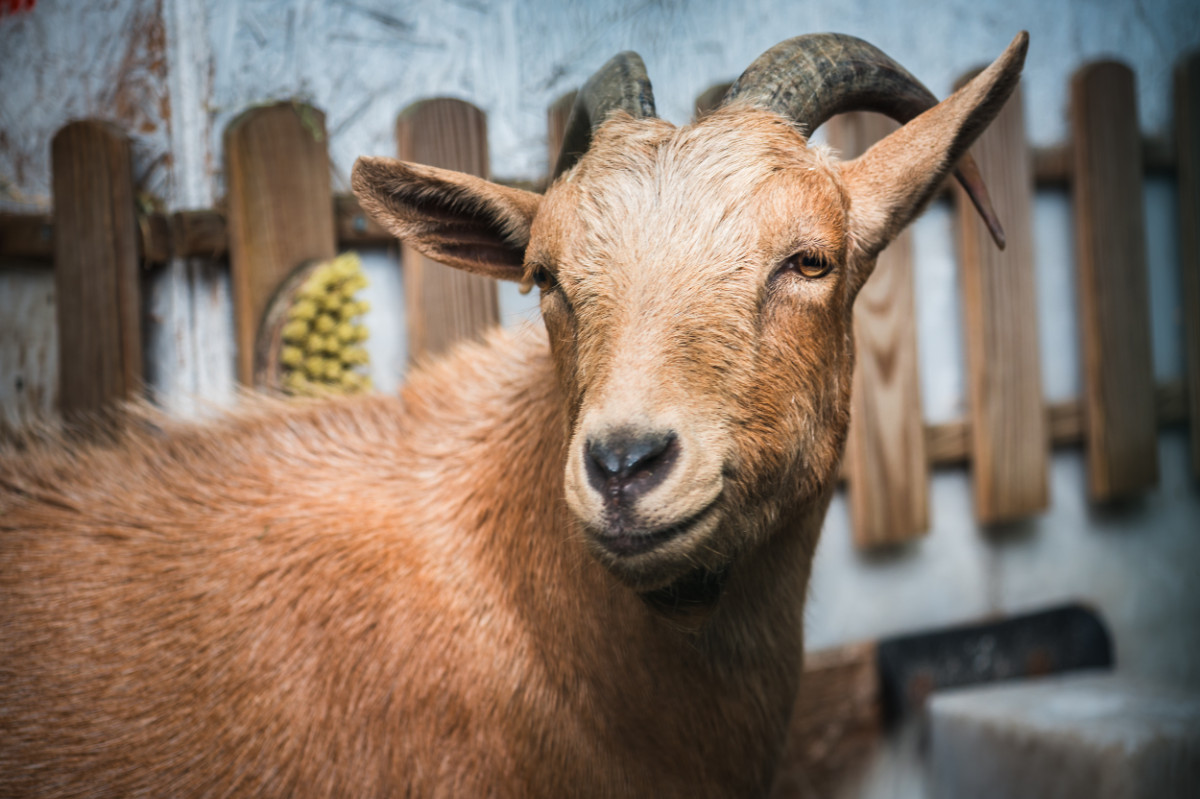
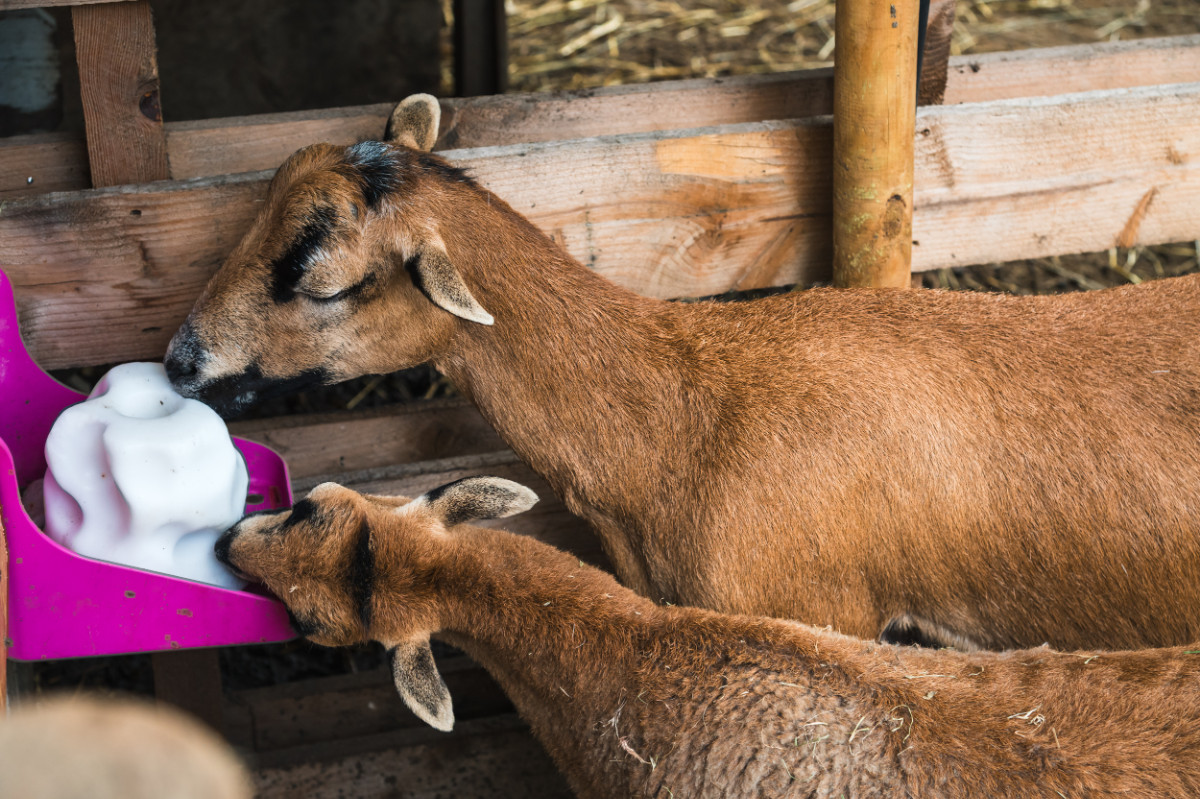
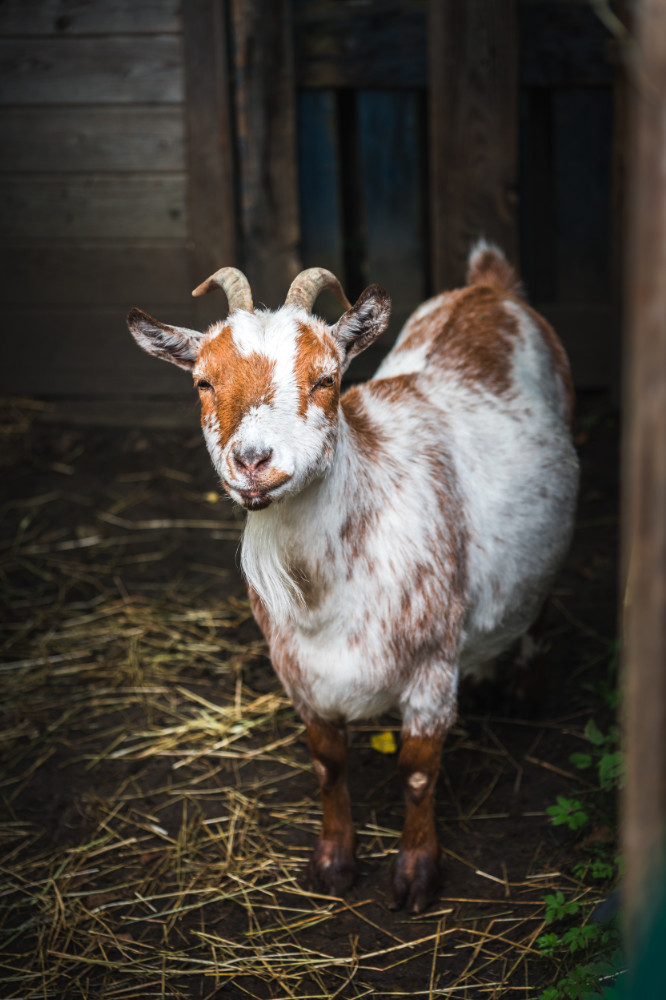
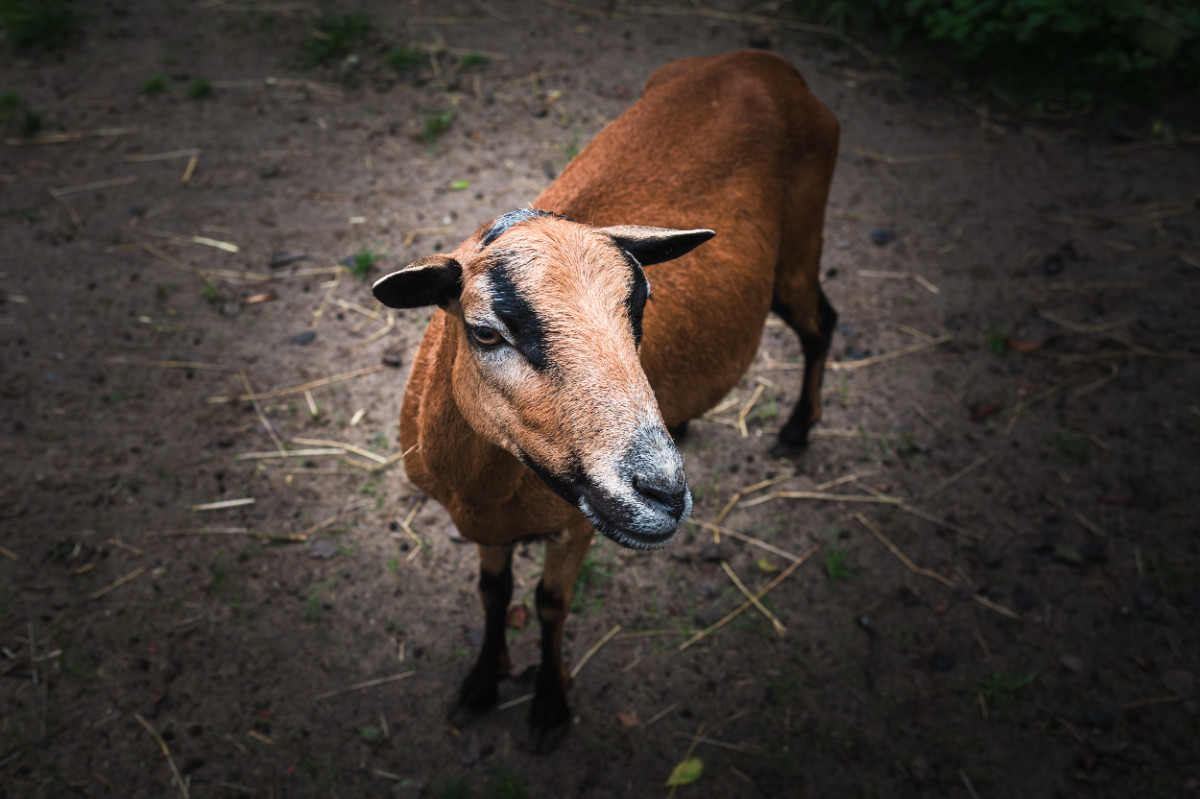
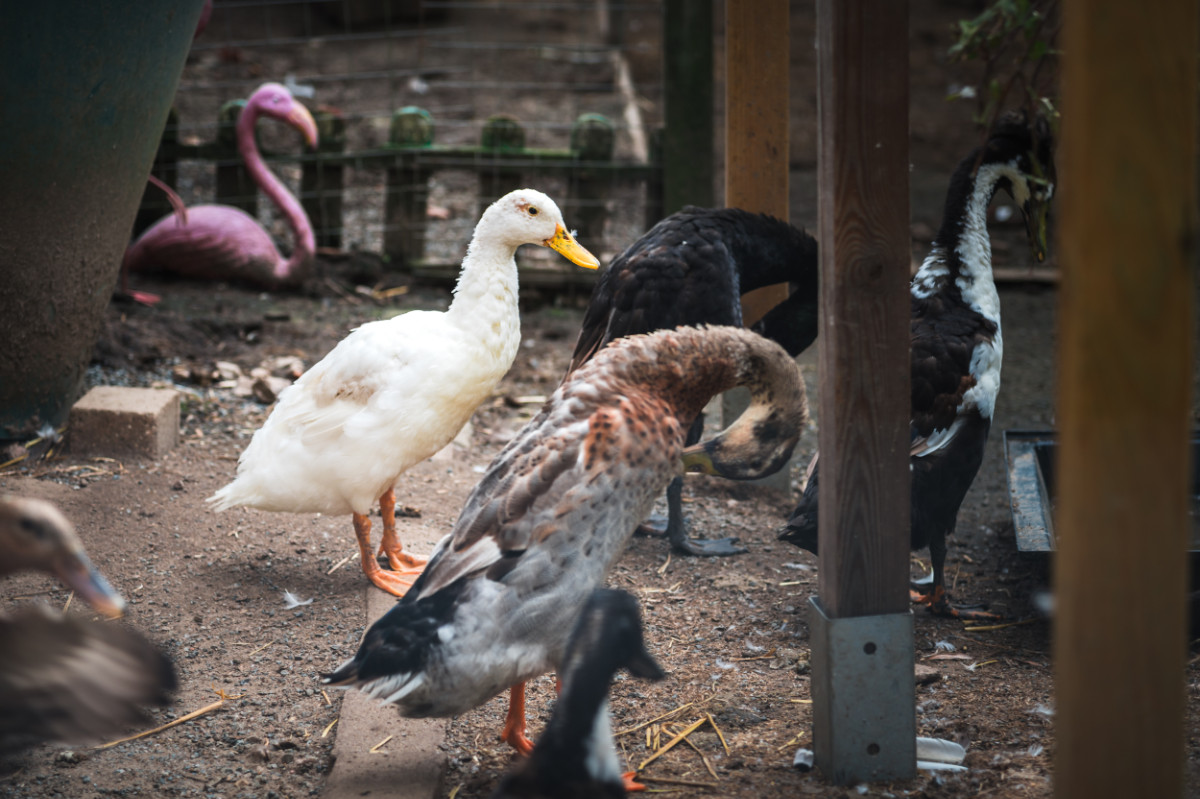
There is a flock of Cameroon sheep with infections (ich war mir nicht sicher das hier eine bestimmte Infektion ist oder einfach generel), hedgehogs are nursed back to health, some by hand. Chickens cluck here; they carry a virus and therefore have to be kept separate from the others. The two Nigerian dwarf goats, Lady and Tramp, peer over a gate as if they are looking for trouble. Mallards and runner ducks waddle around; one of them, “that’s Stocki,” is splashing in the water, with Canada geese next door. Squirrels scamper and climb over branches and twigs. “There’s Valentin, the black rooster. He’s twelve already, sitting next to his wife, Amy. They were the first birds here. An elderly woman brought them. Screamy and the other two here, we picked up at a highway rest stop. Someone had just abandoned them there.”
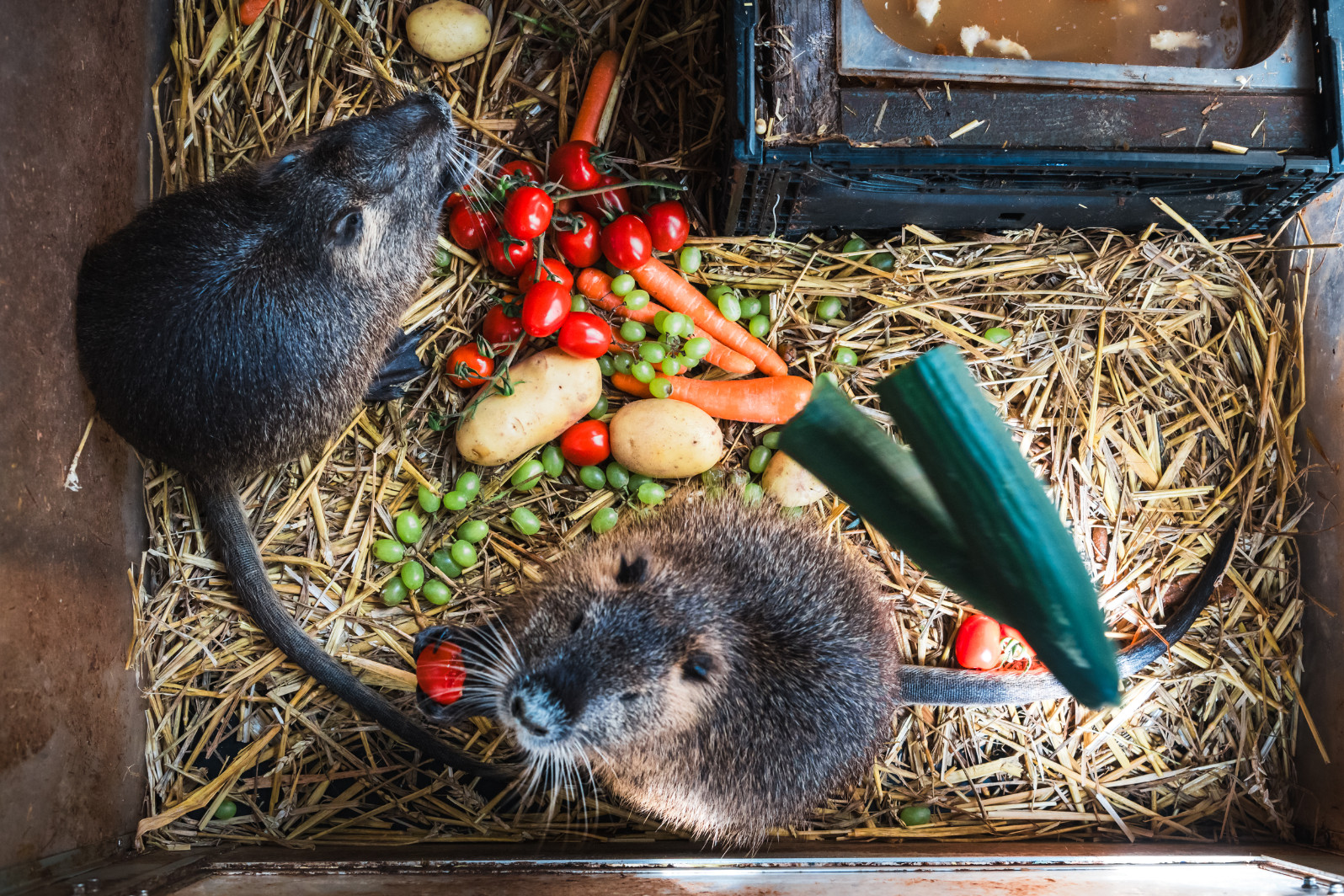
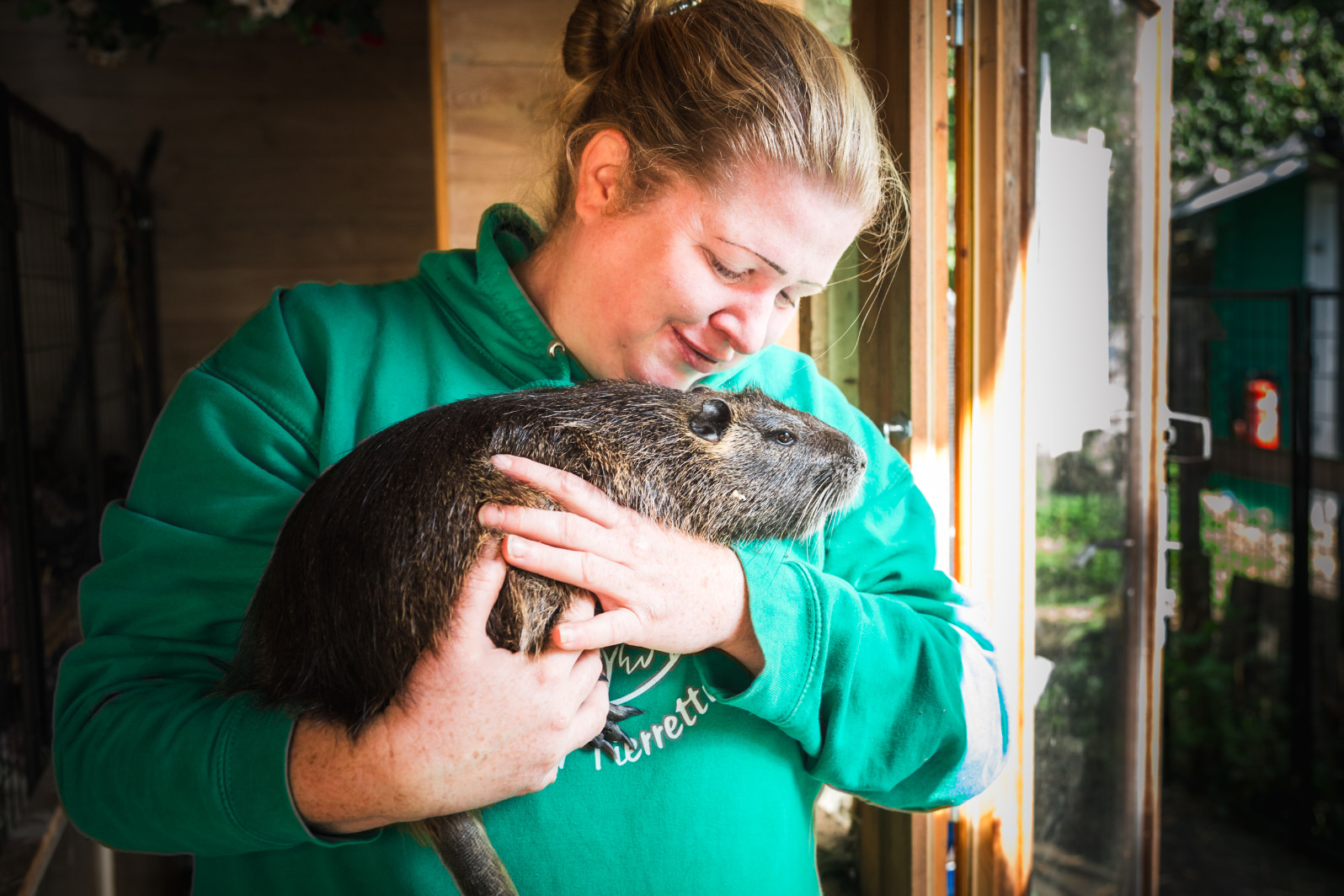
We walk past two more hedgehog shelters and chicken coops, and past Heiko, one of the volunteers, who is standing there with a chainsaw as he builds another outdoor run, pretty little house included. The nutria, South American semiaquatic rodents and relatives of porcupines, pay no attention to Heiko’s sawing and hammering. Food has arrived. A load of tomatoes, followed by a bunch of whole carrots, a cucumber or two tossed in after them, and finally a bunch of grapes.
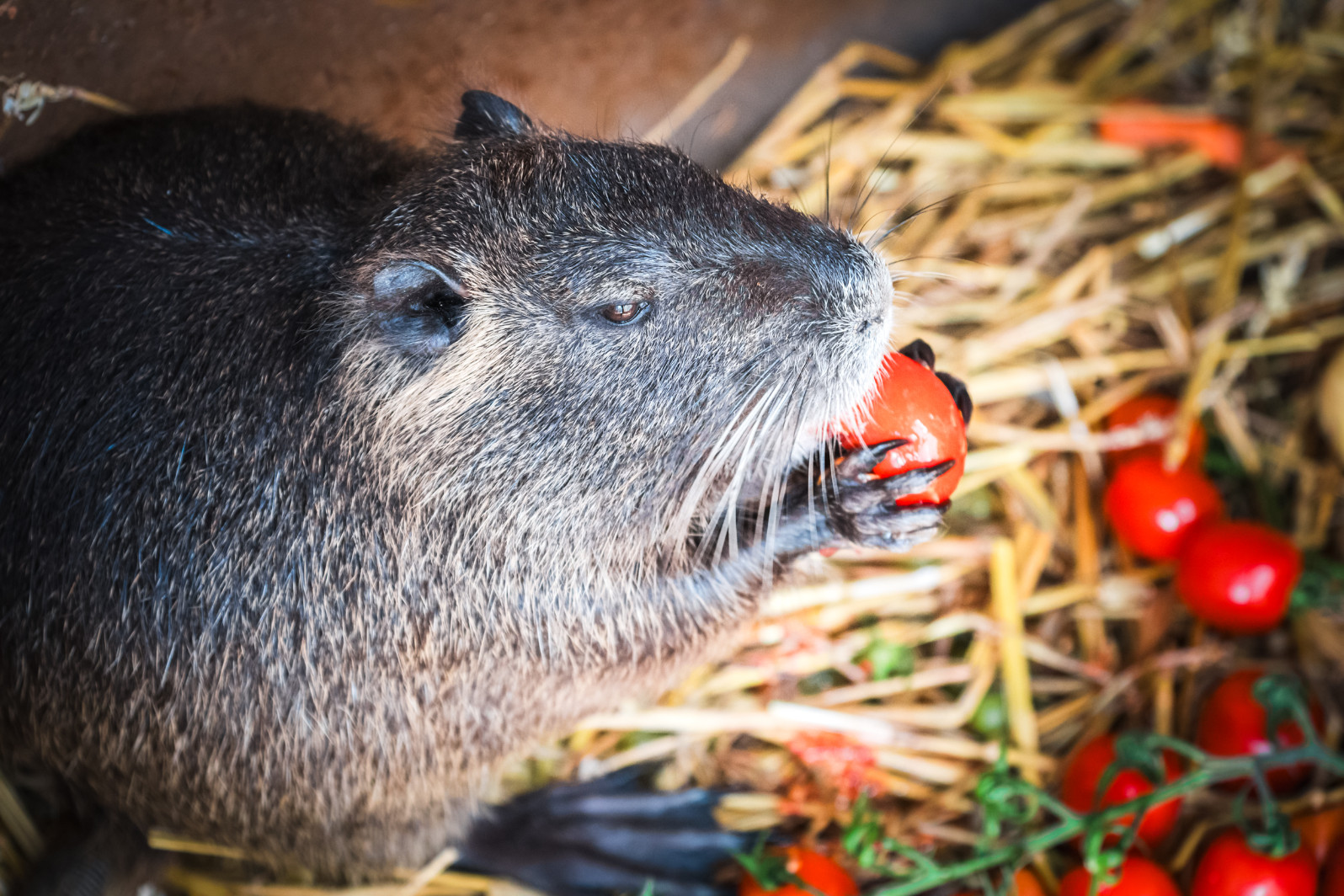
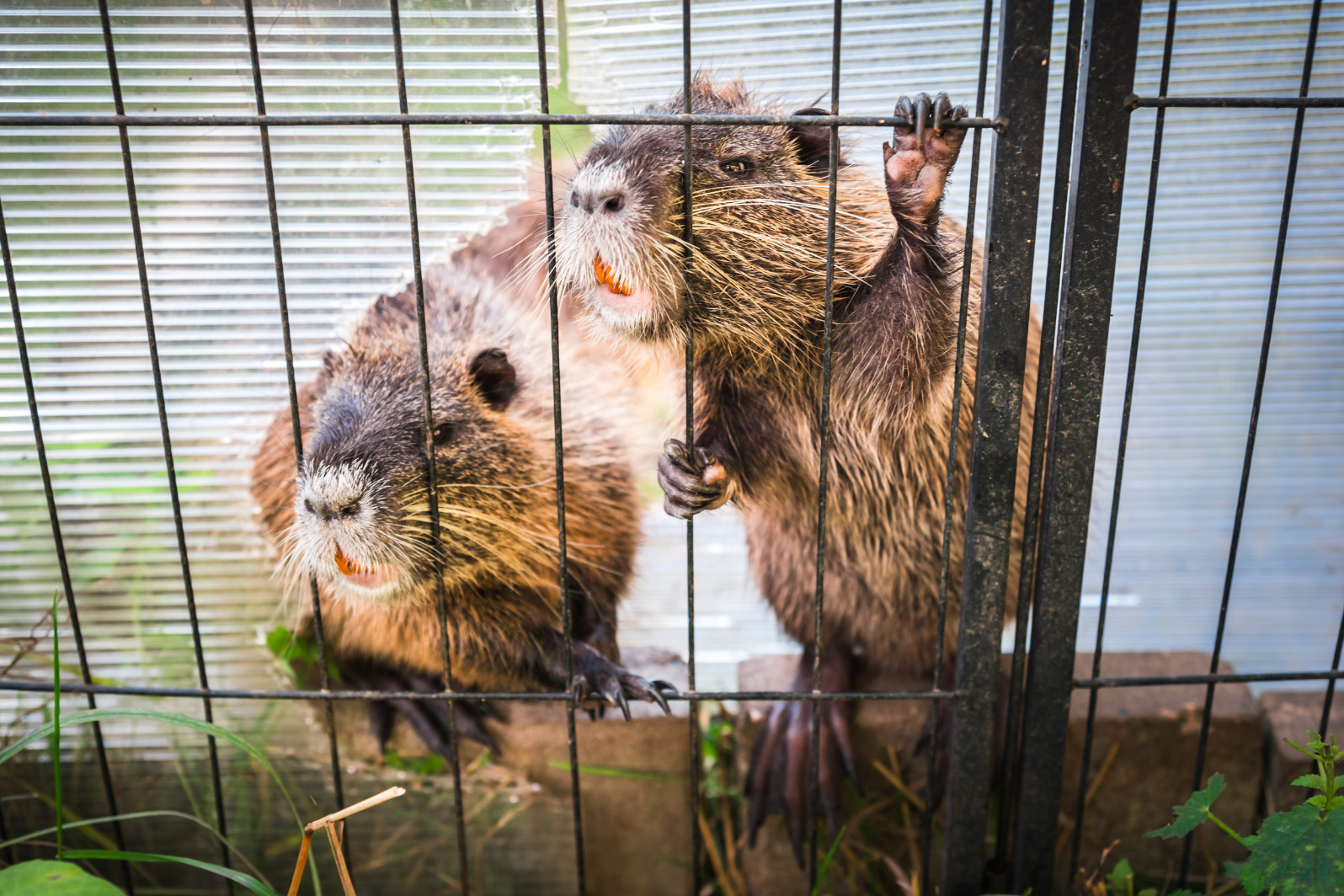
Now they sit there, turning the tomatoes they are nibbling on just as a squirrel would, positioning their carrots to peel them down with their long front teeth, or selecting one grape after another from the spread. A moment ago, they were peering through the fence with expressions that seemed to ask anyone who came too close: What do you want? Looking for trouble? You’ve got it!
Being Wild Isn’t Easy in Germany
But that is only how they appear at first glance. In reality, the animals are anything but dangerous. They are simply wild. That is exactly what Vanessa likes. “I’m wild,” she says with a laugh. “And the animals here are wild. They aren’t domesticated. They have minds of their own. If a raccoon can’t be bothered with me, it can’t be bothered with me. And it lets me know, if necessary by sinking its teeth into me somewhere. Then everyone yells, ‘Aren’t you afraid of it now?’ And I say, ‘No, why would I be? I respect it.’ It’s a wonderful feeling to meet an animal as an equal. I don’t like yes-men or lemmings, which is why wild animals are my favorites.”
But being wild is not easy in Germany. “People,” says Vanessa, “just don’t want to limit themselves. People think the whole world belongs to them. And what makes me angry is that people also think they’re superior to animals. But they definitely aren’t. If we humans would just take a little step back, the world would be a better place. Ideally,” Vanessa says, “we would leave wild animals alone. But we can’t do that if we keep pushing further into their habitat. Then we clash, and that’s where the problems start.
And because we cause those problems, it’s up to us to solve them. But a much better way to protect wildlife would be to leave wild animals alone and give them their space.” Vanessa would much prefer that to “picking up the pieces once society has messed things up. I take in whatever people bring me, as long as I can accommodate it. I don’t base that on endangered lists. It’s not the animals’ fault. But they don’t have anyone lobbying for them.”
Of course, rescue centers like Looki can help individual animals. But Vanessa makes it very clear that only legislative change could really improve the situation for wildlife. Because only those changes could open up a path out of the systemic crisis that politicians and administrators are all too willing to ignore.
It All Began With Mister Prickly
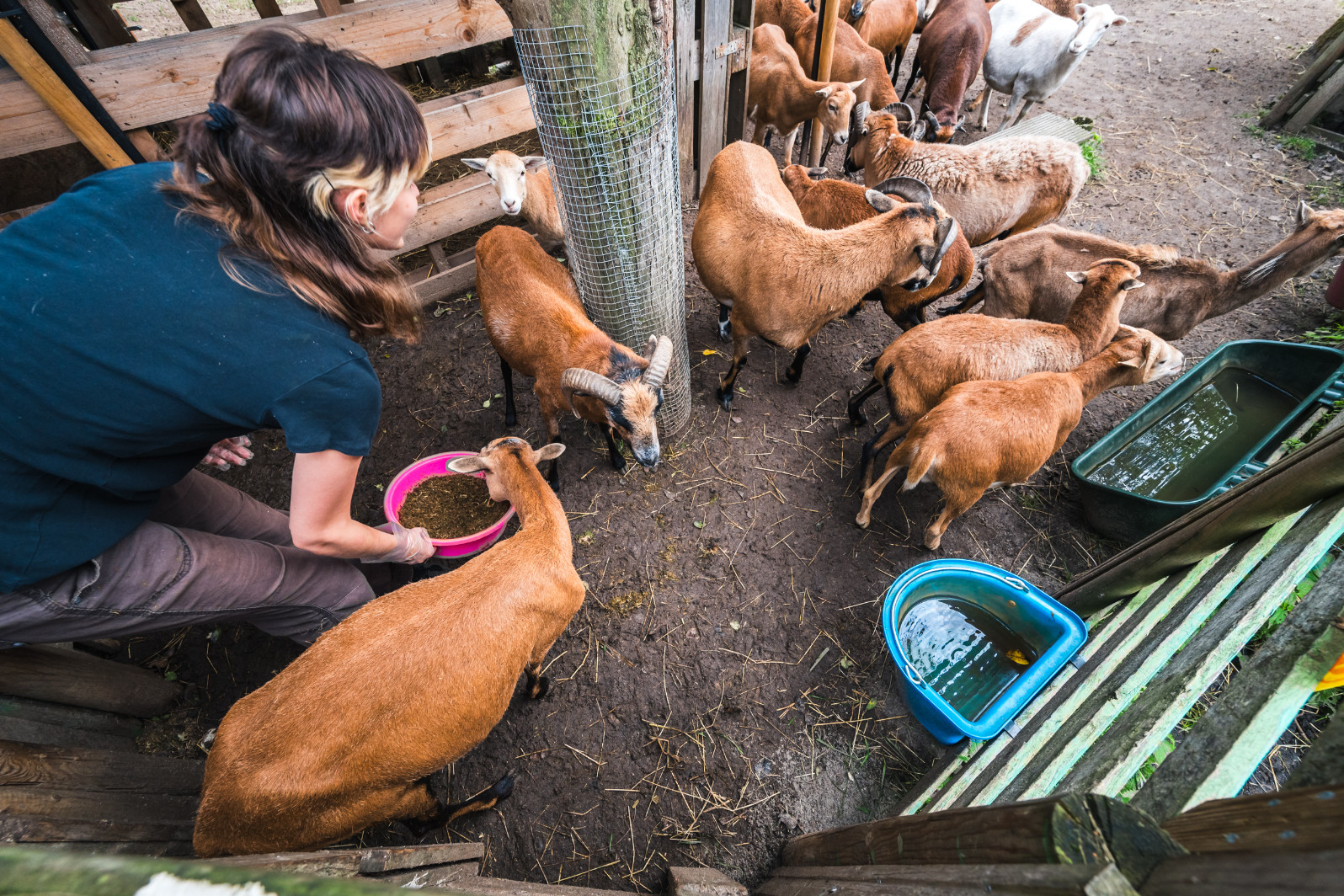
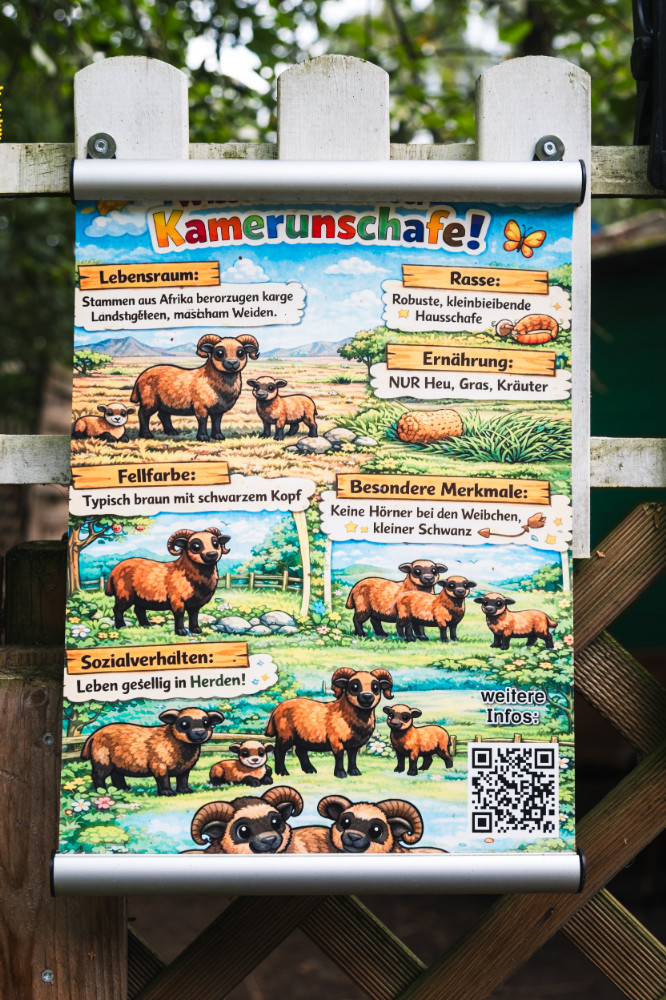
Paula passes by, carrying a bucket on her way to the Cameroon sheep. She wants to collect the pears that fell from the trees last night. Doesn’t she want the sheep to enjoy them? “No,” says Vanessa. “These are African Cameroon sheep, and if they eat too much sweet stuff, they develop kidney problems because they can’t process the sugar. Nutria also have a special metabolism. That’s what gives them such orange teeth. They deposit iron from their food in them. That’s how they harden their teeth. They don’t have tooth enamel like we do. But they don’t eat plants that contain a lot of iron, because then they would have too much of it in their bodies. Over time, that would damage their livers and kidneys.”
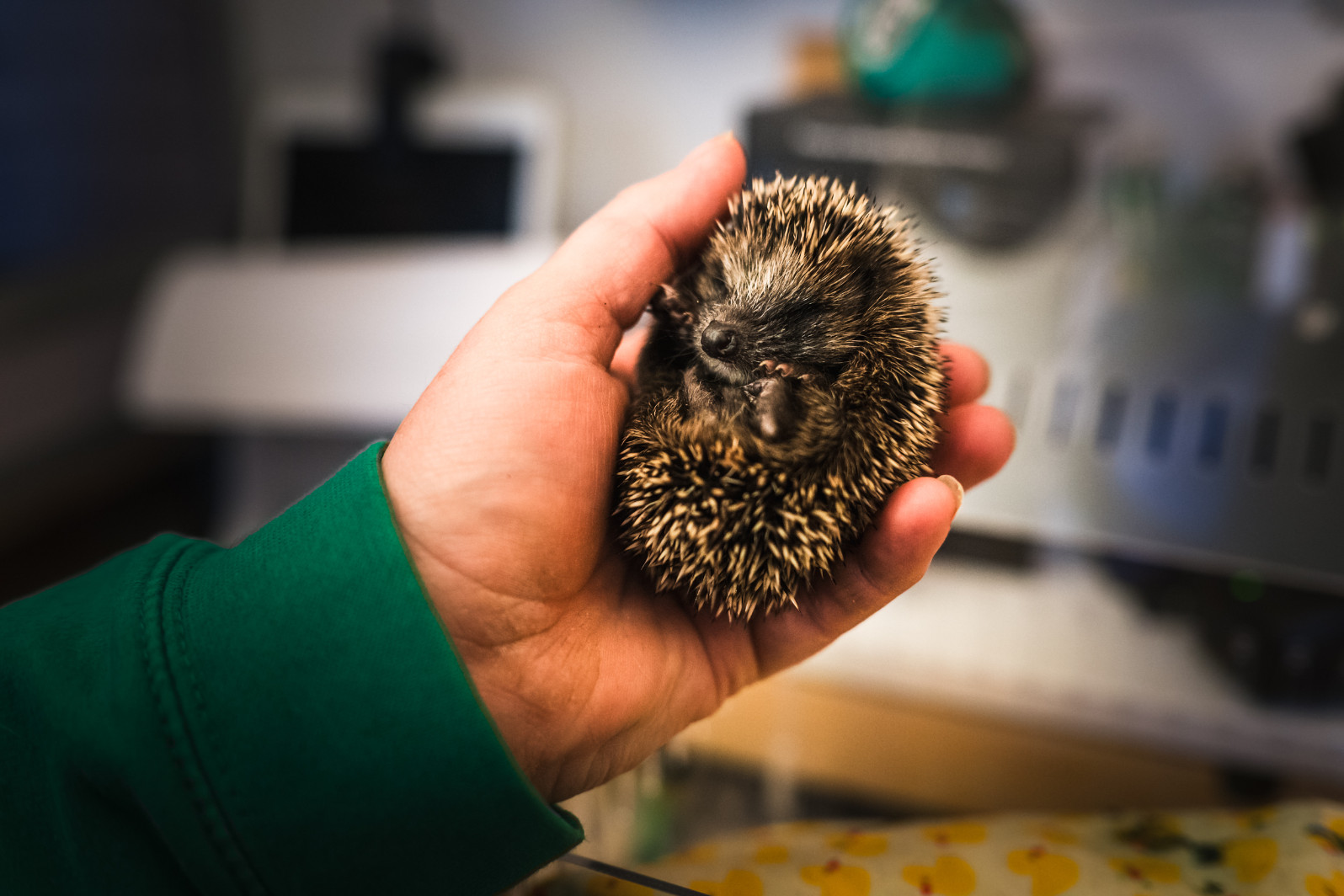
What she shares so casually reveals just how much she knows about the animals. Their behavior, their habits, and their many different needs and sensitivities. She has an eye for these things, and an instinct for them, ever since she found the animal that started it all on her way home from school 30 years ago: Mister Prickly. “He wasn’t doing well. I could see that. But when I picked him up, I also saw the fleas. Still, little Prickly sniffed me with his stinky nose, and I said, ‘I’m going to save you.’ My mother asked, ‘What have you brought home now?’ And I said, ‘I think it’s a hedgehog.’
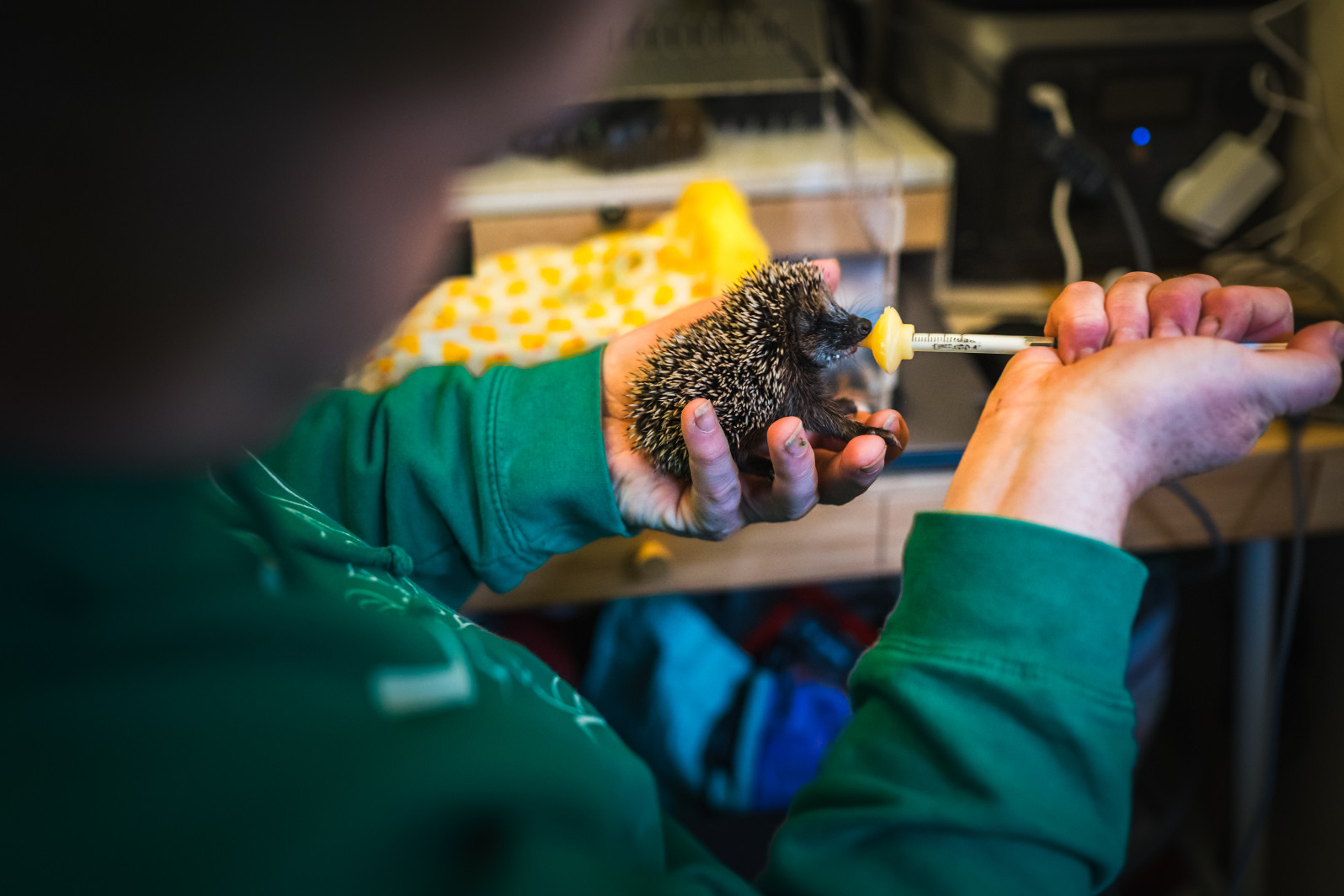
That was all I knew back then. So I went to the library and looked up what he ate and what he needed. At first, I dug for worms outside, before I realized I could just feed him cat food. So I bought cat food from my allowance. And Mister Prickly actually recovered and grew into a real chonker.”
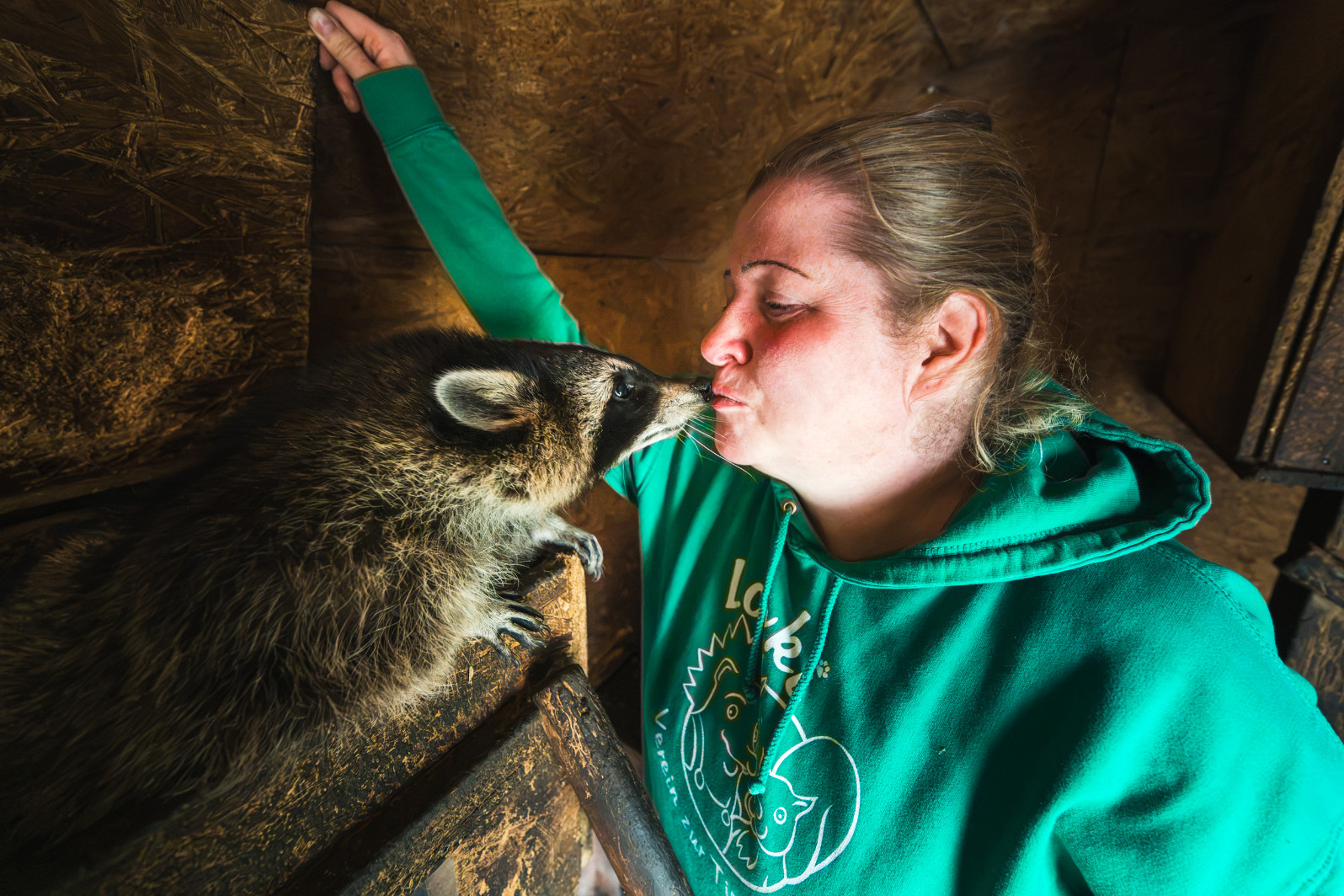
Just as she remembers that very first case, Vanessa could tell stories about all the animals she has cared for since and still cares for today: Cola, the squirrel that loved building its nests in a bottle crate; Blindi, the one-eyed chicken; Goliath, the giant Belgian rooster; and the nutria Brioche, Torti, Nacho, Burrito, Salsa, and Cheesecake.“
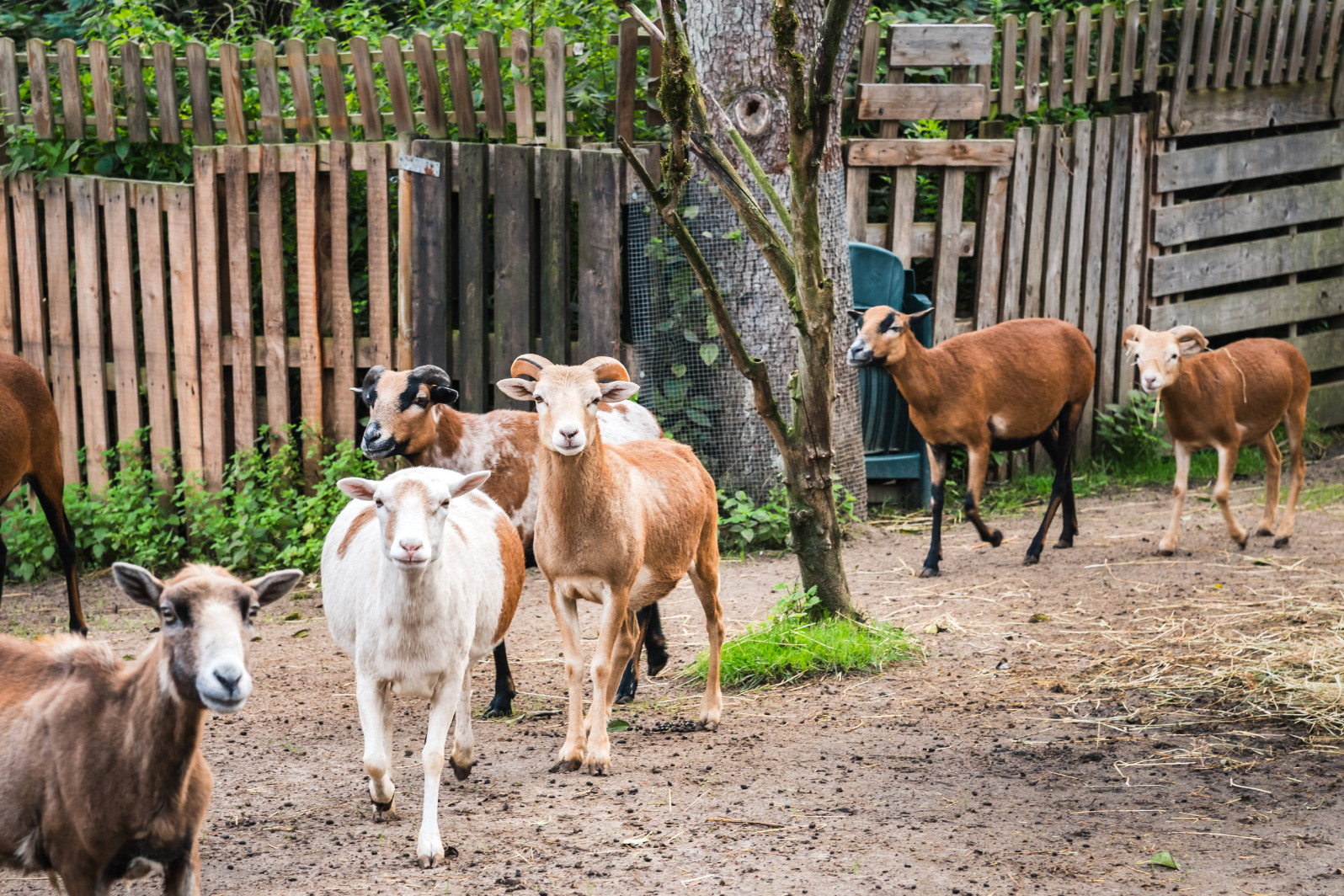
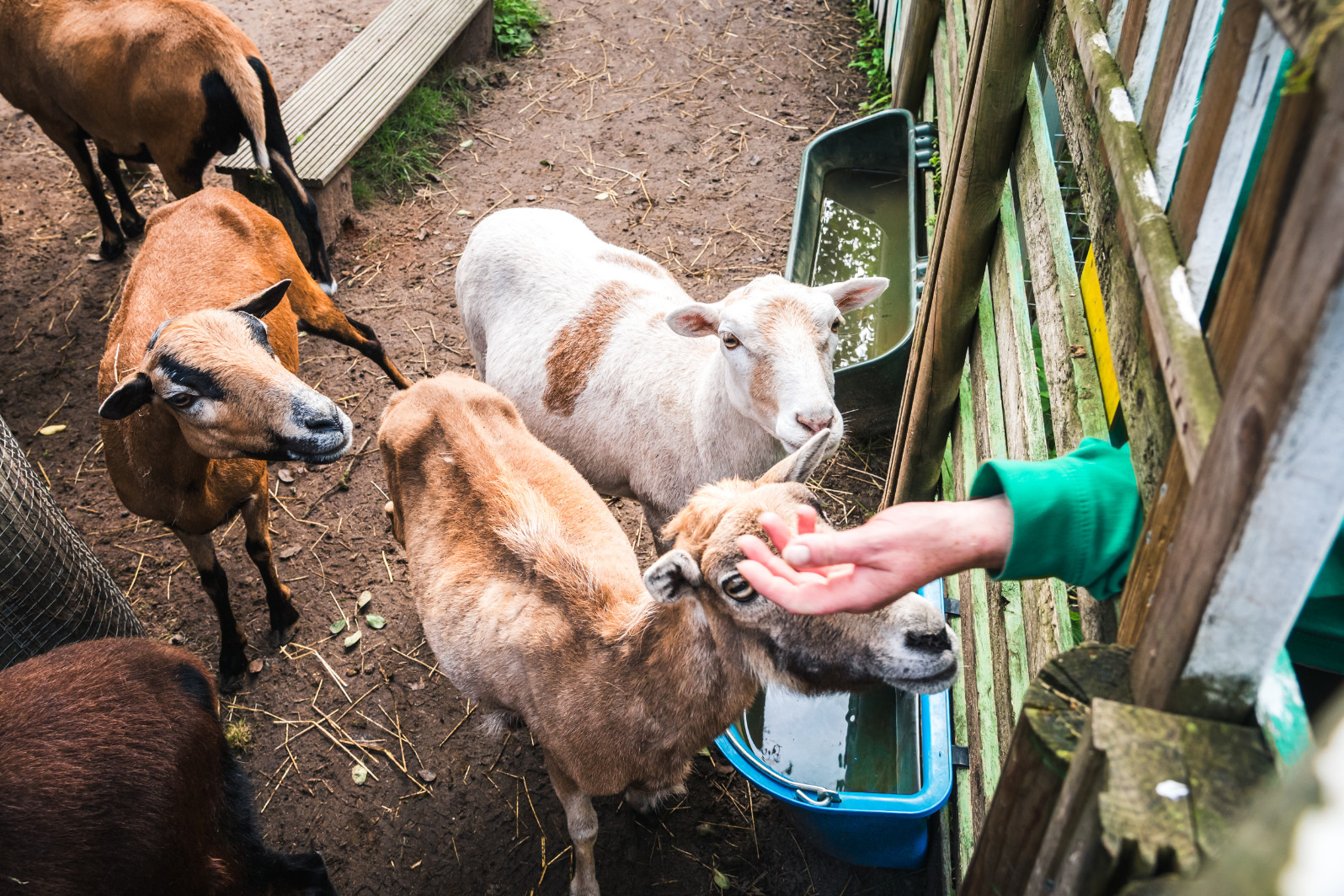
And here are,” she raises her hands over the fence, and immediately they all come running, “the sheep, my little baa-baas. There’s Percy, and Nanni, who I bottle-fed, and Mucki.” They sniff Vanessa’s hands and check curiously to see if there is anything to nibble on. “I didn’t know I loved sheep so much until I had sheep.”
Vanessa, the Lead Sheep
They all came from the same owner, who kept them penned up in a community garden, piled high with trash. One sheep arrived with its tail ripped off; others had terribly long hooves curved like ice skates.
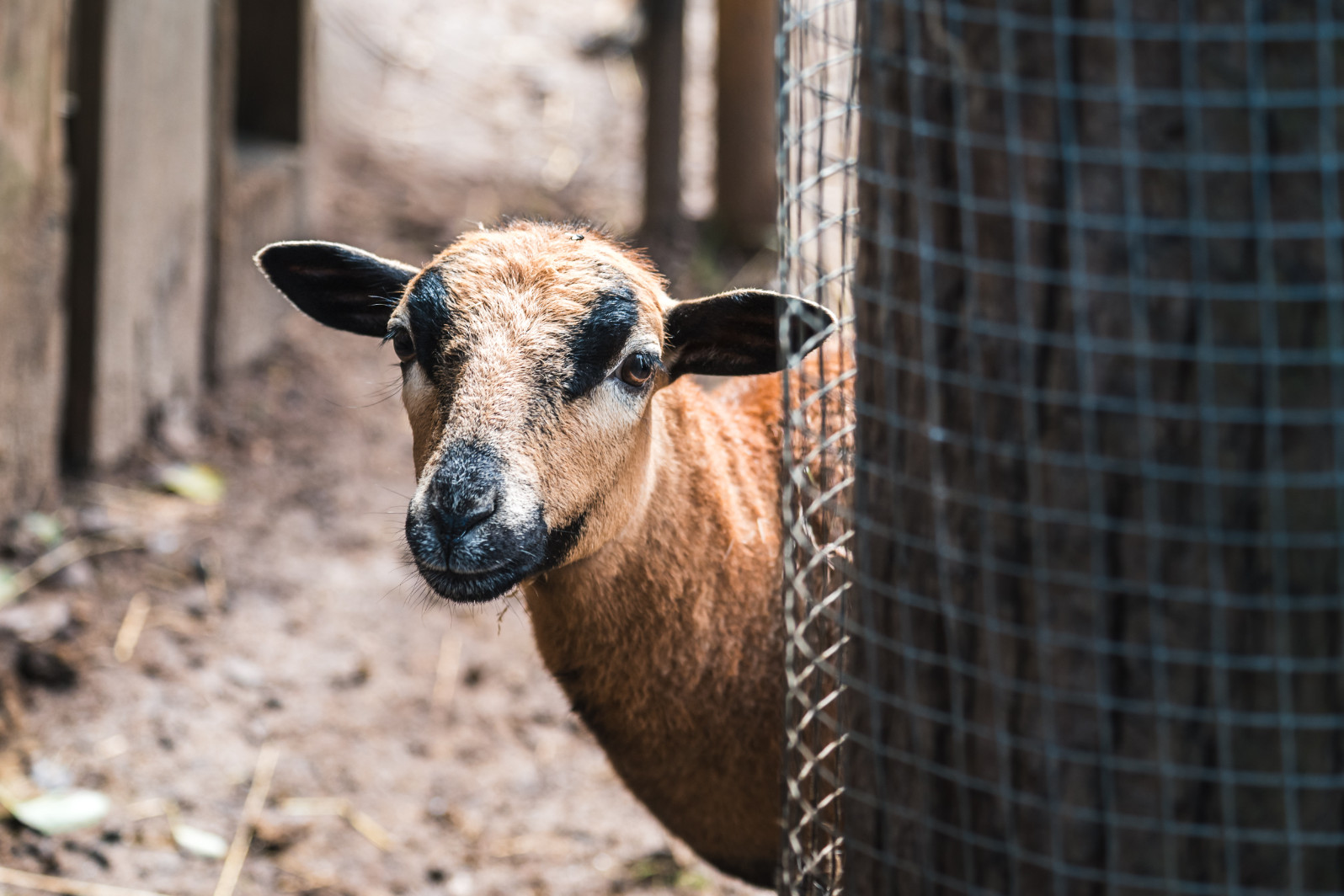
“It was awful, and their nutritional condition was really crappy. Now they all look great again. That one back there, that’s Drömel. One day, he ran onto our property while he was escaping. His wannabe shepherd had tried to shoot him in the pasture but missed. We happened to have the door open because we were cleaning out the stalls. I said, ‘And who are you?’ And he looked at me with huge, scared eyes.
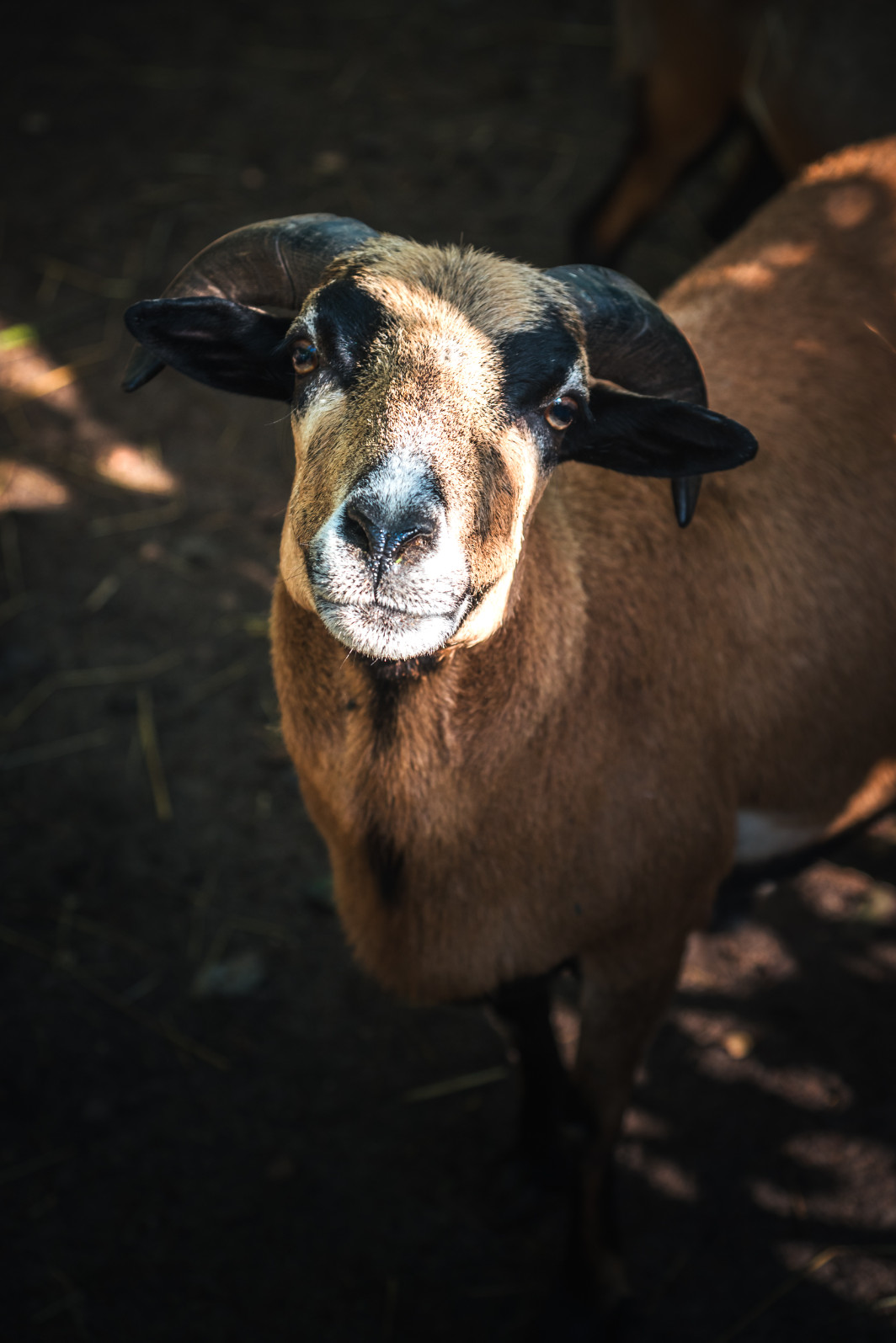
Then Drömel went into one of the stalls — there are still videos of it on Facebook, because we used to have cameras in the stalls and all over the property because of some stupid people—and we saw how he couldn’t believe that he suddenly had a stall with hay, a bucket of water, and even a couch. I really believe Drömel understands that we saved him from slaughter.”
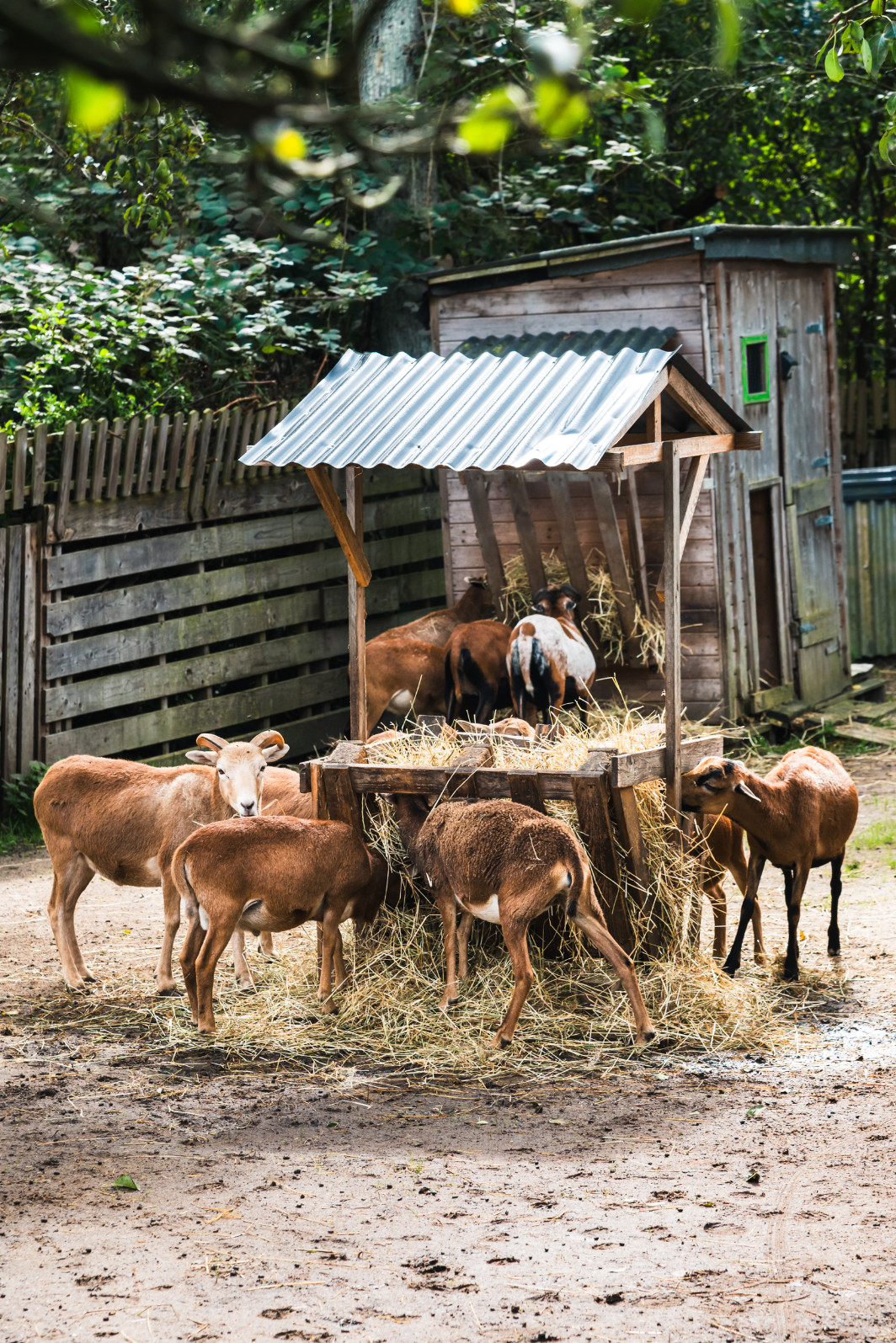
Her relationship with the sheep is special, Vanessa explains after managing to tear herself away to visit the raccoons. She and the sheep are a unit; she belongs to the flock. “They’ve imprinted on me. I’m the lead sheep, so to speak. With the other animals here, it’s completely different. You have to earn their trust over and over again. That’s how it is with wild animals. They may have gotten used to you and recognize you. But actually having a connection is a different matter entirely.”
Why Raccoons Wash
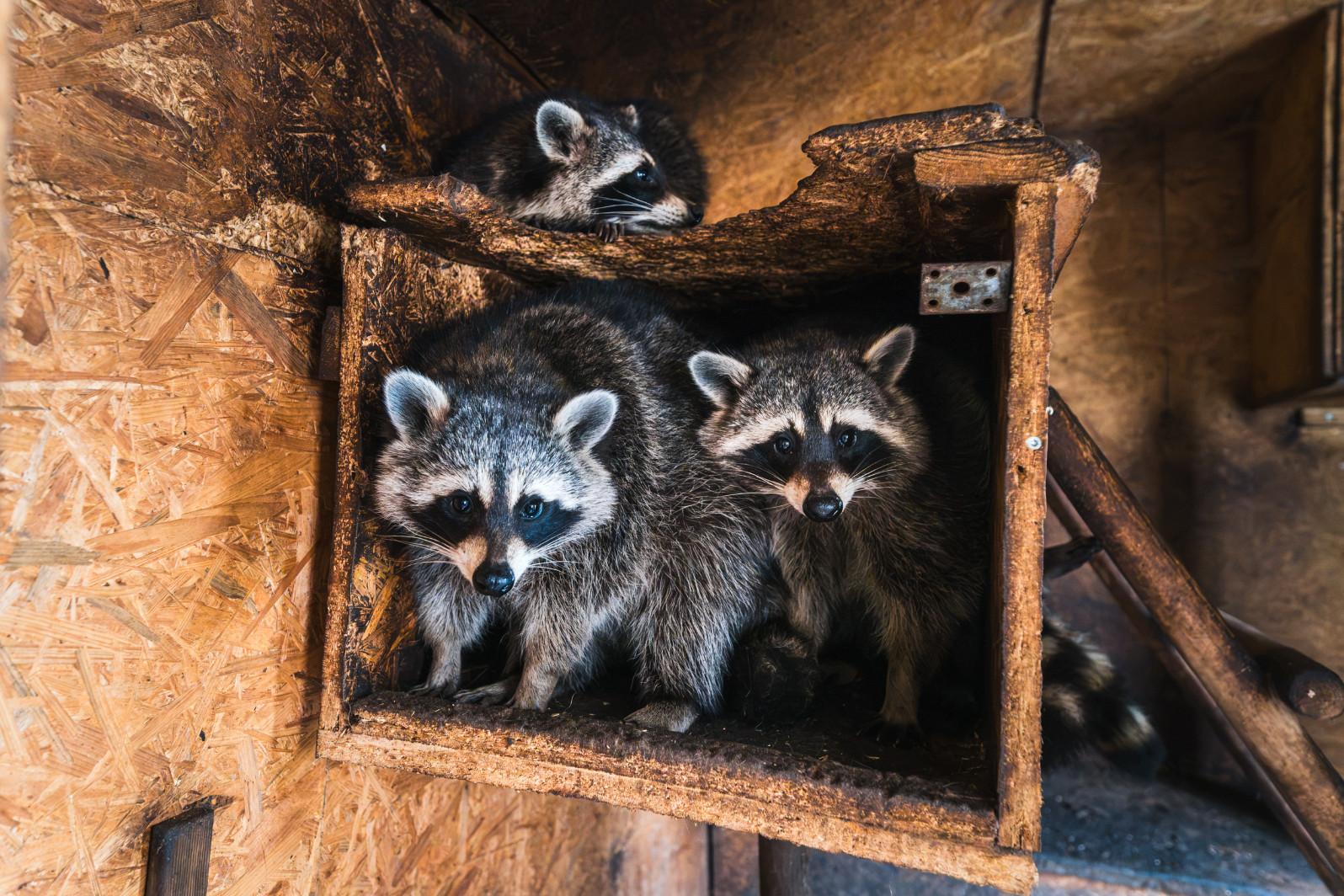
Remembering that is especially important with the raccoons. The way they look and curiously pick up everything in their little hands, you could fall under their spell in an instant, and forget who you are dealing with: wild animals. The team built them a habitat with several houses connected by tunnels. “The raccoons generally all live together, but this way they can also avoid one another and form separate groups,” says Vanessa.
She opens one door, steps into an entry area, then closes the first door behind her. Only then does she open the door to the raccoons. You have to pass through this kind of double-door system because raccoons are escape artists, quick and clever about slipping away. Not right now, though.
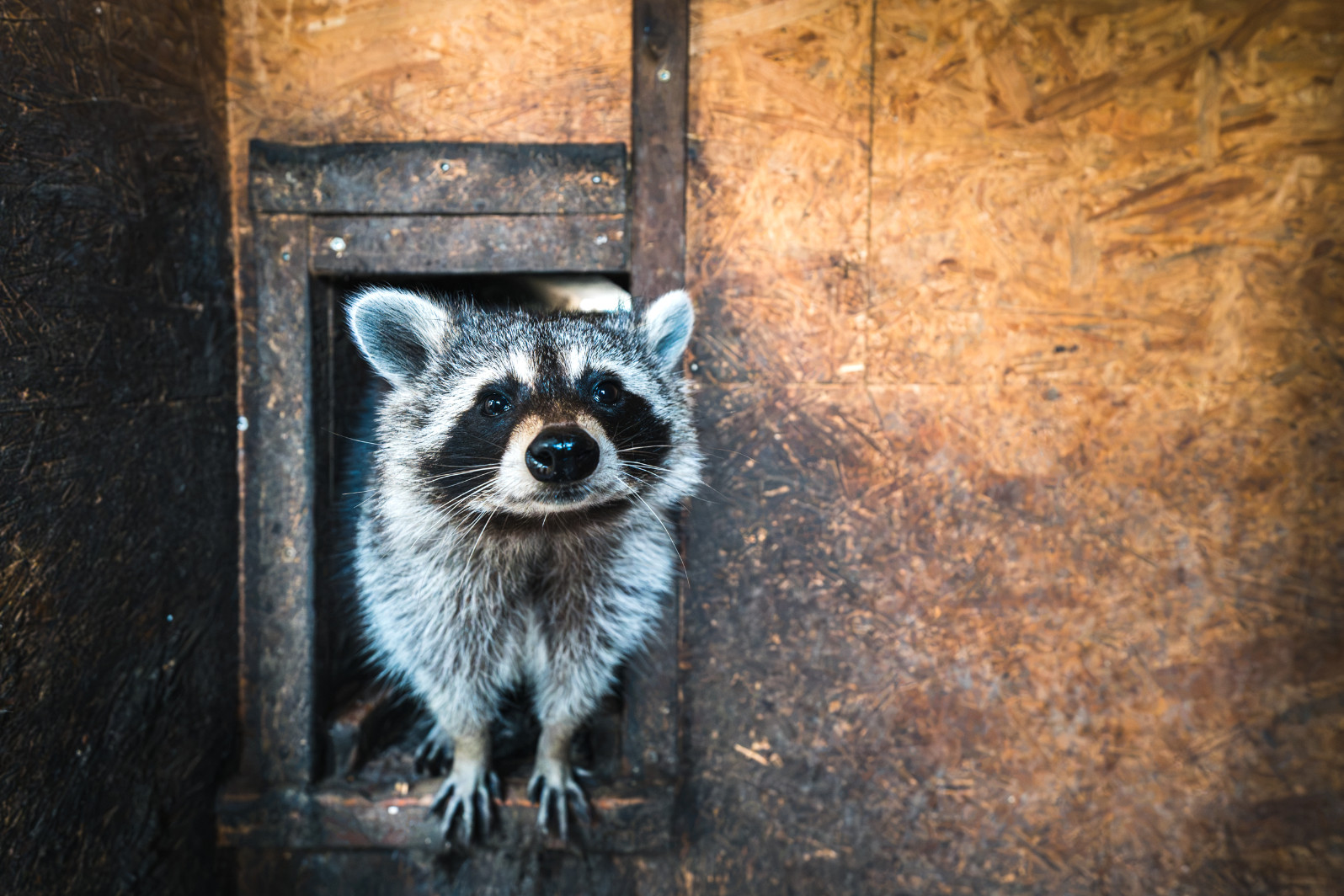
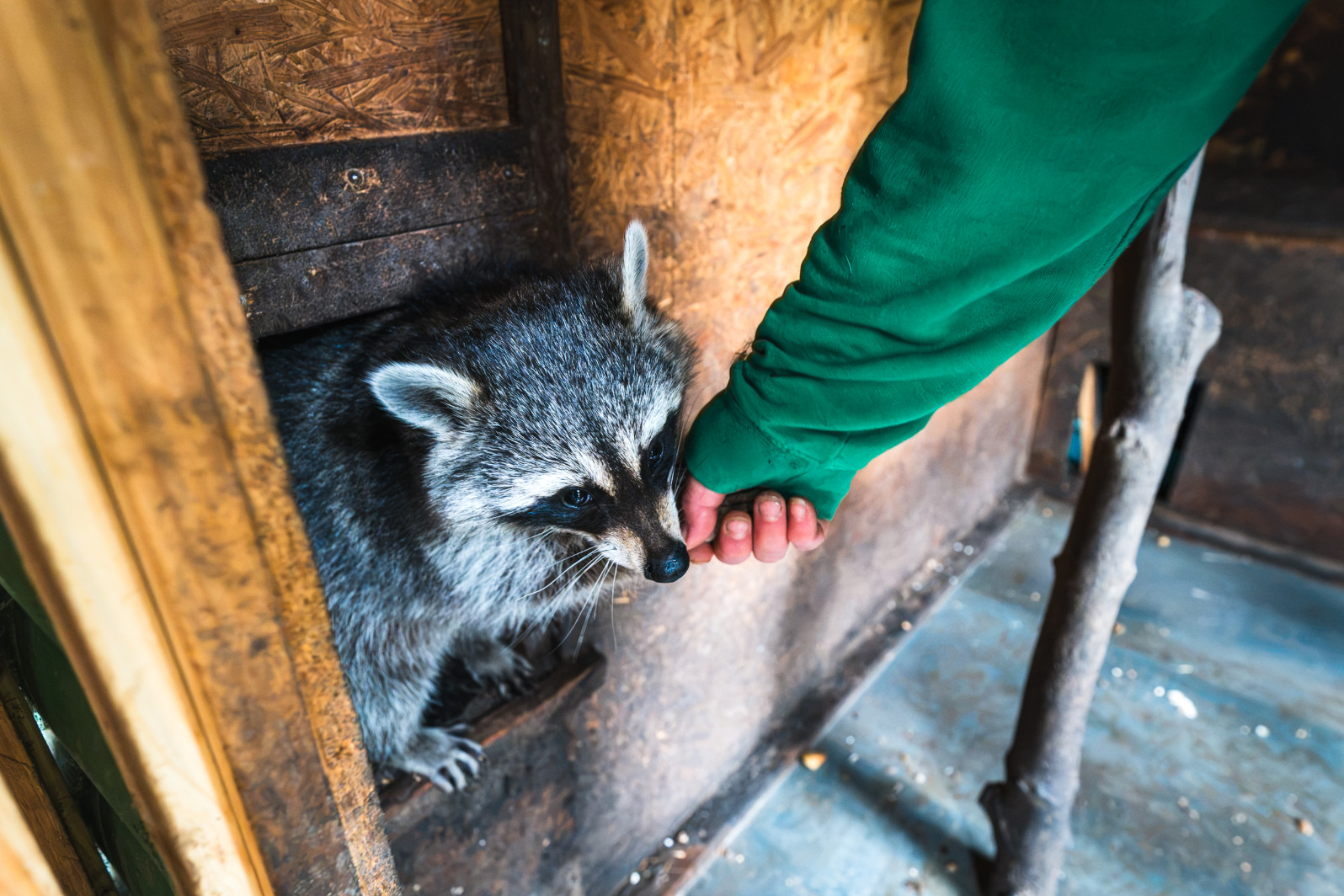
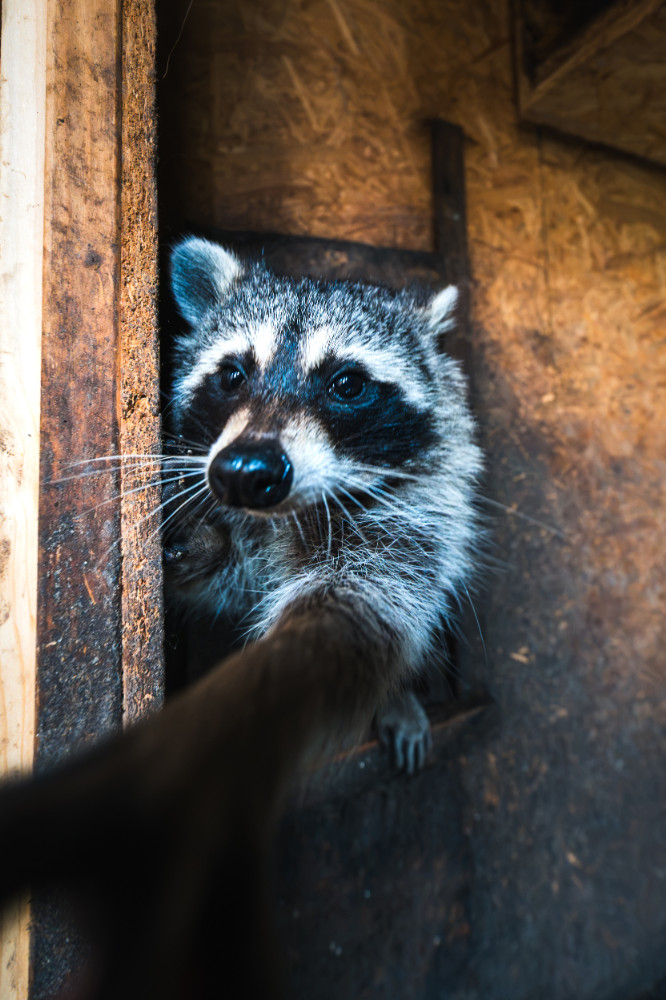
Several are sitting together peacefully in the little wooden boxes they can retreat to. Only gradually do they poke out their heads, one after another, and reach out their hands to feel who has entered their home.
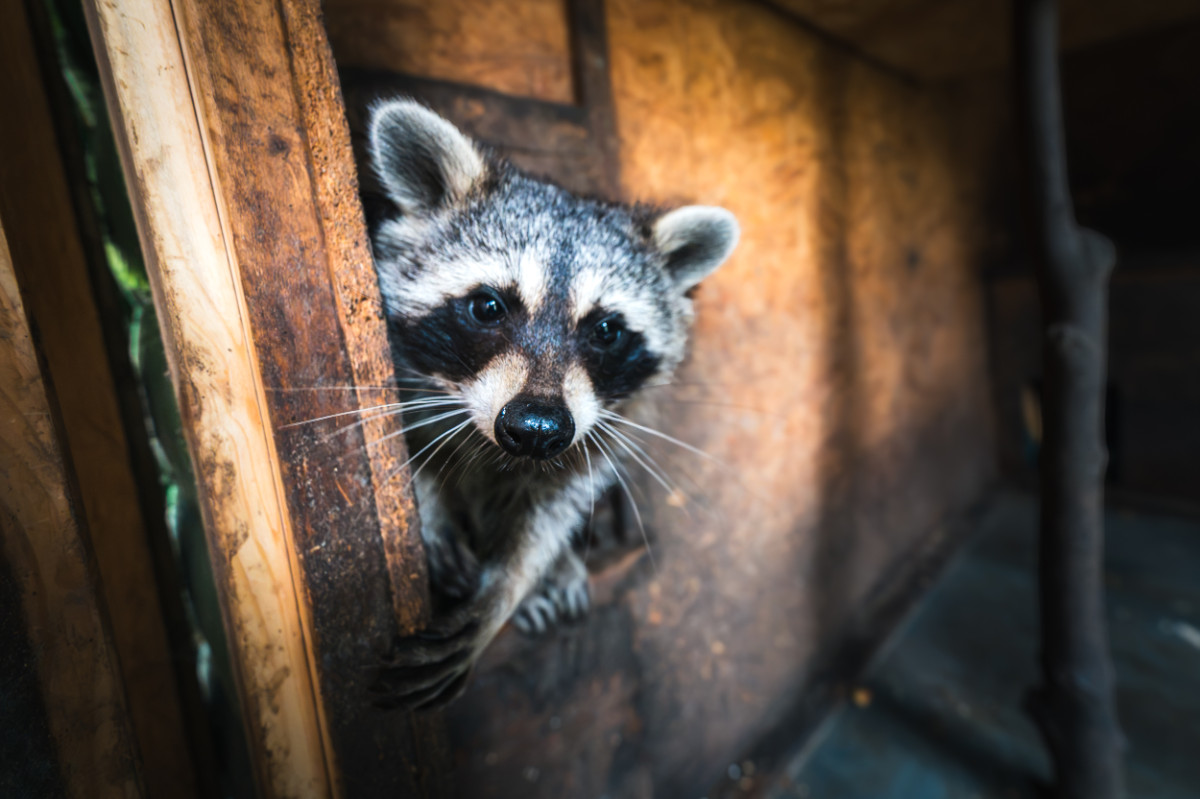
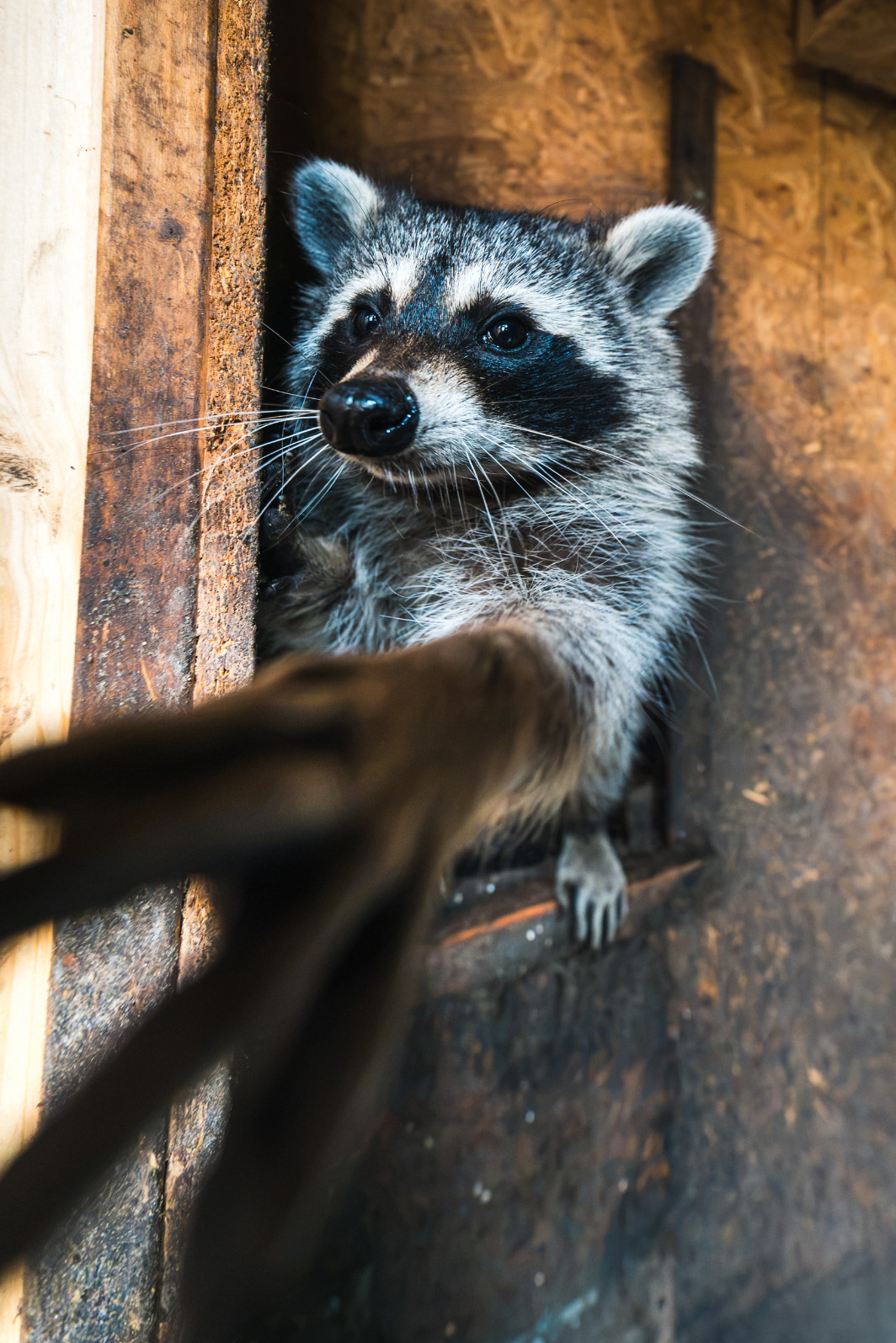
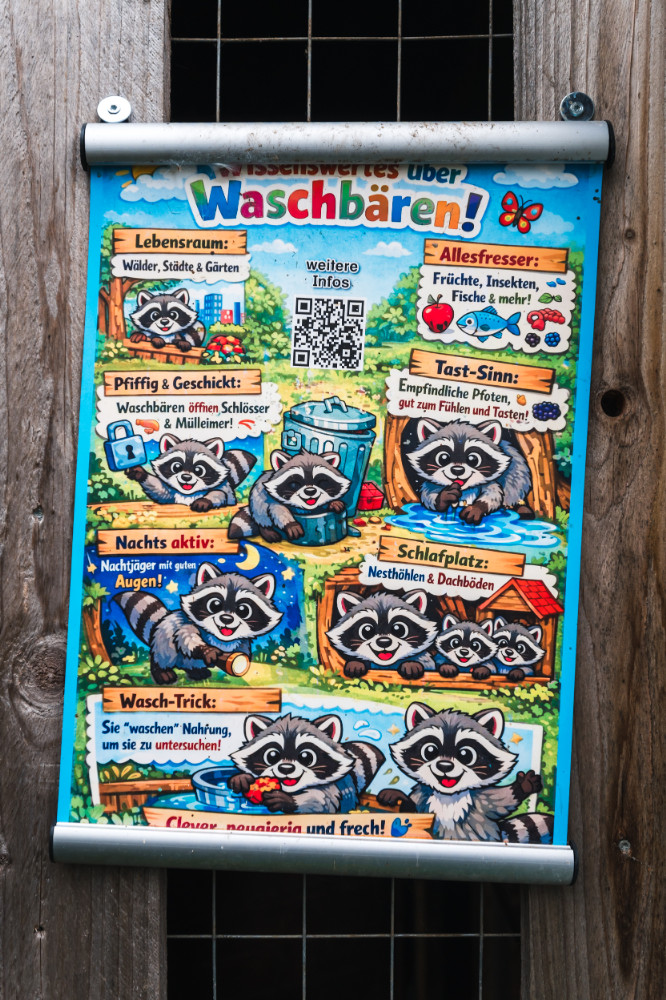
That is what raccoons do, they inspect many things with their front paws, which have a very keen sense of touch. In captivity, they tend to “wash” their food, which is how they got their German name and their names in several other languages. It does not really have anything to do with washing, though. Rather, water softens the thick skin on their paws, making their sense of touch even more sensitive. Researchers also think that captive raccoons are, in a sense, acting out the search for food along the edge of water. But no one knows for sure.
“For Wild Animals, Freedom is the only appropriate way of life”
“I wish,” says Vanessa, as one of the raccoons wraps its paw around her finger, holding her hand, “there was a way to release invasive species back into the wild. But that isn’t allowed. Eventually, though, your enclosures fill up. Then what? That’s why I’m also very politically active, because I want this situation to change. I want us to say: We sterilize the invasive animals and then release them back into the wild. Because for wild animals, freedom is the only appropriate way of life.”
No comments
Leave a comment