Much more than Food
Tiertafel Hamburg e.V. supports people who have fallen into financial hardship through no fault of their own, so that they do not lose their pets as well. ‘We make sure that people and animals can stay together,’ says Kara Schott.
Text: Michael Orth, photos: Michael Orth and Tiertafel Hamburg e.V.
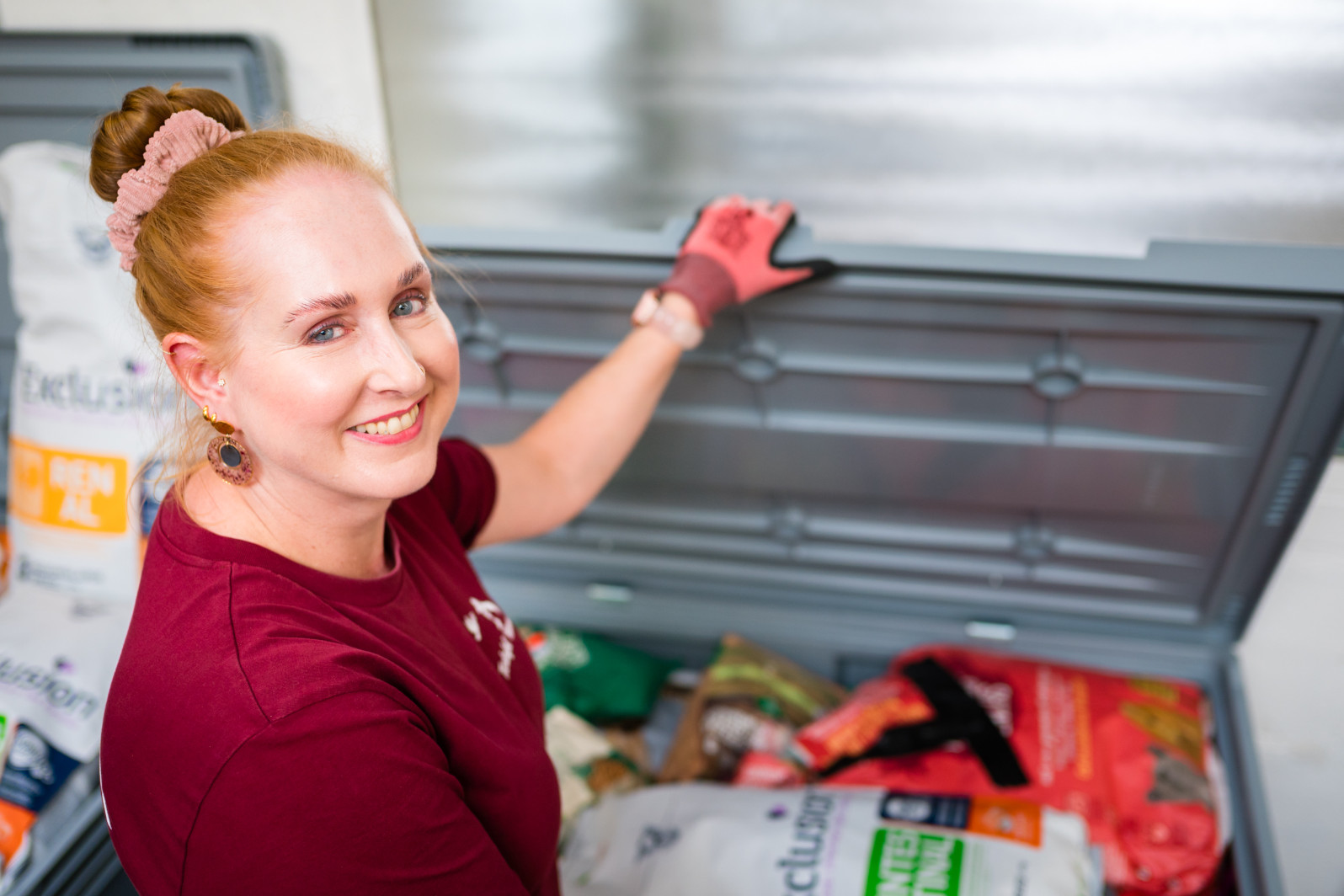
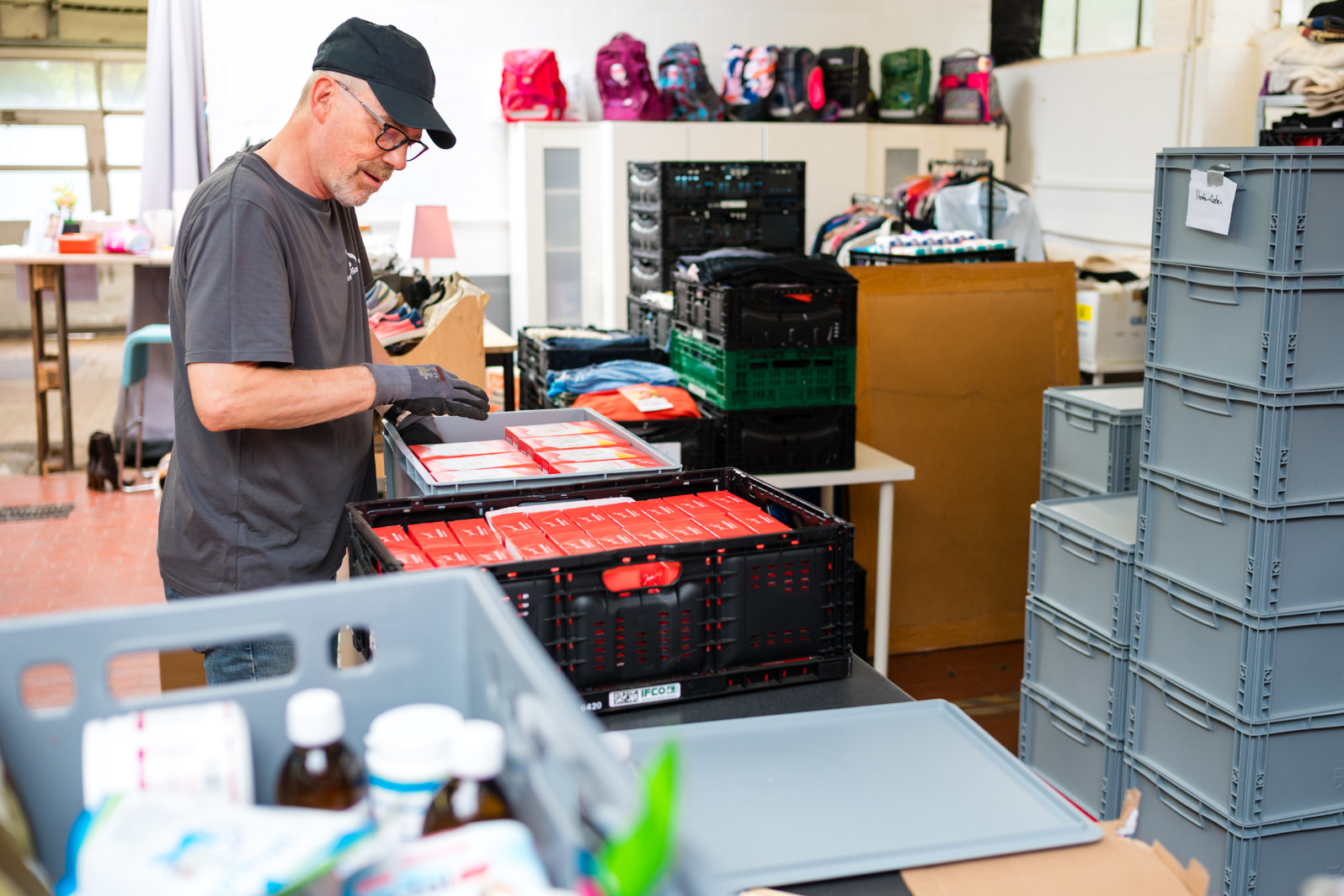
She had arrived at 8.30am, opened the large roll-up shutter at the front, and assessed the situation: What do we have for tomorrow? What can we offer? What is the best way to arrange it all? Who is likely to come, and how many will there be? Tomorrow is one of Tiertafel Hamburg e.V.’s two monthly distribution days, so Kara Schott, the association’s chair, has to get everything ready today.
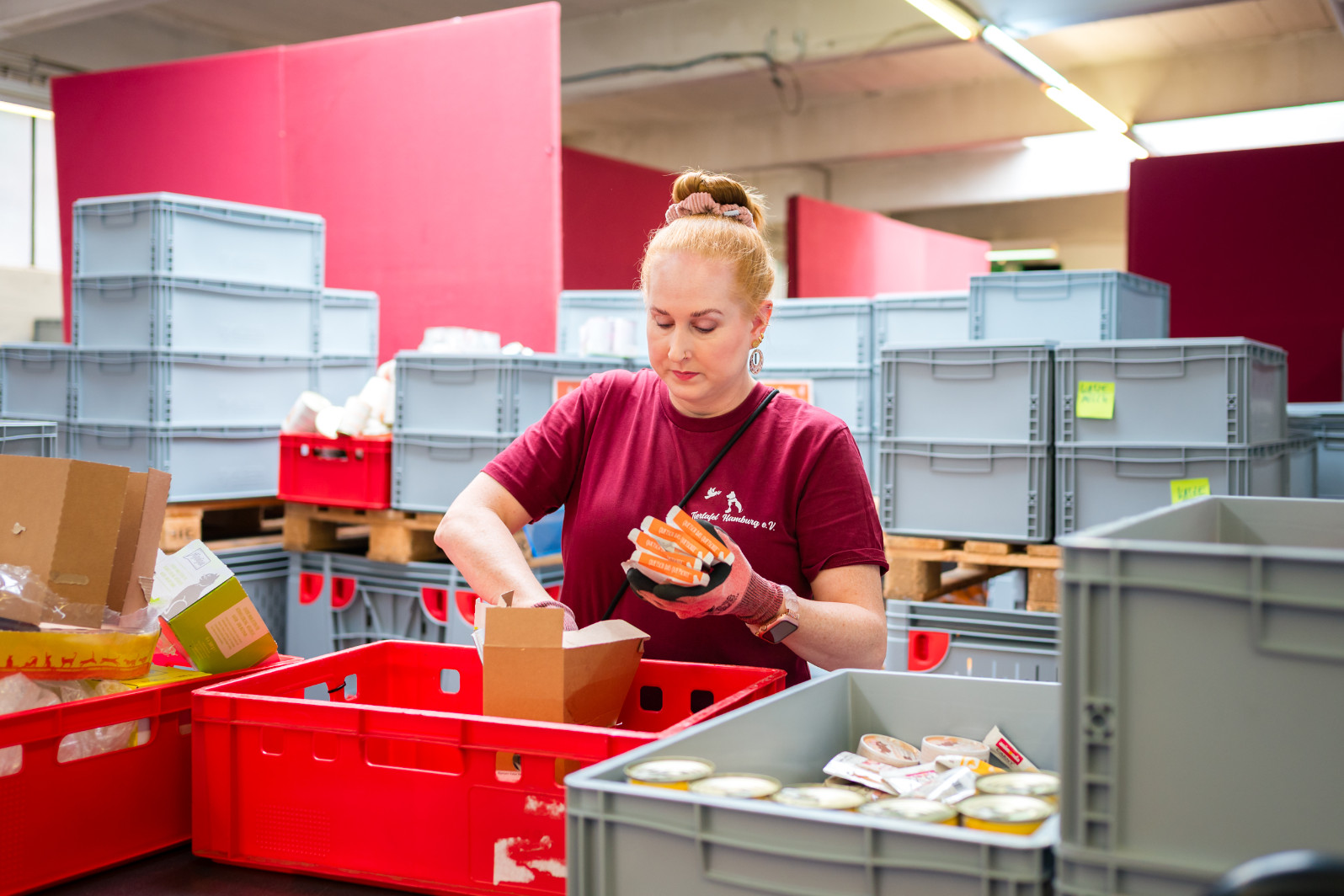
So there she stands, wearing a pair of pink work gloves, in a tiled hall that used to be a car repair shop. Plastic boxes of food for dogs, cats, and small animals are stacked on the counter in front of her, beside her, and behind her — small cans here, larger ones there; bags here, cardboard boxes filled with little pouches there. All of this, as well as many other things, needs to be sorted by tomorrow.
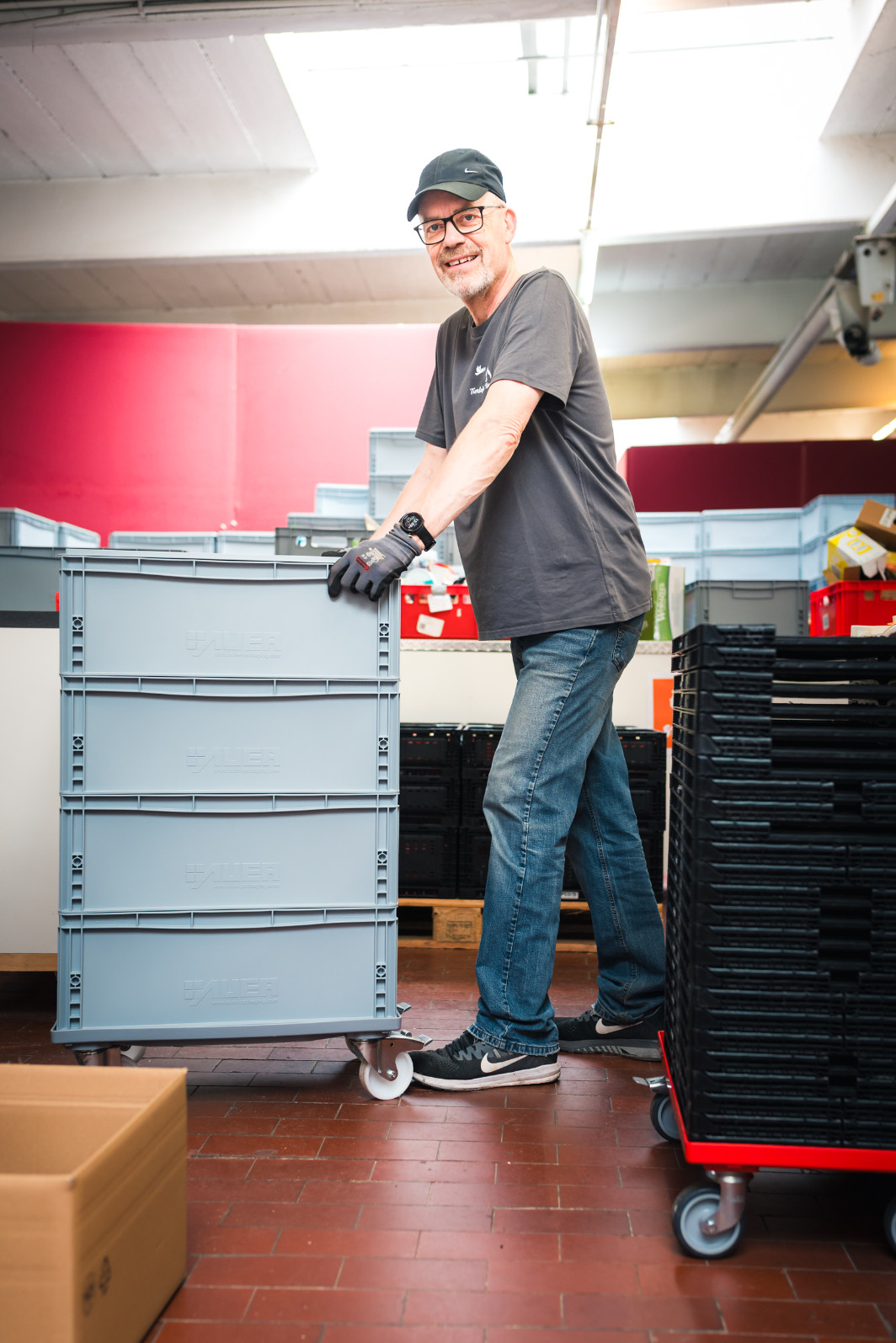
“We have our own system for organizing everything so that it is in exactly the right place when we hand it out,” says Holger, who is helping Kara sort the supplies and is pushing a fully loaded pallet jack past the counter. He is about to stick a label onto each of the boxes on it, specifying exactly what is inside. “That makes it easier to keep track of everything tomorrow. Otherwise,” Holger says, writing the next label, “it simply wouldn’t work.”
Tomorrow, Tiertafel Hamburg’s volunteers will distribute up to 1,000 kilos of dog food and 500 kilos of cat food, always making sure that every animal receives the food it likes, needs, and can tolerate. One box is labelled “Gentle Diet”; others say “Diabetes”, “Intestinal”, or “Sensitive Control”. Quite a few animals have illnesses or allergies, can’t cope with ordinary food, or need dietary supplements. Kara is sorting those now, putting a packet of devil’s claw powder into a box along with cod oil, multivitamin pills, herbs for digestive health, and so on.
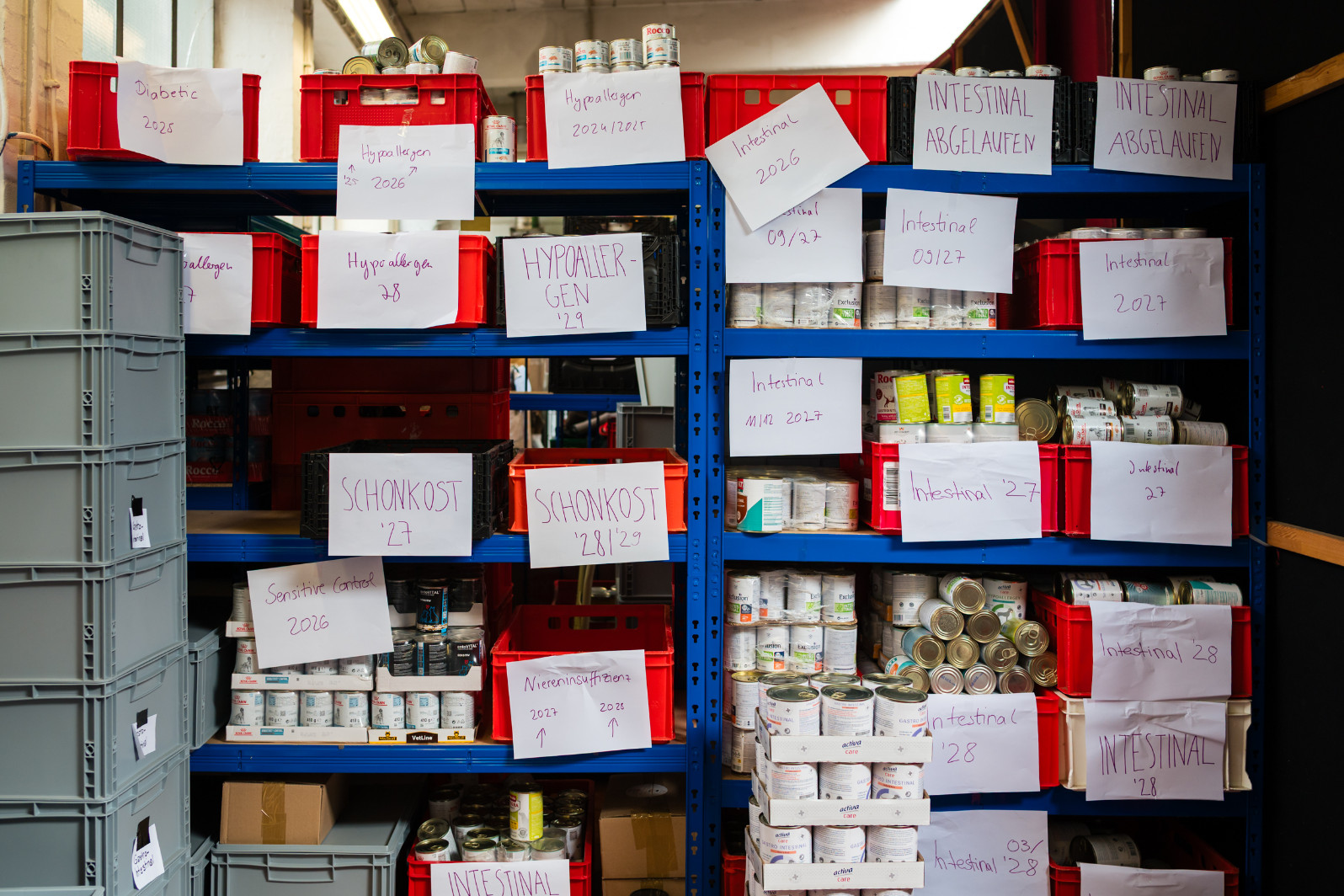
“On some distribution days, we’ll have 80 people come by; on others, there are 100, 120, or even 170 waiting,” says Kara. Generally, she explains, donations cover their needs fairly well. “But with the animals that have special requirements, it’s always a struggle. Because of food intolerances, some dogs can only have a particular food with chicken, for example, or horse. Others react badly to everything except kangaroo — that happens too. Vegetarian food is another issue. And then we have a few cats, who are incredibly fussy. There is a reason people say cats will starve in front of a full bowl. They simply won’t eat. They sit there for as long as it takes, convinced that the right food will just turn up eventually. That is another reason we do so much sorting. By now, we know our regulars so well that we know exactly who likes to eat what, how, and when — or can’t have anything else.”
With around 1,200 animals receiving support from the pet food bank, none of this would be possible without knowing the people as well as their animals. “Is it a personal relationship?” Kara repeats the question. “Yes, yes I think so,” she finally replies, “you could certainly call it that. Sometimes they pour their hearts out to us. We know very intimate, very private things about many of them. Often, they have no one else to turn to, which I find terribly sad. Many of the people who come here have no support network—no neighbors, no friends, no family. Everyone who comes to us is facing hardship.”
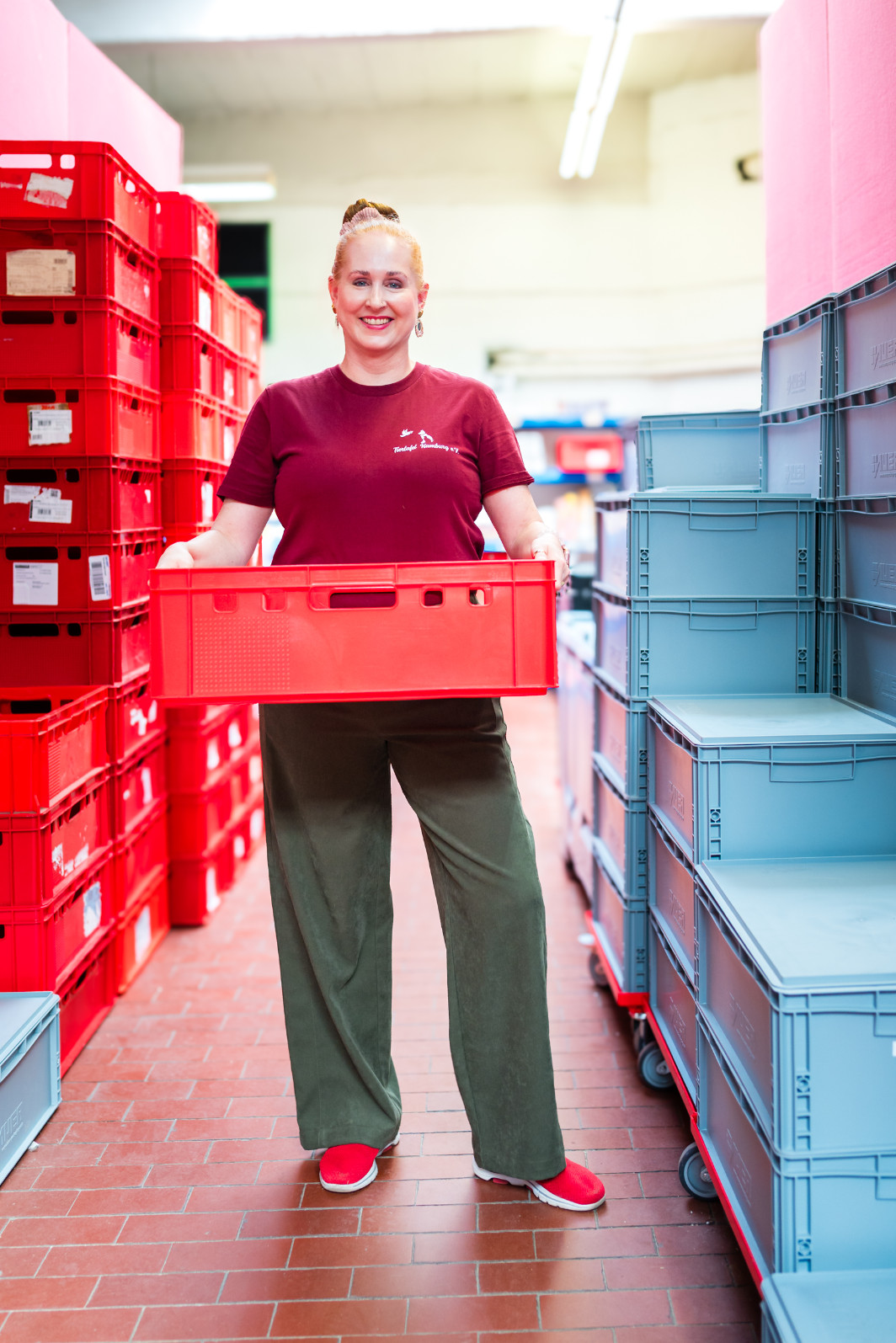
They need help because they are no longer coping financially, but money is not their only challenge. They get that help at the Tiertafel.
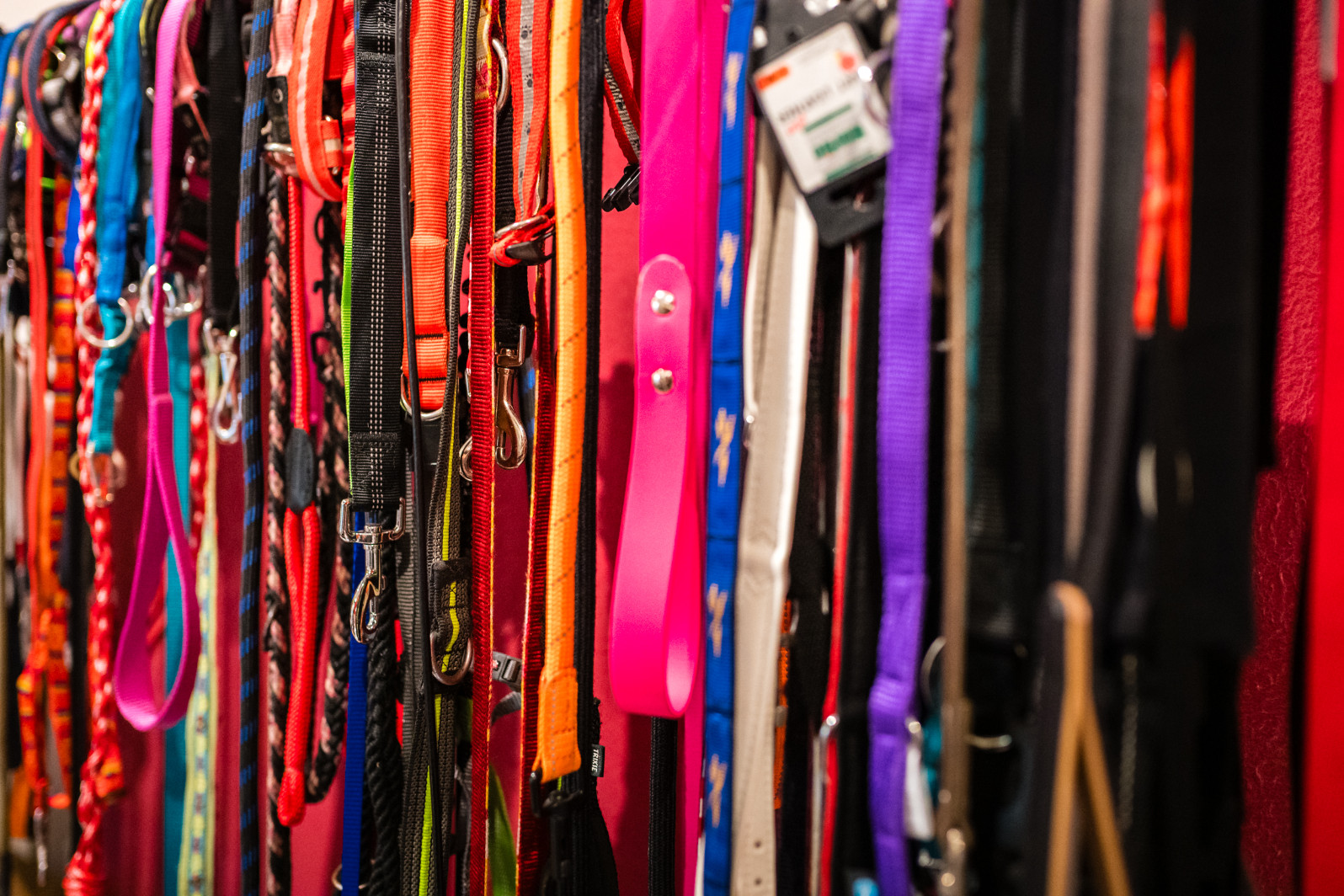
And it is about far more than dry food, wet food, special diets, dog beds, blankets, cat litter and litter boxes, scratching posts, collars, leashes, combs, brushes, bowls, or toys. It is about anything that helps, and sometimes that can be just a word, a gesture, praise, comfort, or attention.
“There is one woman,” Holger says, “who has been coming here for a while. But that day, someone had done her hair. And I said to her, ‘Wow, that looks great!’ And then, you could see it in her face, her whole world lit up. It was only a moment. But she felt seen and appreciated.”
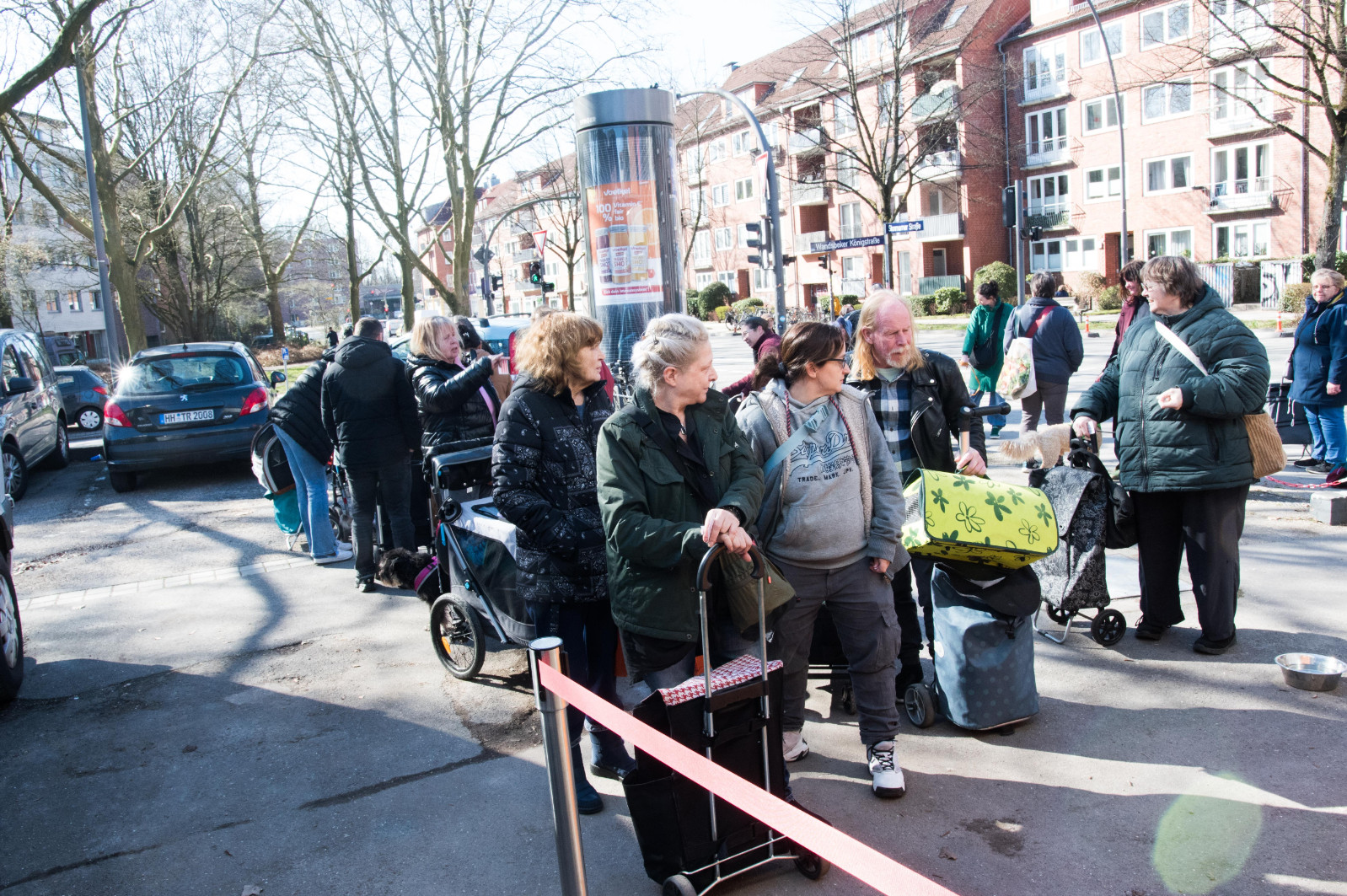
In a program produced by Norddeutscher Rundfunk about Tiertafel Hamburg e.V., a woman standing in line says, “If the Tiertafel didn’t exist, I would have to give up my dog.” She strokes the golden retriever waiting beside her, close to tears. “He is my friend and companion.” Another woman, with two small dogs in her walker, says she lives alone and they mean everything to her. “I would never give them up.”
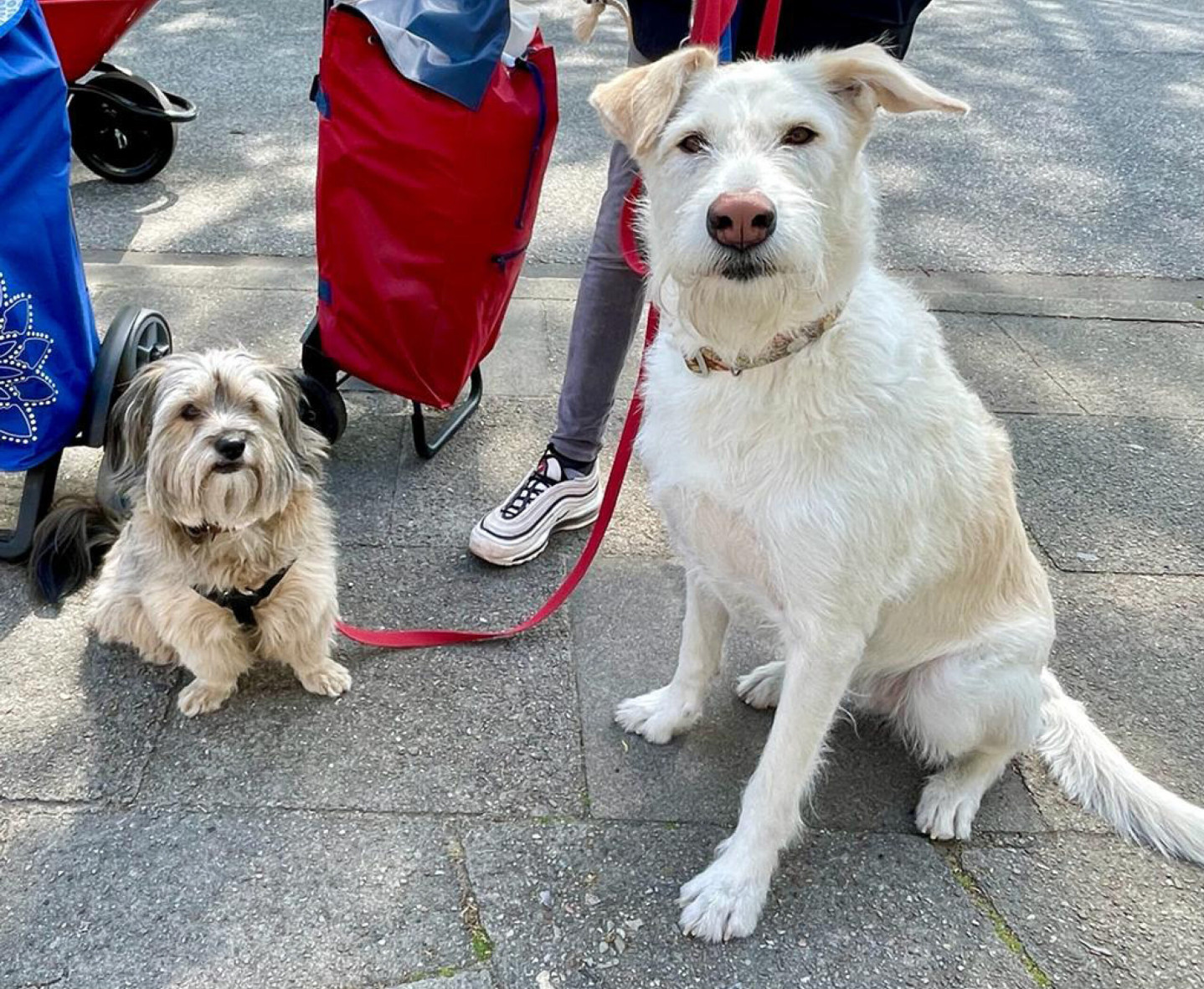
A man waiting with his Labrador says he would cut back on his own food before his dog’s. Kara knows this very well. “You hear that often,” she says. “People only think of themselves once the animal has been taken care of; there simply isn’t enough money anymore. Many have not eaten anything themselves when they come here. That is what we do differently from other pet food banks. Alongside pet food, we also hand out groceries and hot meals.”
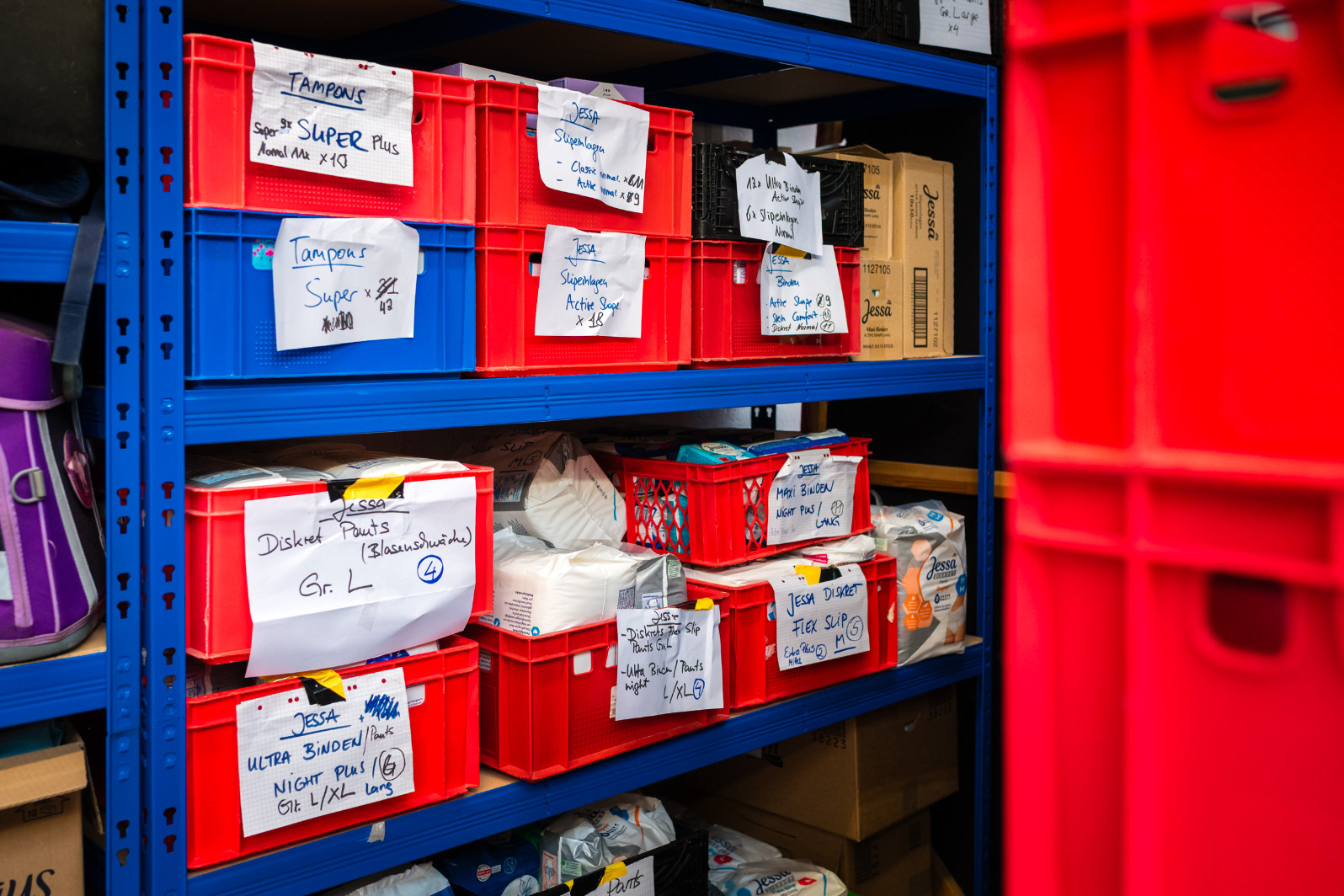
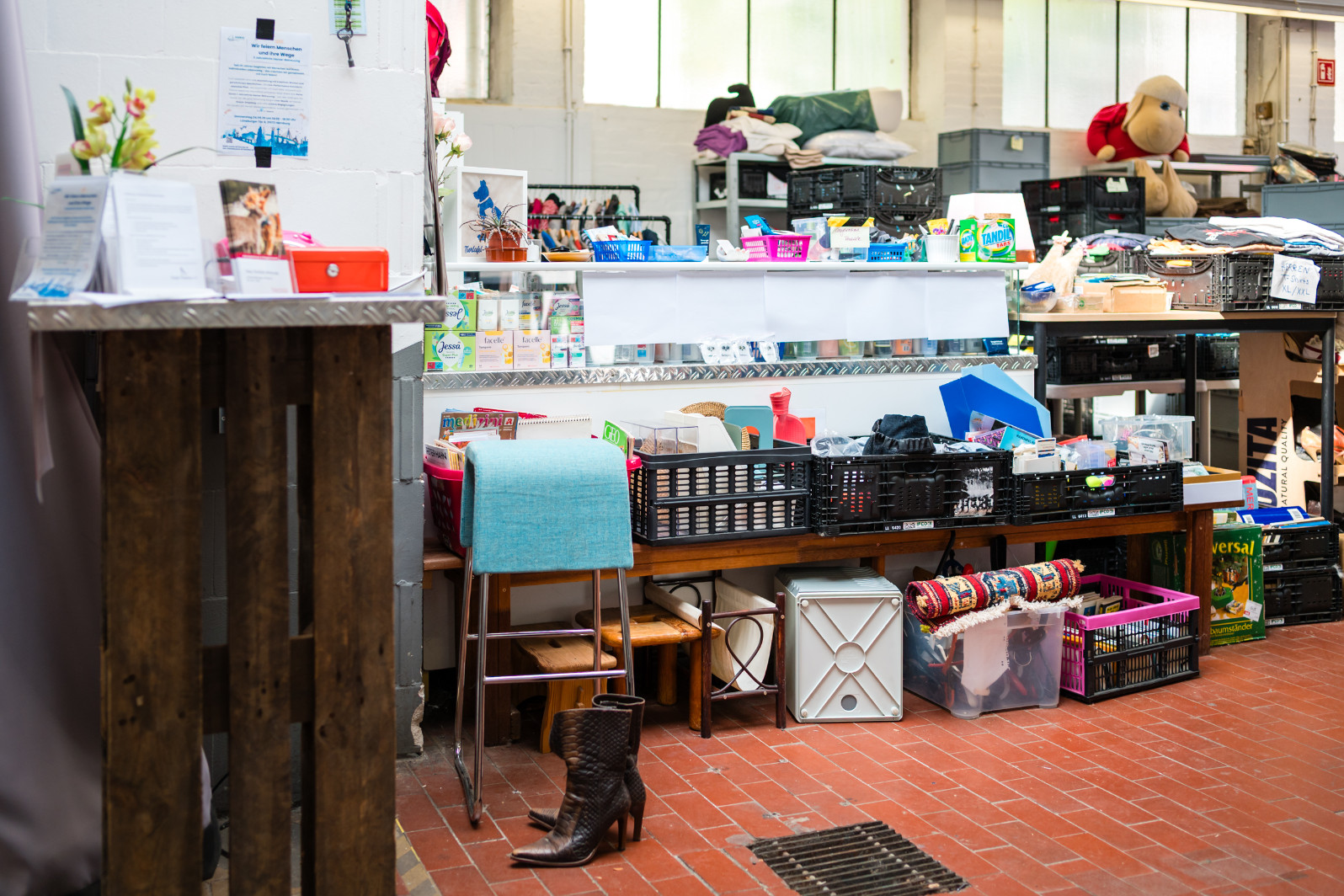
On distribution days, there is enough soup for everyone. Three bakeries donate whatever they did not sell the day before. People are also welcome to take baked goods home with them. One of the counters holds toiletries and household essentials such as shampoo, deodorant, toothpaste, tampons, and laundry detergent. A few warm jackets hang on a clothing rack. Some school bags are lined up on the top of a shelf, and shoes sorted by size. And someone might enjoy a jigsaw puzzle or board game, or need the red hot-water bottle, the small rug, or a sweater.
The needs of the animals and the people are as varied as the animals and people themselves. “There are all sorts of different stories behind why people come to us,” Kara says, describing cases of relationships falling apart, job loss, domestic violence, serious illnesses affecting people or animals, insolvency, as well as other tragic events and emergencies. People are often ashamed of their situation. They do not want others to find out, but they also feel guilty because they can no longer care for their animal properly. “They often wait a long time, too long, before seeking help. We have to make it very clear: if you can no longer manage, please don’t wait. Come to us, because there is nothing wrong with that.”
Of course, Kara acknowledges, they encounter the notion that their help takes away people’s motivation to change things for themselves. “That is how some people see it. But in my opinion, we give them the security they need to finally deal with their own problems again. To take care of their lives, set up appointments, find a therapy spot, go to the doctor, deal with the job center, apply for jobs. To know that their animal is taken care of. At least that fear is gone. The shelf is full, the dog has enough to eat, and now I can take a care of myself too, so that perhaps I can get back on my feet. For my dog and for myself.”
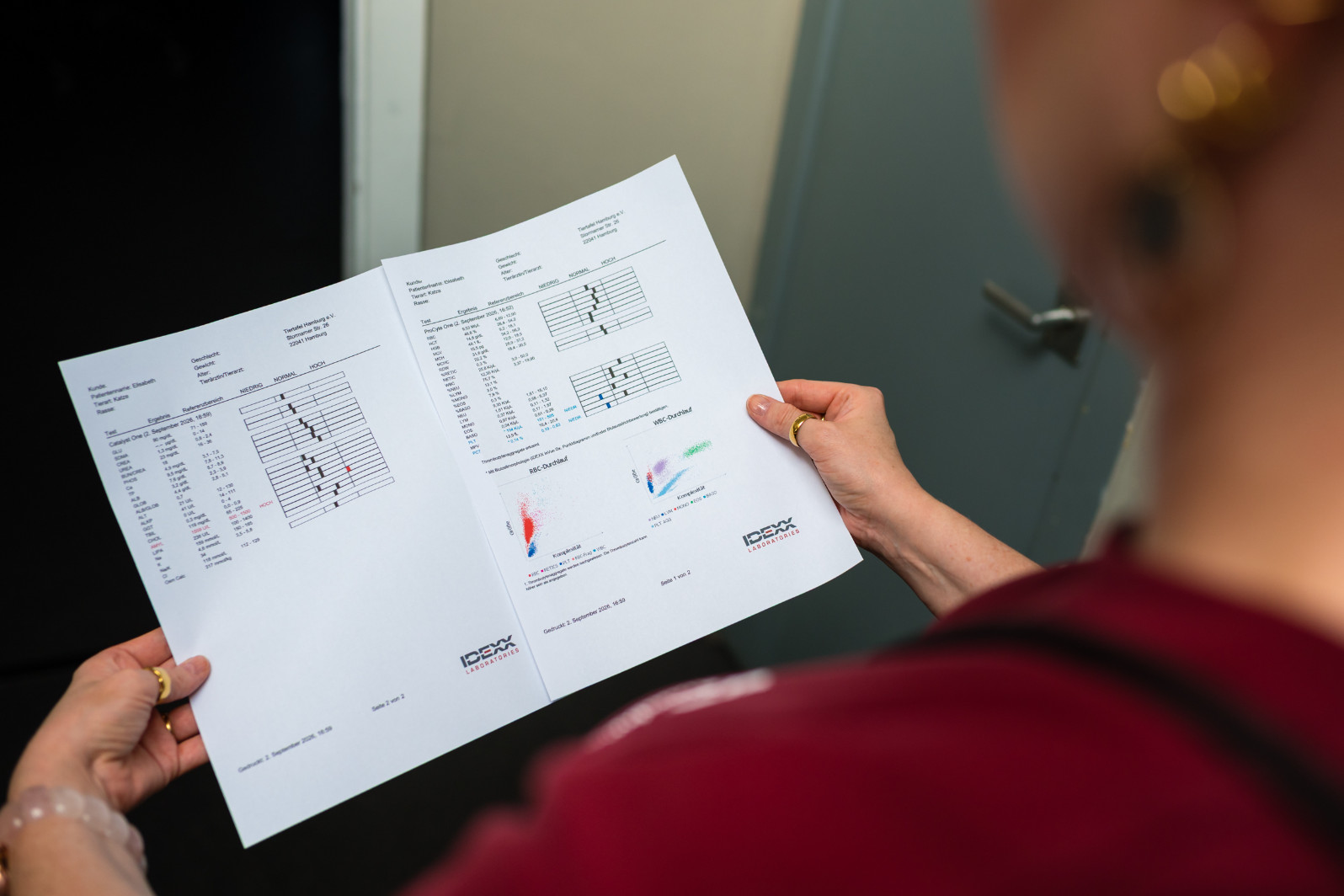
Kara explains that everyone who comes to the Tiertafel’s distribution days has to first demonstrate that they are in financial distress and show that they were already living with their animal before they became reliant on extra support. This important because it is a sticking point for most donors. “And almost everything we offer comes from donations or sponsorships,” says Kara. “Here,” she points out, “our colleague will be standing with a laptop tomorrow, recording everyone who comes in. They all have their own membership cards, which we issue. At registration, we mainly check whether all their animals are still with them, if there are any particular problems, and if anyone needs something specific. For example, if someone wants to see a vet. We also have vets, physical therapists, and psychologists volunteering with us.” There is even a blood analyzer, as well as the opportunity to get help from social workers if, for example, someone doesn’t understand a letter from a public office or doesn’t know how to respond to it.
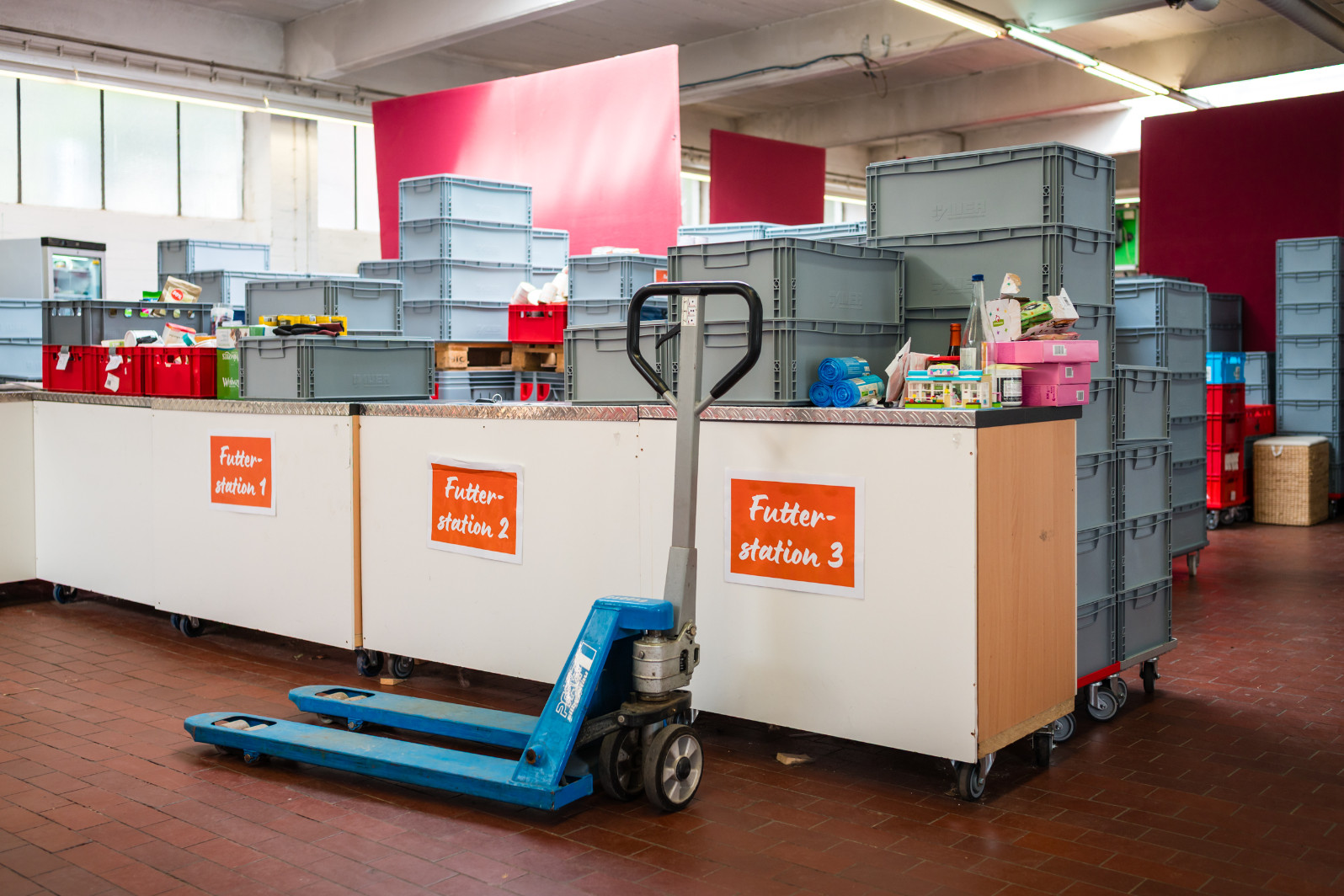
“Right,” Kara says, taking a few steps, “and here will be Martina, with the toiletries and clothes. Martina knows almost everyone who comes here by name. I mostly know the animals’ names and can more or less match their people. But I know practically everything about the animals: Allergies and preferences, whether they like gravy or jelly ... So everyone here has their own particular area of expertise. That is also what’s nice about a Tuesday like today, when we sort donations before distribution. You see that we have something for this animal and that one, that she will be delighted with this variety tomorrow, that I can make him happy with that food, and so on. We keep an eye on things so that, ideally, we have what every animal needs as well as what it enjoys.”
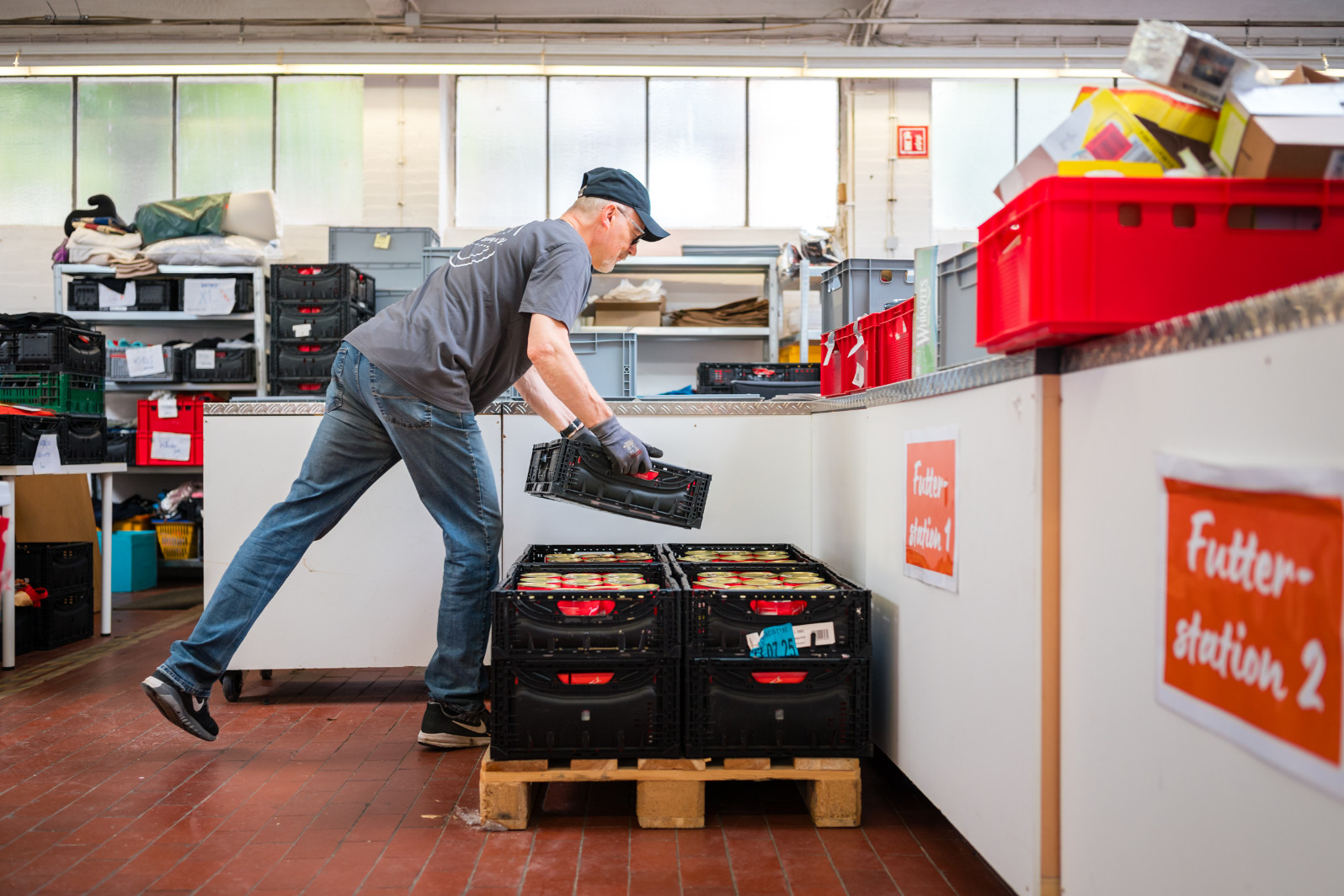
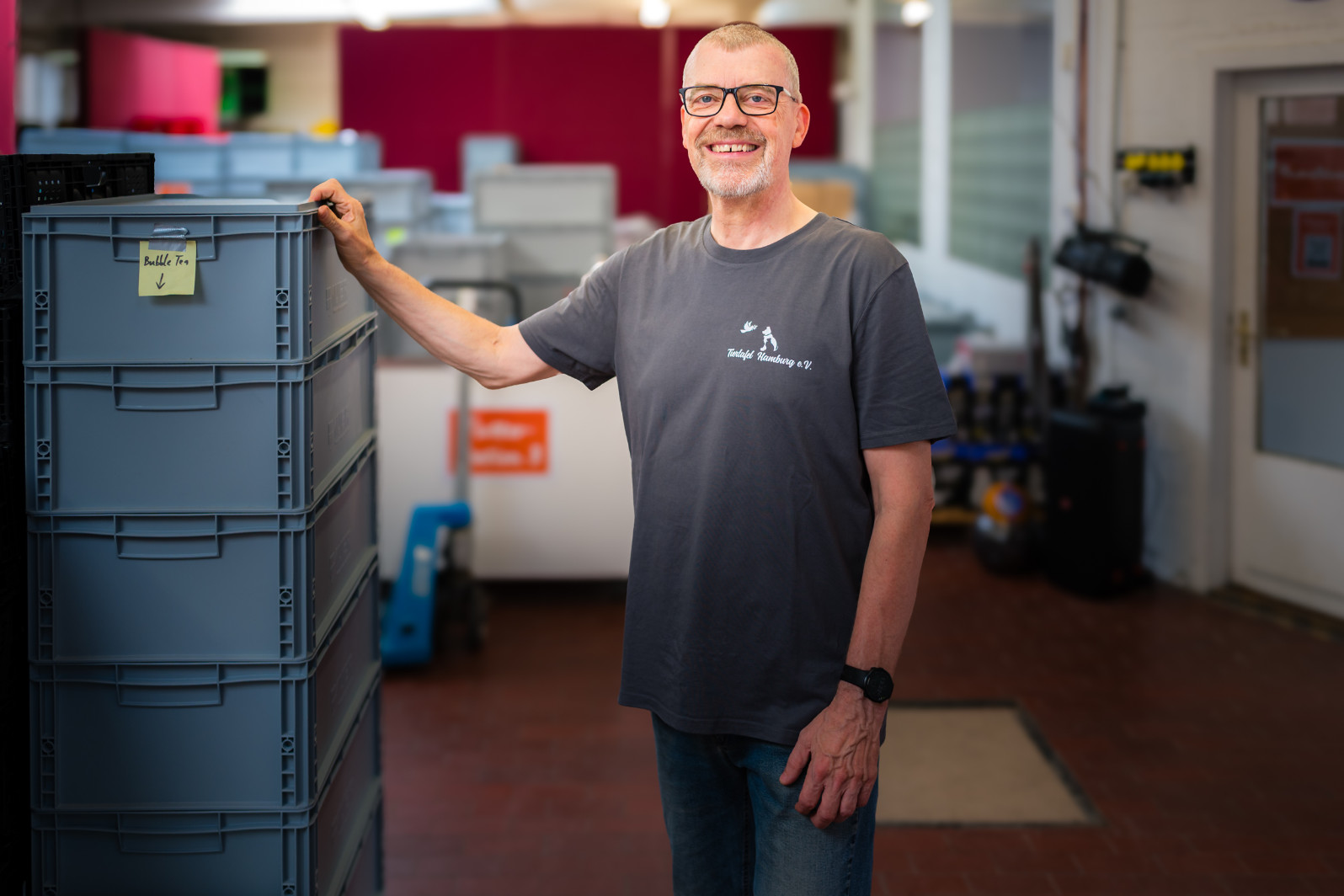
Beside the three people handing out pet food, Holger takes care of the groceries. Right now, he is pushing aside a box full of “Instant Bubble Tea Kit” packs. “Some people say they like it. Others think it is awful.” Earlier, he had arranged and labeled packages of pasta and cans of vegetables, as well as chopped tomatoes. “I put one of everything on the table so people can see what is available. That way, they don’t have to ask. Instead, I can ask them: What would you like? What do you need? How much would you like?”
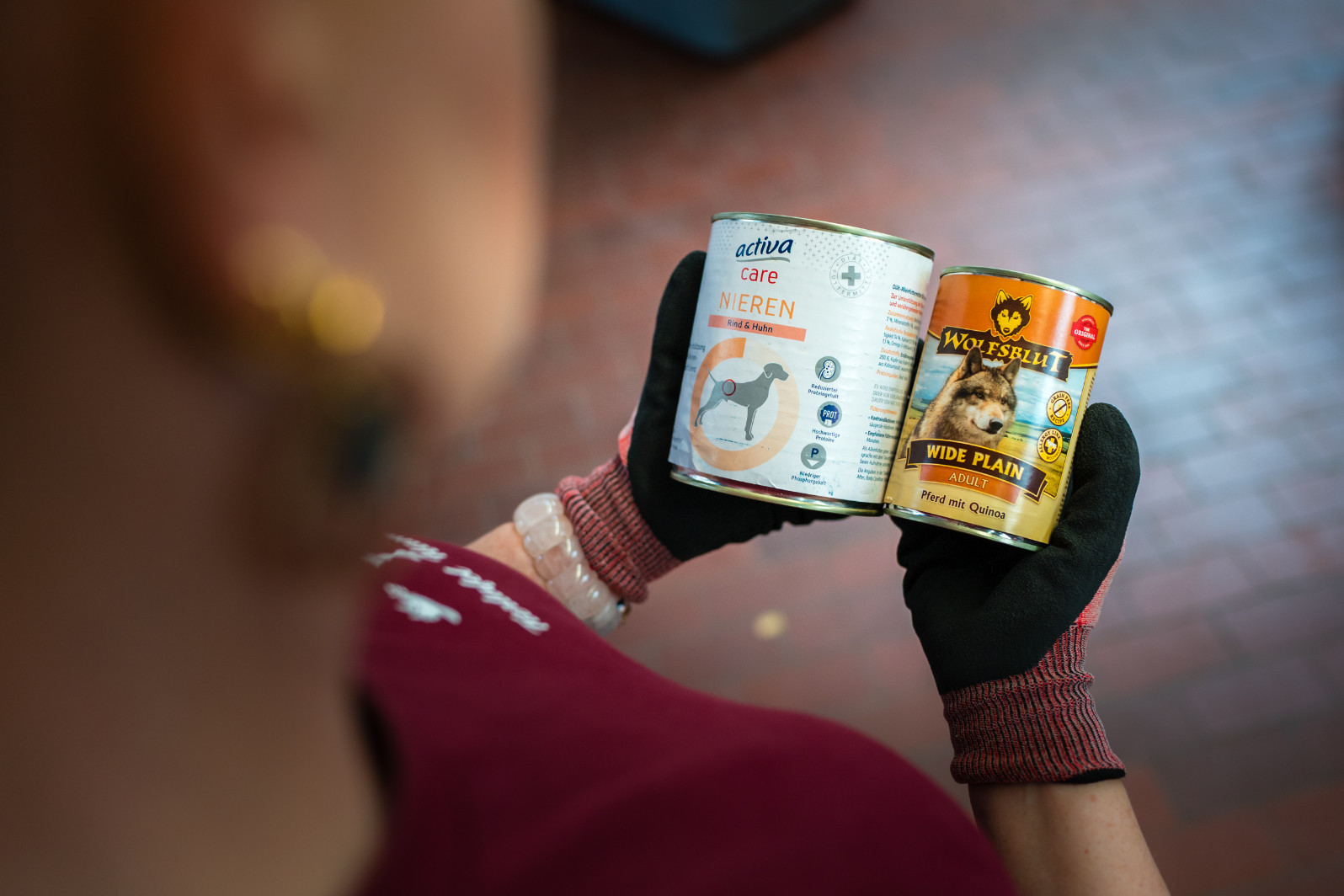
Tomorrow, around 15 to 18 volunteers will help alongside Holger, including children and teenagers doing a school internship at the Tiertafel. They will make sure the wait times don’t get too long, everyone is well taken care of, and there is time and space for conversation and mingling. “There will also be a gazebo in the courtyard with seasonal women’s clothing, chairs to sit on, it’ll get busy out there,” says Kara. “People get to know each other, and we get to know them. Everybody is standing together over a bowl of soup. Our clients and the people providing psychological counseling and social services. It simply takes the tension out of the situation. Otherwise, it can be particularly difficult for people struggling with their mental health, because they already feel so small and inadequate.”
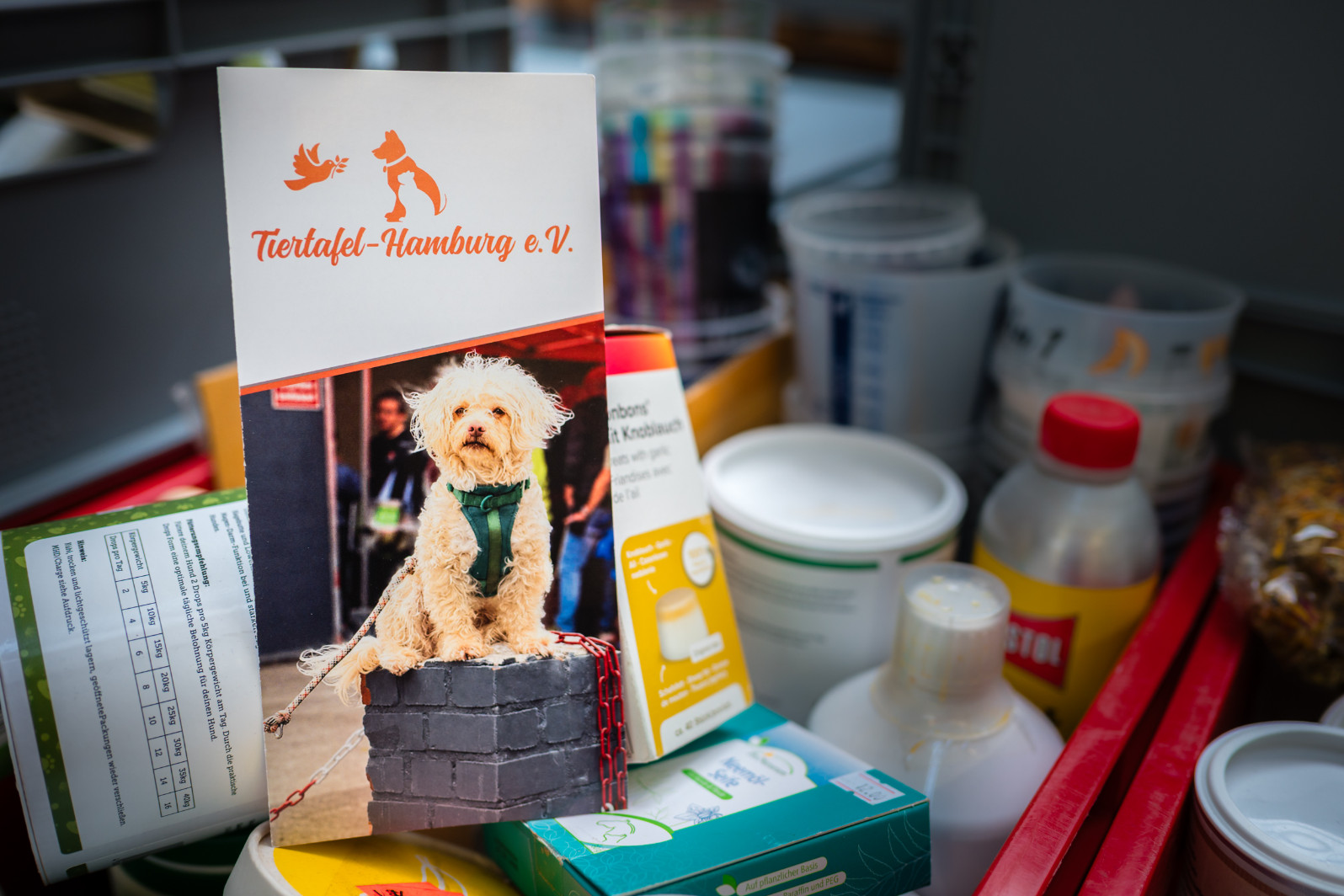
Kara calls appreciation and respect her “great concern” and her motivation. “I grew up with animals,” she explains, “with dogs and cats, and my grandmother was always nursing wild animals back to health. I grew up knowing that animals are part of life, that their well-being matters, and that we should care for them. When people who love their animal just as much as you love yours can no longer care for them the way they used to, when they might even have to part with their best friend because of a tragic event or financial hardship caused by unforeseen circumstances, that moves and grips me as much today as it did the first day. It motivates me to help, so that as many people as possible can be spared that experience.”
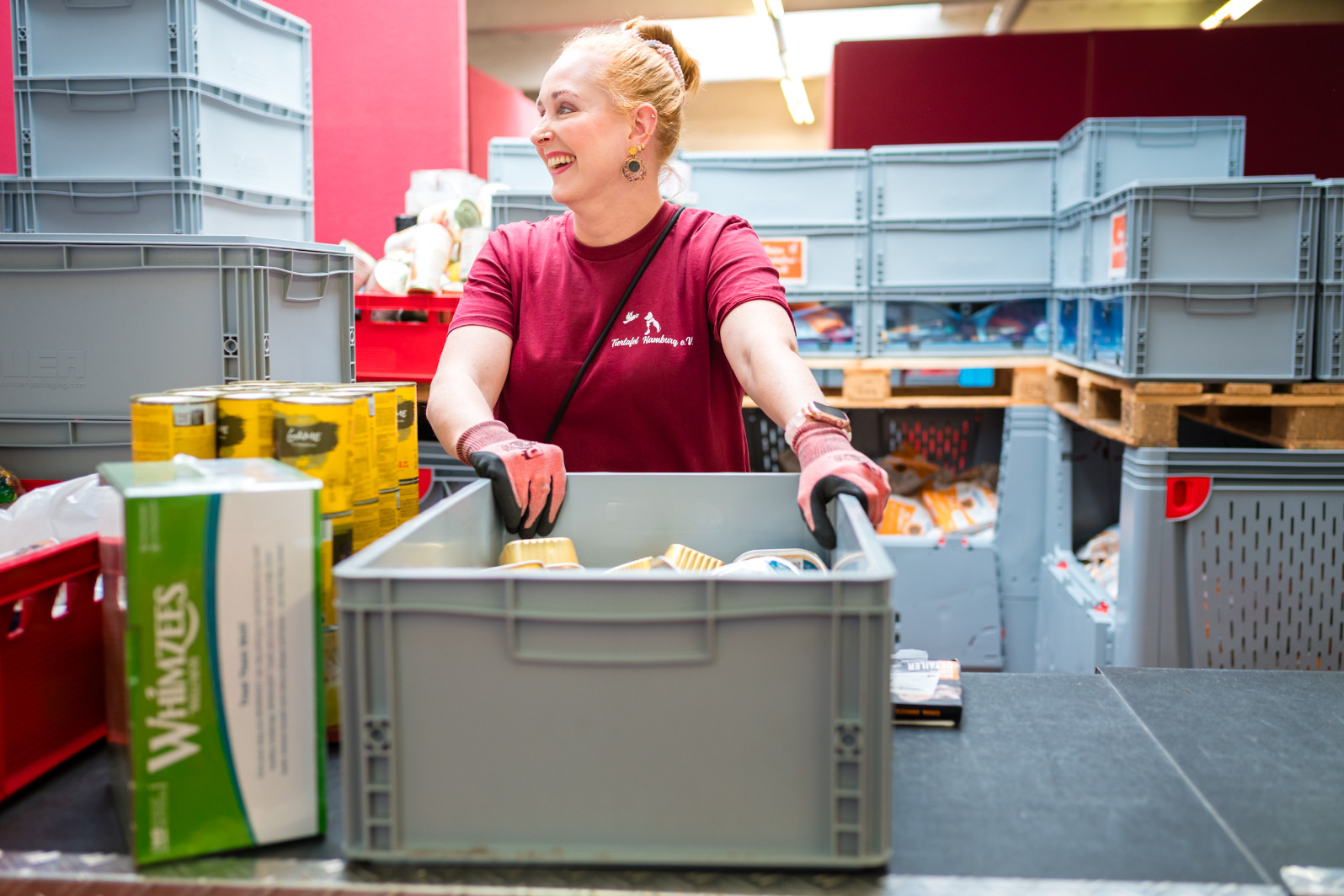
Kara has picked up the next box and continues to sort goods. It will take another two hours or so before everything is ready for the distribution day. Then her desk job awaits: administration, communication, appeals for support, coordination with the city, many emails and phone calls, and preparations for the next distribution dates.
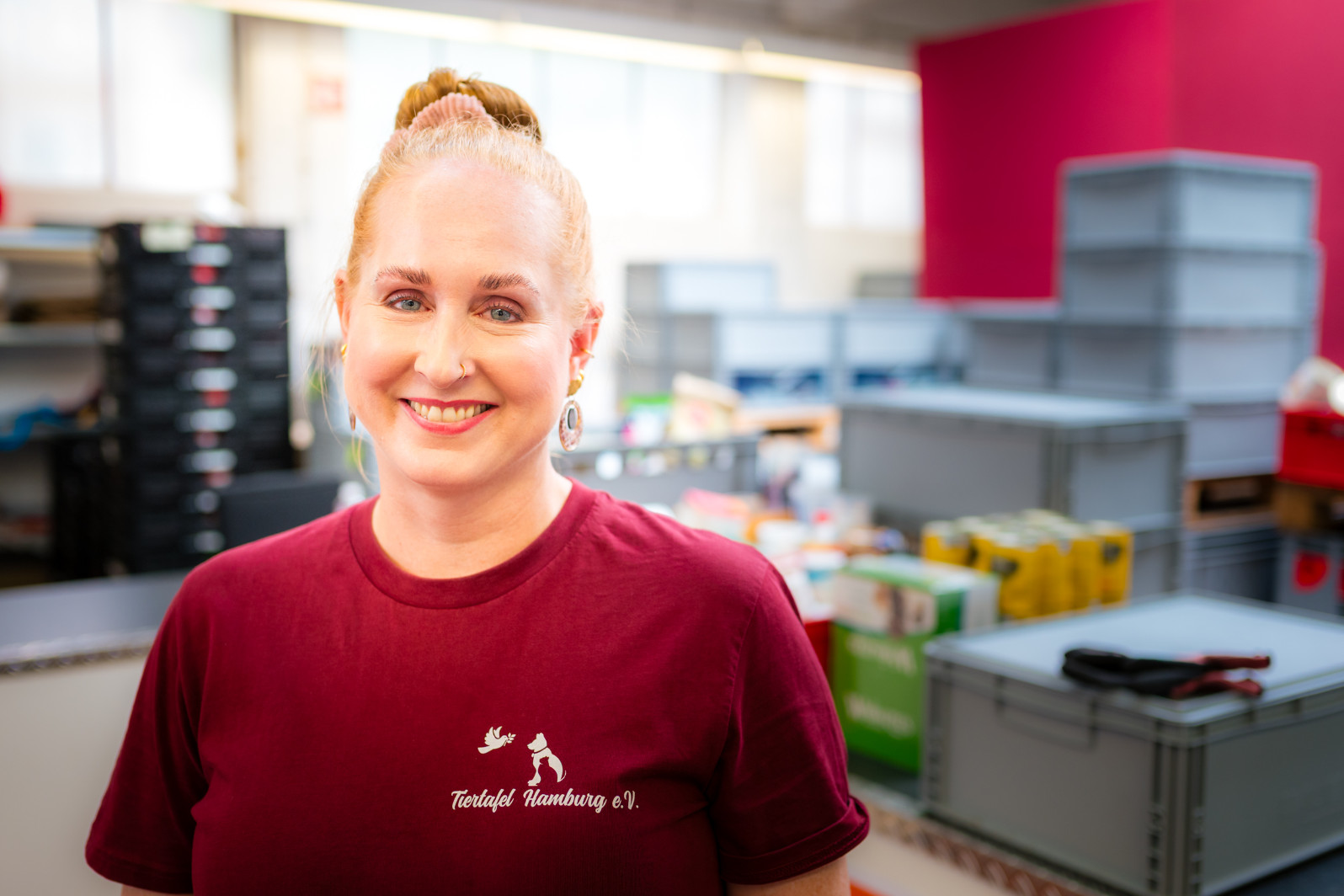
“Right now, it looks like we are well stocked,” says Kara before heading to the office. “But everything we do depends on donations, and we are grateful for any support. By tomorrow evening, after the distribution, things will look very different here. All the boxes at the top will be empty, all the litter will be gone, and there will be no dry dog food left.”
But many people will be able to go home with at least one major worry less. They will be able to go home, knowing that they can continue to be there for their animal, just as their animal is there for them.
*****************************************************************************************
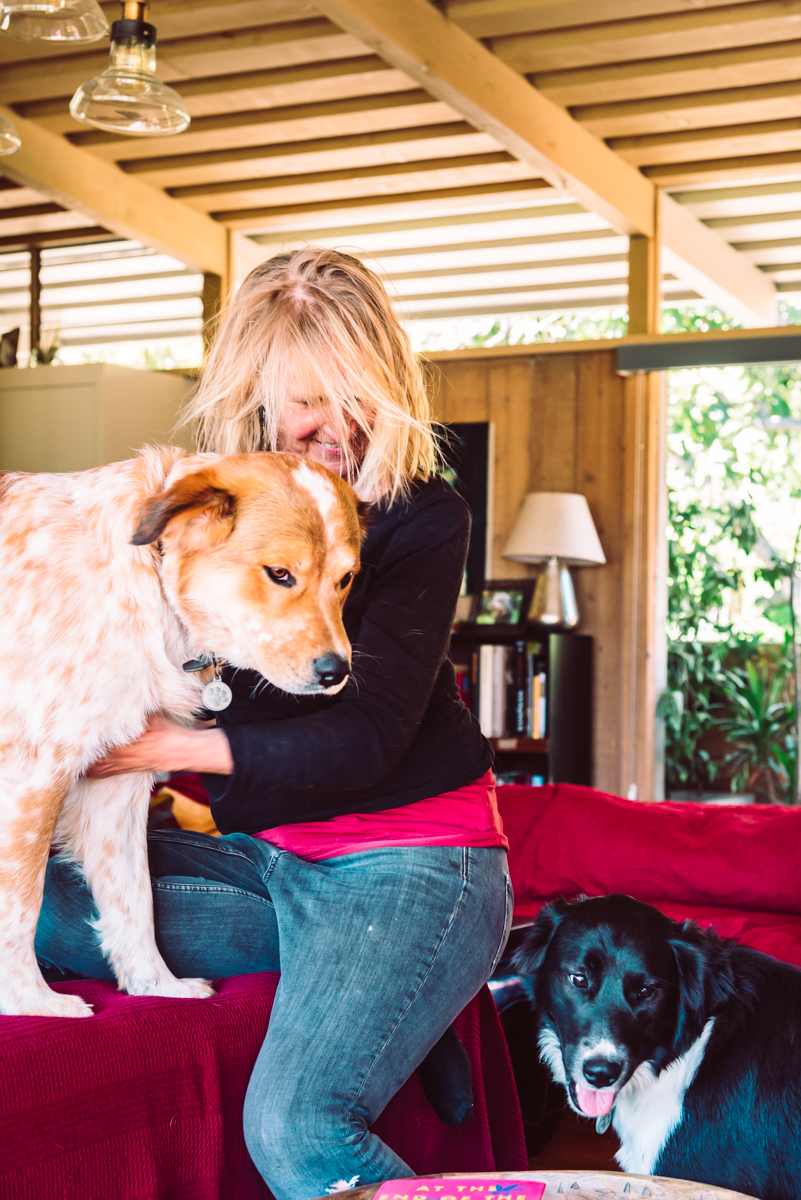
CORNELIA:
“Whenever I read about people losing everything because of a disaster or a war, I immediately think of their children and their despair at seeing their children go hungry. But I also think of the animals they have as companions. How terrible it must be to have no food for a creature you love and that trusts you. This can happen to so many people, every day and everywhere, even without war or an earthquake. The pain is the same. And so is the hunger. How wonderful, then, that initiatives like the Tiertafel exist. Wonderful for the animals and their people!”
No comments
Leave a comment